PHOTO
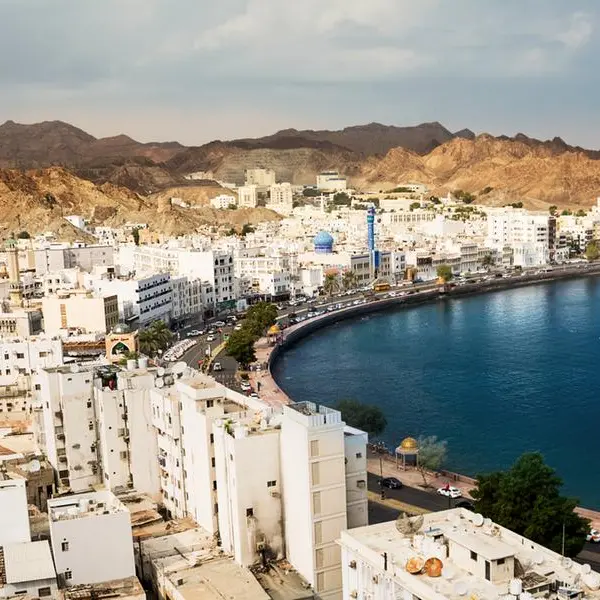
The recent visit of Italian Prime Minister Giorgia Meloni to His Majesty Sultan Haitham bin Tarik in Oman was not merely a bilateral meeting aimed at strengthening ties and expanding cooperation in areas such as trade, investment, industry and tourism, in line with Oman Vision 2040.
It also reinforced a strategic partnership that reflects a deeper alignment of interests and a shared understanding of regional stability as a prerequisite for economic development.
Oman’s foreign policy has long been characterised by a 'constructive neutrality' and a capacity to maintain relations with all Gulf nations. This approach has allowed Muscat to position itself as a unique mediator in a region characterised by delicate geopolitical balances.
For Rome, Oman’s 'constructive neutrality' is not only a diplomatic asset, but also a strategic one: it makes Oman a reliable partner for Italy’s ambitions in the broader Middle East, particularly in the context of emerging trade and logistics corridors.
Meloni’s visit carries additional symbolic weight, being the first foreign leader to be received by His Majesty Sultan Haitham bin Tarik in 2026.
This gesture highlights the level of trust between the two leaders and signals a shared vision on the importance of stability, dialogue and economic cooperation. The visit also stems from Meloni’s participation in the EU–GCC summit held on December 3, in Manama. The summit provided the opportunity for the initial meeting between the Omani leader and the Italian prime minister, and the subsequent visit can be seen as the concrete continuation of that diplomatic encounter.
The broader context in which this visit took place is shaped by the geopolitical turbulence involving Iran and the wider Gulf region. The crisis in Iran and the heightened tensions with the US have implications that go beyond Tehran’s borders. For Italy, and for the European Union more broadly, the challenge is to balance energy security, economic interests and the need to preserve stability in a region that remains central to global trade and energy flows.
In this sense, Oman’s role becomes particularly relevant. Muscat’s ability to maintain channels of dialogue with Tehran, while also engaging with other Gulf partners, marks its role as a strategic node in the regional architecture.
Oman has historically been seen as a country capable of acting as a bridge between competing interests, and this function is increasingly important as the region faces new sources of instability.
The significance of Oman’s geopolitical role is also linked to the growing importance of alternative trade routes and connectivity projects. The Gulf is no longer only an energy-producing region; it is becoming a crossroads for emerging corridors that connect Asia, the Middle East and Europe.
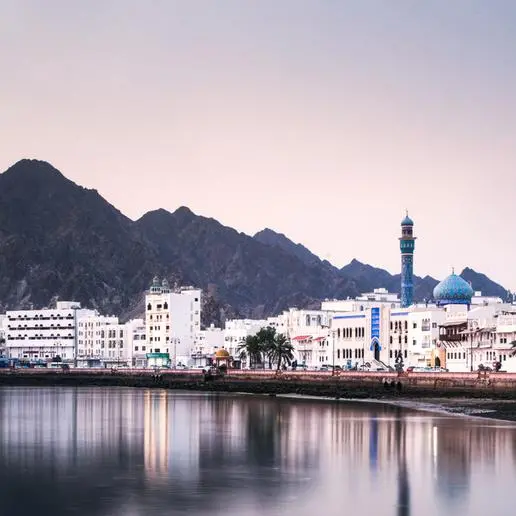
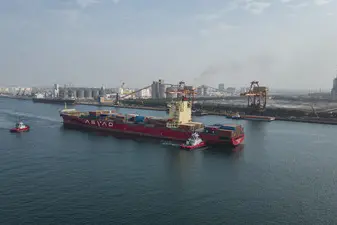
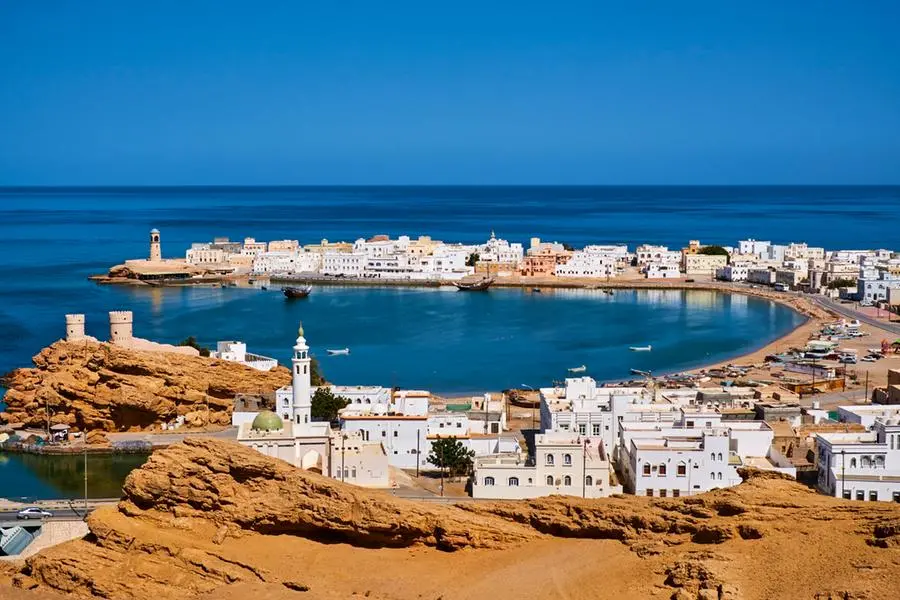
In this context, Oman’s geographic location and its port infrastructure make it a natural hub for the development of maritime and logistics networks that can complement existing routes.
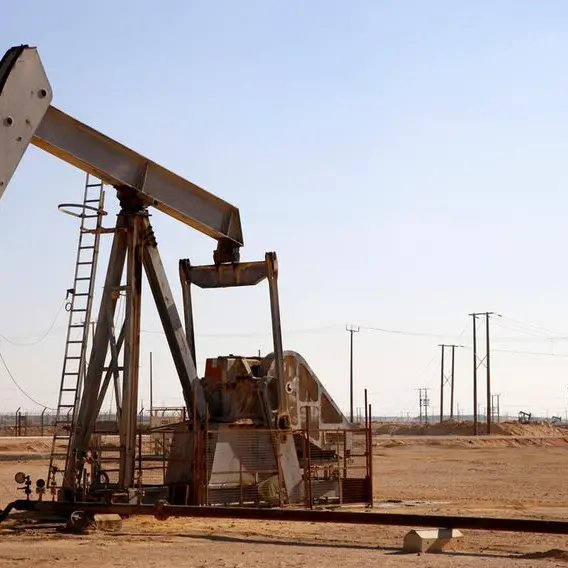
One of the most relevant elements in this evolving landscape is the potential impact of Iran’s crisis on global energy markets and regional logistics. The crisis risks affecting crude oil flows to China at a time when Beijing wants to increase imports of Iranian oil, following the reduction of Venezuelan supplies. China’s search for diversified energy sources is not only an economic necessity but also a strategic choice aimed at reducing vulnerability to geopolitical shocks.
Yet Iran’s role is not limited to energy. It also functions as a key transit country for Central Asia’s access to the Indian Ocean. The port of Chabahar, in southeastern Iran, represents one of the few alternatives to routes controlled by Russia or dominated by Chinese corridors. India has invested heavily in Chabahar to develop it as a commercial hub, bypassing Pakistan and strengthening connections with Central Asia. The development of Chabahar is therefore a strategic attempt to create a corridor that can diversify the region’s trade routes and reduce dependency.
An unstable Iran may constrain the effective use of its transit corridors, narrowing Central Asia’s options for maritime trade and increasing the region’s dependence on other actors, including China. In this scenario, Oman’s neutrality and ability to maintain open channels of communication become even more significant, as it could offer alternative pathways for regional cooperation and connectivity.
The meeting between Prime Minister Meloni and His Majesty Sultan Haitham bin Tarik took place within this broader strategic context, where security is also economic and maritime. Italy’s emerging Indo-Mediterranean vision, which seeks to strengthen links between Europe, the Mediterranean and the Indo-Pacific, aligns with Oman’s long-standing role as a mediator and a gateway for regional connectivity. Together, these elements form a strategic chain linking the Mediterranean to the Indo-Pacific, without calling into question the Euro-Atlantic framework.
The visit is part of a wider repositioning of Italy in the Gulf, reflecting the growing recognition that the region’s stability is not only a local issue but a global one. For Rome, Oman is not only a partner in bilateral cooperation but also a strategic ally in a region where geopolitical balances are being reshaped by new economic corridors and energy transitions.
Muscat is not simply a stop on a diplomatic tour; it is a strategic gateway that links the Mediterranean to the Indo-Pacific, and a partner whose quiet influence may be decisive.
2026 © All right reserved for Oman Establishment for Press, Publication and Advertising (OEPPA) Provided by SyndiGate Media Inc. (Syndigate.info).