PHOTO
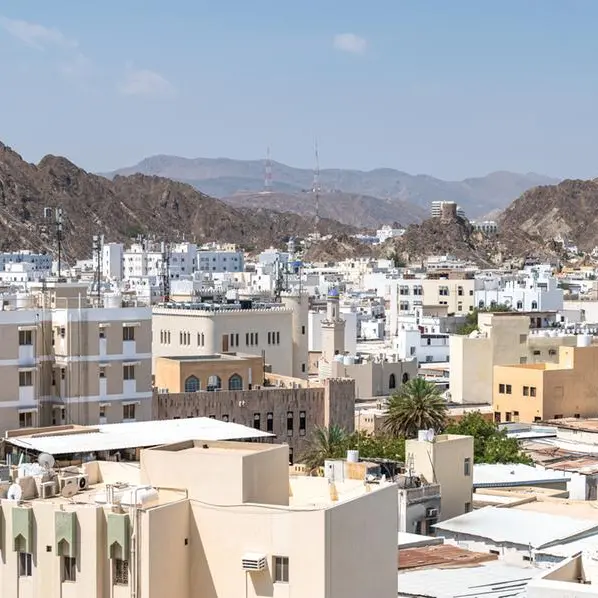
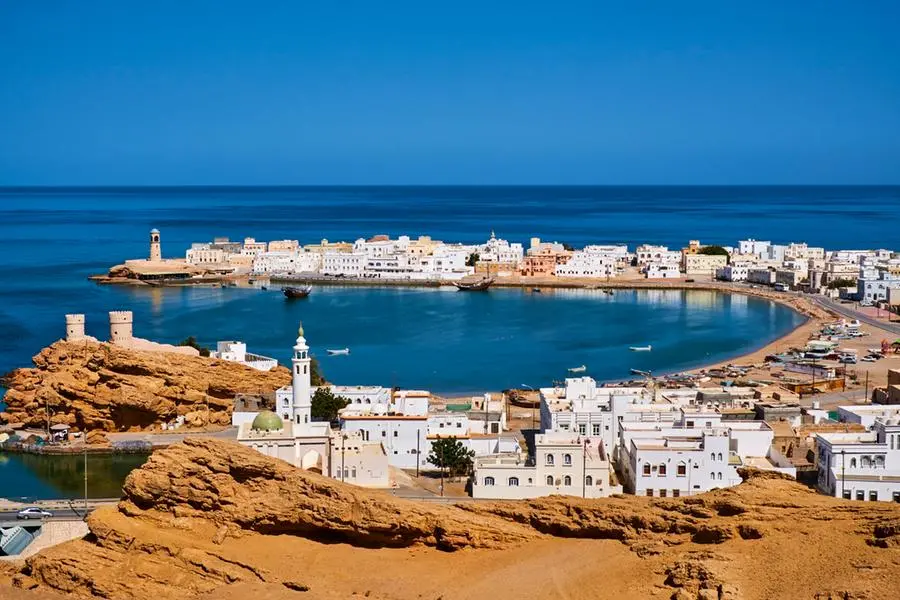
For centuries, Omani merchants linked East Africa, the Gulf and India through routes built on trust, safe passage and practical deal‑making.
Oman’s identity was shaped by trade long before modern borders and balance sheets. For centuries, Omani merchants linked East Africa, the Gulf and India through routes built on trust, safe passage and practical deal‑making. That legacy is not nostalgia; it is strategic capital — especially now, as the world shifts from “cheapest wins” to “most reliable wins”.
Globalisation is being rewritten by geopolitics. Tariffs, sanctions and shipping disruptions now shape supply chains as much as price. Companies ask hard questions: Will a tariff appear overnight? Will a payment be blocked? Will my customer reject my origin documents? The winners will be places that can still connect markets — legally, predictably and fast.
The Strait of Hormuz is the most sensitive chokepoint: roughly 20–30% of global oil trade; and about 20% and about 20% of global LNG trade pass through a channel around 21 miles wide at its narrowest point. When tensions rise, costs rise — insurance, freight rates, lead times and commodity prices.
China–India: In FY 2024–25, India imported $113.45 billion from China and exported only $14.25 billion — leaving a deficit near $99.2 billion. That gap reflects India’s demand for machinery, electronics, chemicals and components; and it will keep driving supply‑chain redesign.
China–US: US goods imports from China were $438.7 billion in 2024. Even after years of tariffs and “de‑risking” rhetoric, the volume remains huge. This is the trade‑war paradox: politics says decouple, but business keeps moving — often by shifting value addition and origin to third locations.
Russia enters the equation: China–Russia trade reached about $244.8 billion in 2024, while India–Russia trade in 2023–24 amounted to about $65.69 billion. Sanctions risk, payment frictions and documentation demands are pushing firms towards predictable platforms that can intermediate, transform and certify.
Regionally, Saudi Arabia is a major gravity well. India’s imports from Saudi Arabia reached about $31.42 billion in FY 2023–24. China imported about $57.53 billion from Saudi Arabia in 2024 (largely fuels).
Oman can become the “compliance relay” of this new map: a place where Chinese suppliers can serve Indian demand without forcing Indian buyers into fragile single‑source risk; where Indian manufacturers can scale into the US with cleaner origin outcomes; and where Russia‑linked commodities and inputs can be processed, packaged and documented with transparency.
For centuries, Omani merchants linked East Africa, the Gulf and India through routes built on trust, safe passage and practical deal‑making.
The Oman play is not to be a parking lot for containers. It is to be a neutral, rules‑based manufacturing and logistics platform — a “station” where value is added legitimately so goods qualify under trade agreements and can be sold across competing blocs with lower friction.
That platform logic depends on two corridors.
First, the US–Oman Free Trade Agreement (in force since 1 January 2009) provides preferential access for qualifying goods. A central lever is the rule‑of‑origin threshold often stated as 35% value content: a meaningful share of a product’s appraised value must be added in Oman through manufacturing activity, labour, overheads and qualifying inputs. This is how “trade hub” becomes factories, skills and jobs.
Second, the India–Oman CEPA, signed on December 18, 2025, expands the corridor logic at exactly the moment India is widening its trade options. Reported deal terms indicate Oman will provide zero‑duty access on over 98% of its tariff lines, while India will cut tariffs on about 78% of its tariff lines, covering nearly 95% of imports from Oman by value. Annual India–Oman trade already exceeds $10 billion.
With these two corridors, Oman can offer a rare proposition: manufacture‑to‑qualify—serving India and the US from one base. In simple terms: bring inputs, add value in Oman and export with preferential access — backed by documentation buyers, banks and customs trust.
Oman has the physical ingredients to make it real. The Empty Quarter crossing is designed for roughly 966 trucks per day and can move cargo from Al Duqm or Suhar into major Saudi demand centres in about 24–48 hours. Hafeet Rail is under construction, with testing and commissioning expected in early 2026. Salalah’s sea‑air model can cut transit time by 20–40% versus routing around the Cape of Good Hope, while saving 10–20% versus pure air freight for suitable cargo.
But infrastructure alone does not create a platform. Execution does — especially the “first 100 days” of an investor’s experience.
First, make compliance a national service. Establish an Origin & Compliance Centre (public–private) that advises by HS code, validates 35% value‑content calculations and trains firms to document substantial transformation — supported by digital traceability so audits become routine, not disruptive.
Second, build investor‑ready capacity at speed. Develop build‑to‑lease factories and “ready‑to‑operate” industrial districts with pre‑zoned land, plug‑and‑play utilities and fast licensing. Partner with experienced developers and link incentives to performance — jobs, export volume and local supplier development.
Third, upgrade customs into a trusted‑trader system: risk‑based inspection, guaranteed clearance times for compliant manufacturers and end‑to‑end digital documentation (“origin passports”). In a trade‑war world, speed plus certainty is worth more than a marginal tax break.
Finally, focus on winnable clusters where rules of origin and logistics both work: electronics and appliance assembly, auto components, packaging materials, specialty chemicals, pharmaceuticals and food processing. These are practical sectors where Oman can assemble, test, certify and package — creating the 35–40% value addition that turns transit into wages, SMEs and durable capability.
Oman has done this before, in the language of the sea: trust, neutrality and connection. The opportunity now is to do it again in modern form — turning trade pacts into industrial depth and turning geopolitical volatility into a new, investable chapter of Oman’s trade‑hub legacy.
2026 © All right reserved for Oman Establishment for Press, Publication and Advertising (OEPPA) Provided by SyndiGate Media Inc. (Syndigate.info).