PHOTO
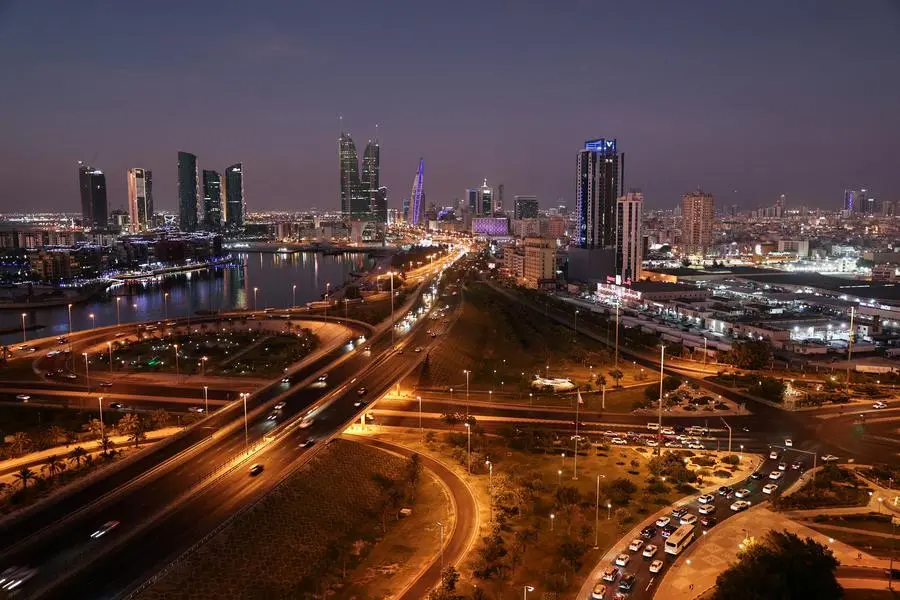
Bahrain announced several fiscal reform measures on Monday, including raising fuel prices, higher tariffs on electricity and water, and increased dividends from state owned-companies, as well as other fees and taxes.
Among the Gulf's smaller oil producers, Bahrain has accelerated efforts to diversify its economy away from hydrocarbons into areas such as tourism, financial services and logistics, but lower oil prices have weighed on growth and public finances.
Bahrain also plans to raise natural gas prices for businesses and cut administrative government expenditure by 20%, and introduce a new law on corporate income tax for local companies, a government statement said.
It did not specify when the new measures would take effect or give further details.
Ratings agency S&P Global downgraded Bahrain's sovereign credit rating to "B" from "B+" in November based on rising government debt, adding further pressure on the government's interest burden. It projected a wider fiscal deficit of 7.6% of GDP in 2025 from a previous forecast of 7.1%.
The government has raised $5 billion from global debt markets this year, tapping into healthy investor appetite for its debt, especially for Islamic bonds, or sukuk.
Bahrain's government and parliament, the Council of Representatives, held several meetings to discuss measures to support the state's public finances, the parliamentary speaker said in a separate statement dated December 28, noting some differences over the mechanism for applying electricity and water services.
(Reporting by Maha El Dahan and Nayera Abdallah; Writing by Rachna Uppal; Editing by Alison Williams and Chizu Nomiyama )