PHOTO
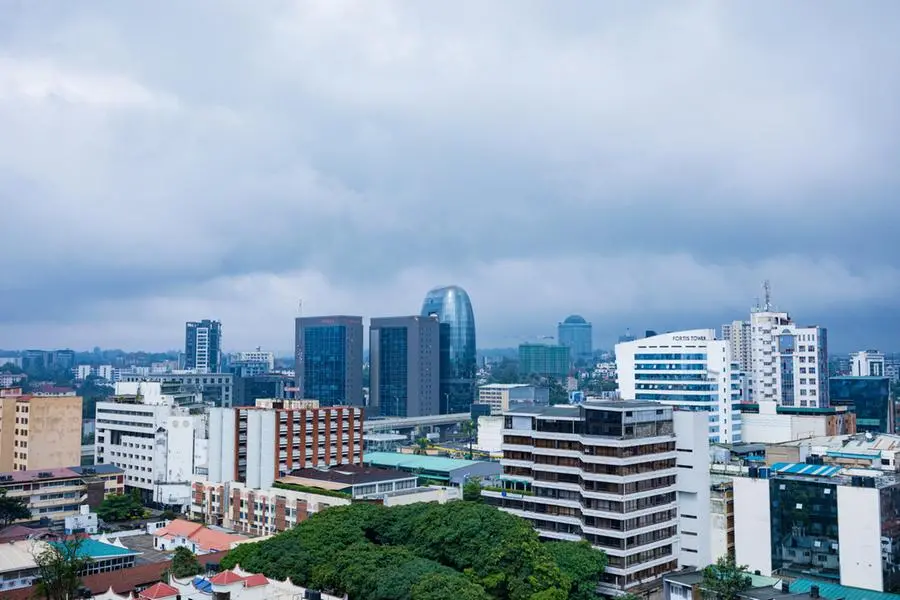
NAIROBI - The Nature Conservancy, a U.S.-headquartered global environment group, is in talks with three African nations over a combined $500 million worth of financing deals to protect key ecosystems on the continent, its regional Africa head told Reuters.
So-called Project Finance for Permanence (PFP) deals are used as one of the ways to help poorer countries fund conservation. They can focus on coral reefs to rainforests and provide low cost funding in return for commitments from the governments involved.
"We have the projects on the table that we are working on with three different countries... we are looking at upwards of $500 million (in total)," Ademola Ajagbe, TNC's regional managing director for Africa, told Reuters in an interview in the Kenyan capital, adding that one deal was likely to be closed this year and another two in 2027.
PRESSURE ON FINANCING
Ajagbe didn't elaborate on how the U.S. pullback from financing environmental work impacted the group in Africa, but stressed that demand for funding for environmental projects was still increasing.
"There are a multiplicity of factors limiting Africa putting money on the table to protect its natural assets," he said. "Part of the problem is because the cost of capital is rising, meaning we are at a very disadvantaged position."
The eruption of the war in Iran has sent global borrowing costs surging, potentially curbing market access for debt-strained African countries but also boosting the appeal of other climate financing vehicles such as debt for nature swaps as falling bond prices make it cheaper to buy back debt.
The continent, which has been buffeted by landslides, floods and droughts since last year, receives just 1% of the annual global climate financing, government officials say.
The likes of Kenya and Zambia, where TNC has long-standing programmes, have seen many key sectors such as tourism, food production and hydroelectric power generation hit by climate change.
In addition, wider geopolitical tensions were affecting the provision of climate finance for Africa by Western donor nations, Ajagbe said.
"There has also been reallocation of development assistance from conservation, developmental causes to issues around defence."
He said Gabon, which saw a military coup just weeks after it secured its debt swap in 2023, was sticking to its commitments under that deal despite political upheaval.
Discussions are also underway about additional financing which would go beyond ocean conservation, the focus of the 2023 debt swap. Over 85% of Gabon is covered by rainforest.
"The current government as we speak, are honouring the commitment made by the previous administration," Ajagbe said. "We are looking at ocean, forests, and freshwater. So it's a broader scope, it's a bigger overarching vision."