PHOTO
JOHANNESBURG - South Africa remains on track to meet its fiscal targets despite the conflict in the Middle East, its National Treasury said on Tuesday, adding it wanted to demonstrate its credibility by meeting its objectives even at times of stress.
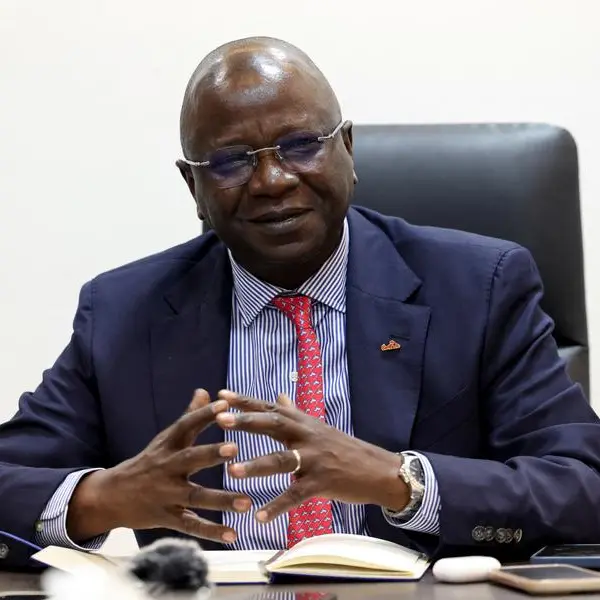
Below are reasons why Treasury Director-General Duncan Pieterse thinks the Iran war will not derail South Africa's fiscal trajectory. He was speaking at a Citi emerging markets conference.
Recent fiscal outcomes have beaten forecasts: South Africa achieved a third consecutive primary surplus for the fiscal year to end-March, of 1.1% of gross domestic product (GDP) against a budget estimate of 0.9%.
Relief measures rolled out in response to the Iran war are designed to be fiscally-neutral: Fuel levy relief from April to June will cost 17.2 billion rand ($1.06 billion), but this will be funded by the fiscal outperformance from the previous year.
There are near-term buffers: before the war economic growth was improving, the current account was balanced, the rand was on a solid footing and bond yields were compressed.
Expenditure is largely insulated from higher inflation: the public sector wage bill accounts for almost one-third of spending over the medium term, but there is a wage deal in place until the 2027/28 fiscal year.
Debt dynamics have structurally improved: debt is expected to have peaked in 2025/26 and to decrease to 76.5% of GDP by 2028/29.
The finances of state-owned companies are turning around, reducing the risk of further calls for fiscal support. One of the biggest drains has been power utility Eskom, but it is on course for its second consecutive full-year profit. Eskom last implemented electricity blackouts over a year ago.
($1 = 16.1892 rand)