PHOTO
Nigeria, Angola, and Congo-Brazzaville are among the African economies deemed less vulnerable to the economic repercussions of the ongoing conflict in the Middle East, according to a recent report by S&P Global Ratings.
The report, titled “African Sovereign Ratings: Assessing Exposures to the Middle East Conflict,” indicates that African nations generally have limited direct ties to the region and began 2026 with stronger foreign-exchange reserve buffers than in previous years. It also points out that government financing costs were at multi-year lows at the year’s start, helping to mitigate the effects of external shocks.
S&P noted that Nigeria and other net oil exporters on the continent might be better insulated, due to potential gains from higher crude oil prices. Morocco was also identified as being less exposed, owing to its robust foreign currency reserves.
However, the agency cautioned that the broader risk to African economies is likely to increase if disruptions continue. It highlighted that most sovereigns in the region remain net importers of oil, fuel, and fertilizers, making them susceptible to rising import costs, inflationary pressures, and weakened fiscal positions.
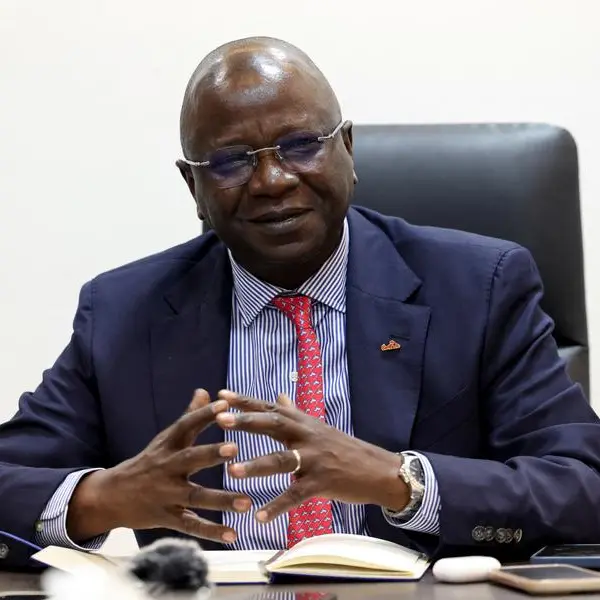
Credit analyst, Leon Bezuidenhout, stated that elevated fuel and fertilizer costs would intensify inflation and external financing pressures on African governments, potentially leading to negative credit ratings. He mentioned that while some countries possess existing fertilizer stocks that could provide temporary relief, sustained price increases would pose medium-term risks to agriculture, food production, and household budgets.
The report identified Egypt, Mozambique, and Rwanda as among the countries most exposed to the crisis. Nevertheless, Egypt’s large domestic capital market and Rwanda’s access to concessional debt offer some mitigating factors.
S&P indicated that its outlook for sovereign credit in Africa had been positive at the beginning of 2026, following two years of rating improvements across the continent. However, the ongoing conflict in the Middle East has dampened that optimism.
The agency reported that Brent crude prices had surged by approximately 50 percent since the start of the year, raising refinancing costs and exacerbating import bills for many African economies. It now projects oil prices to average $85 per barrel for the remainder of 2026.
For Nigeria specifically, the report noted that the country stands to benefit more than some of its peers due to rising domestic refining capacity, particularly through the Dangote Refinery, which is Africa’s largest, with a capacity of 650,000 barrels per day.
This refinery could help alleviate regional fuel supply pressures, although constraints on domestic crude supply remain a challenge.
S&P further observed that Africa’s reserve buffers are more robust than in past crises. Approximately half of rated African sovereigns had stronger reserve coverage at the end of 2025 compared to their average levels over the previous decade. On average, usable reserves currently cover around three months of current account payments.
Despite this, the ratings agency warned that reserves might begin to diminish if current account balances deteriorate further, particularly for oil-importing countries. S&P’s base case assumes that the conflict will peak and that the Strait of Hormuz will gradually reopen, although disruptions may linger for months. A renewed escalation or prolonged war would pose a greater threat to African nations and the global economy.
Copyright © 2026 Nigerian Tribune Provided by SyndiGate Media Inc. (Syndigate.info).