PHOTO
The conflict in the Middle East is likely to prolong food shortages in East Africa, driven by disrupted global fertiliser, fuel and shipping schedules, particularly through the Strait of Hormuz.
The six‑week‑old Iran–Israel–US war is already influencing planting decisions for upcoming seasons, according to charity group Mercy Corps.
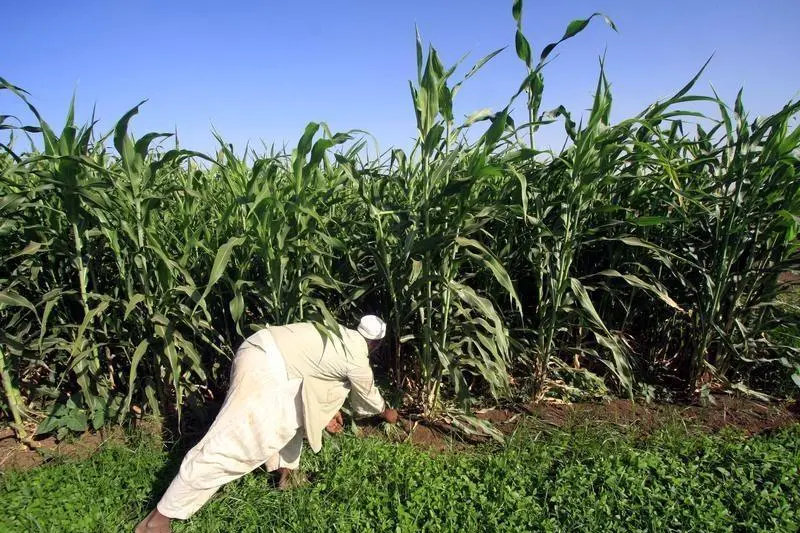
With more than 30 percent of global seaborne urea fertiliser exports passing through the region, shortages have triggered a 68 percent surge in prices, directly limiting crop yields for the 2026–2027 harvests. Reduced fertiliser use, higher input costs and shipping delays are already impairing agricultural production in vulnerable countries such as Somalia and Ethiopia.“The food security consequences of this war are already written into harvests that have not yet been planted. Even if prices were to stabilise tomorrow, the most important agricultural decisions have already been made. Farmers are planting less, or not at all, because they can’t afford inputs,” said Melaku Yirga, Mercy Corps Vice‑President for Africa Adding: “These are countries far from the conflict, but fully exposed to its economic shocks. The impact is arriving through markets, not borders, and the consequences will be severe.”
.“The economic shocks triggered by Middle East conflict have set food insecurity outcomes for 2026 and 2027 in some of the world’s most fragile countries,” Mercy Corps said in an analysis.
The UN Food and Agriculture Organisation (FAO) warns that disruptions lasting more than 40 days can trigger changes in farmer behaviour – reducing fertiliser use, switching crops or planting less – determining future harvests: “That threshold was passed in early April, meaning the impact on global food supply is now effectively locked in even if conditions improve.”Despite a tenuous ceasefire recently announced by US President Donald Trump, trade flows have not normalised, and the US blockade of Iranian ports has created greater uncertainty for commercial traffic through the Strait of Hormuz.
Shipping through the Strait remains severely constrained, with humanitarian shipments already being rerouted around Africa, adding up to three weeks to delivery times in some cases.
In Kenya, fuel prices sharply rose on Wednesday, with diesel climbing by a record margin despite a fuel tax cut, as the conflict in Iran pushes up global oil prices. South Africa announced a one‑month cut in the fuel levy two weeks ago to limit pump prices.
The World Food Programme estimates that 45 million additional people could be pushed into acute hunger globally.“Global fertiliser prices have surged during critical planting periods. Fuel prices rose as much as 150 percent within days in some markets, driving up transport and water costs,” Mercy Corps noted.
In its latest review, the energy regulator raised the cost of diesel by 40 shillings to 206 ($1.60; £1.20) a litre, while petrol rose by 28 shillings to a similar level.
It said this reflected higher global oil and shipping costs, even as the government cut value‑added tax to 13 percent from 16 percent. The new prices will last until 14 May when the next review is due, but there is no guarantee that fuel costs will fall any time soon.
The increase in fuel prices has raised transport costs on Kenyan roads, with a spiralling effect on key sectors such as education, health and food security.
Commercial shipping through the Strait of Hormuz has fallen by more than 90 percent, constraining agricultural supply chains.
© Copyright 2026 Nation Media Group. All Rights Reserved. Provided by SyndiGate Media Inc. (Syndigate.info).