PHOTO
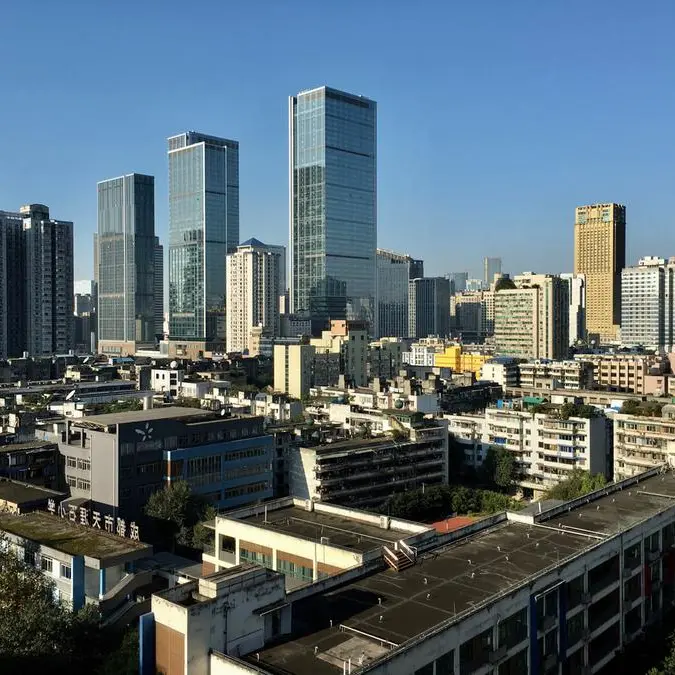
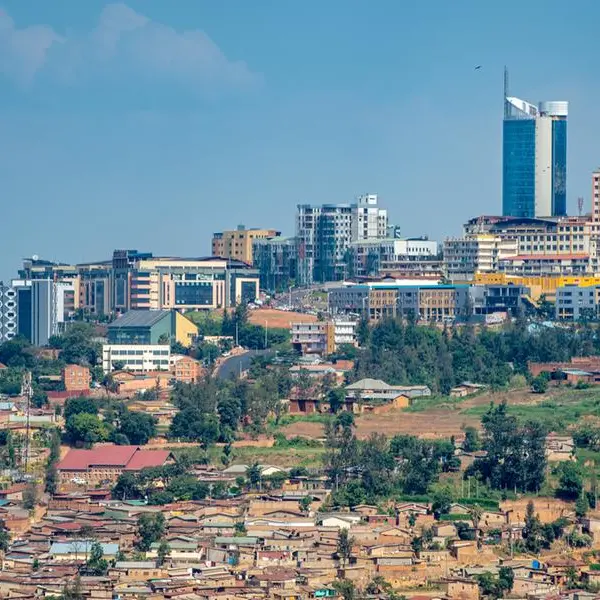
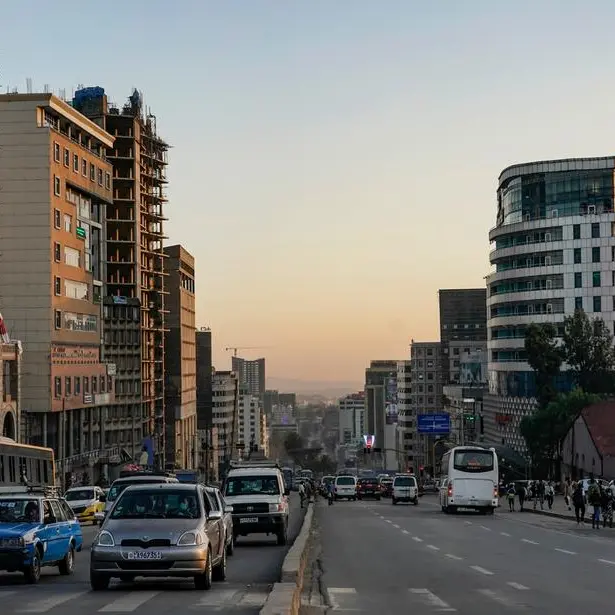
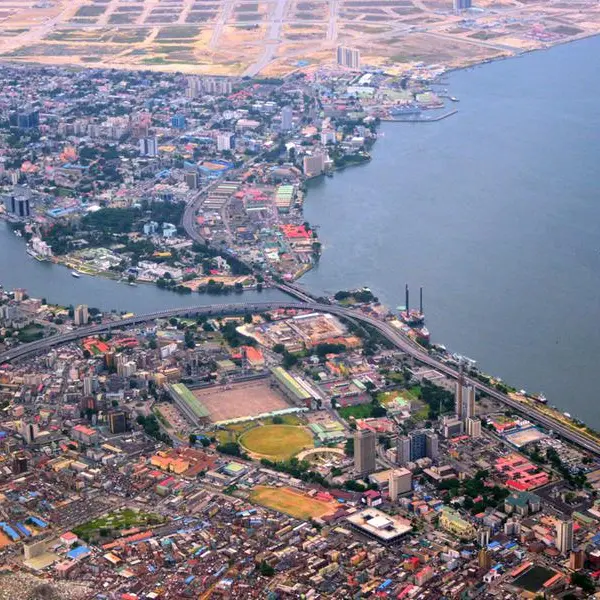
Kenyan lenders with regional operations are banking on the rising infrastructure development in East Africa to sustain profit, amid renewed fears of slow lending and muted economic activity triggered by the crisis in the Middle East.
KCB, Equity, Co-operative, I&M and DTB banks recorded strong growth in profits in 2025, meaning hefty dividends to shareholders.
The regional units of these lenders contributed significantly to their profits, reflecting the fruits of cross-border expansion and sovereign risk diversification.
Ms Melodie Gatuguta, research associate at Standard Investment Bank, said the banks’ 2025 performance was mainly driven by reduced loan loss provisions, liability repricing – where they lowered their deposit rates much faster than the lending rates – diversified revenue streams from non-banking lines such as custody, insurance and wealth management coupled with digital banking and payment systems ecosystems.“Generally, the subsidiaries had a strong performance backed by strong economic growth, and their returns were somewhat squeezed by translation impact against the Kenya shilling,” she said.“South Sudan went back into hyperinflation, though it also benefited from the resumption of crude oil trade.”The Kenya Bankers Association (KBA) said the war in the Middle East has the potential of constraining further declines in interest and slow down the recovery of the private sector and investments but the Kenyan banks would continue to take advantage of emerging opportunities in construction as regional countries invest heavily in infrastructure.“We recognise the headwinds from the war in the Middle East, particularly its effects of potentially constraining declines in interest rates and slowing down recovery in private sector, and general slowdown in investments as investors adopt a wait-and-see approach,” the association’s CEO Raimond Molenje told The East African.“We still project robust banking performance in 2026 as banks remain open to explore opportunities in financing virtually all economic sectors. Diversification will be key.”
The United States and Israel have intensified air strikes across Iran, with US President Donald Trump threatening to destroy Iran’s main oil export hub and energy infrastructure if no deal is reached with Tehran for a ceasefire soon.
The conflict, began on February 28, when US and Israel launched airstrikes on Iran, killing Supreme Leader Ali Khamenei and several other top officials as well as inflicting hundreds of civilian casualties.
Iran responded with missile and drone strikes against Israel, US bases and US-allied countries in the Middle East.
President Trump says the burden is on Tehran to agree to end the war, which has entered its second month, or face the destruction of its energy resources, including power plants and oil hubs.
But Iran remains defiant, calling US demands “unrealistic”, and continuing attacks on Israel and Gulf countries.
Experts at Oxford Economics say the war, which has resulted in the closure of the Strait of Hormuz – a global chokepoint serving as an artery for 20 percent of the world’s oil supply, and 30 percent of the world’s maritime trade – will keep pressure on oil prices, with the Brent crude price project to average $113 per barrel in the second quarter of this year. “The release of strategic reserves and inventory reductions will become less effective. The lower they fall, the longer the Strait of Hormuz is closed, putting additional upward pressure on oil prices and cost for the global economy,” says Ryan Sweet, a Global Chief Economist at Oxford Economics.“Tankers passing through the strait are 98 percent below seen the week before the war began. We expect traffic to increase to about 50 percent in May and June, but risks remain weighted to the downside.”
Kenya faces a potential loss of $1.07 billion or Sh138.565 billion (41.44 percent) of its exports to Asia in the wake of the Middle East conflict that is sending shockwaves in the global economy, driving up energy costs, disrupting shipping routes and threatening to stifle growth prospects.
Experts at the Institute of Economic Affairs (IEA) say the loss of the Persian Gulf as a destination market as a result of the Iranian attacks would expose Kenya to a loss of $ 1.073 billion of its exports to Asia, while on the imports side, the country would lose supplies of $ 3.57 billion (Ksh465.5 billion) from the region.
In a March report dubbed “The USA-Israel War on Iran: Why does it matter to Kenyans?”, the institute says the loss in Kenya’s exports receipts will be accounted for by losses from the UAE, Saudi Arabia, Iran and Bahrain.“The Gulf is a critical source of energy and industrial imports, and a huge market for Kenyan goods. The war presents an asymmetric risk to Kenyan imports compared to its exports,” the report says.
The Persian Gulf is a shallow, strategically vital marginal sea of the Indian Ocean located in Western Asia, extending about 989 kilometres between Iran to the northeast and the Arabian Peninsula to the southwest and connected to the Gulf of Oman via the Strait of Hormuz.
© Copyright 2026 Nation Media Group. All Rights Reserved. Provided by SyndiGate Media Inc. (Syndigate.info).