PHOTO
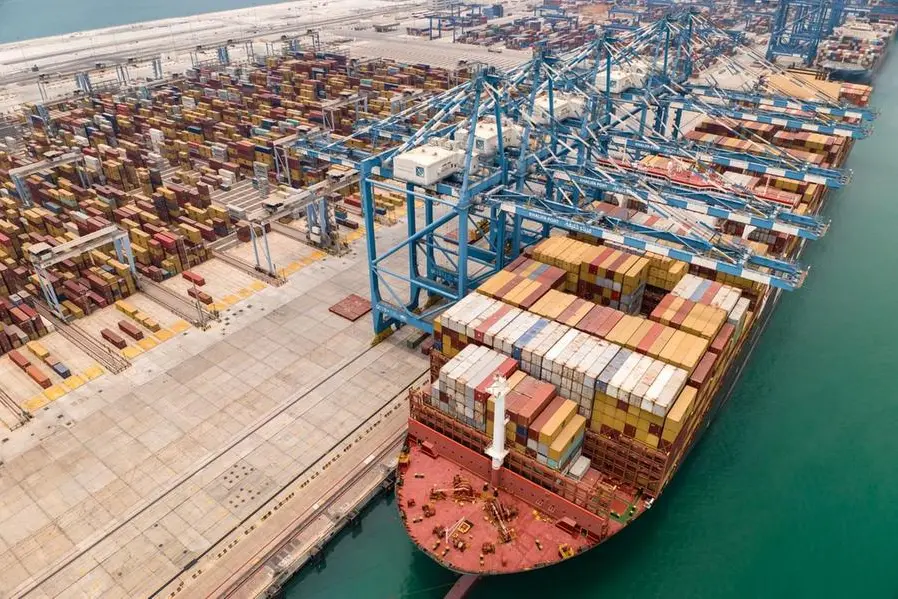
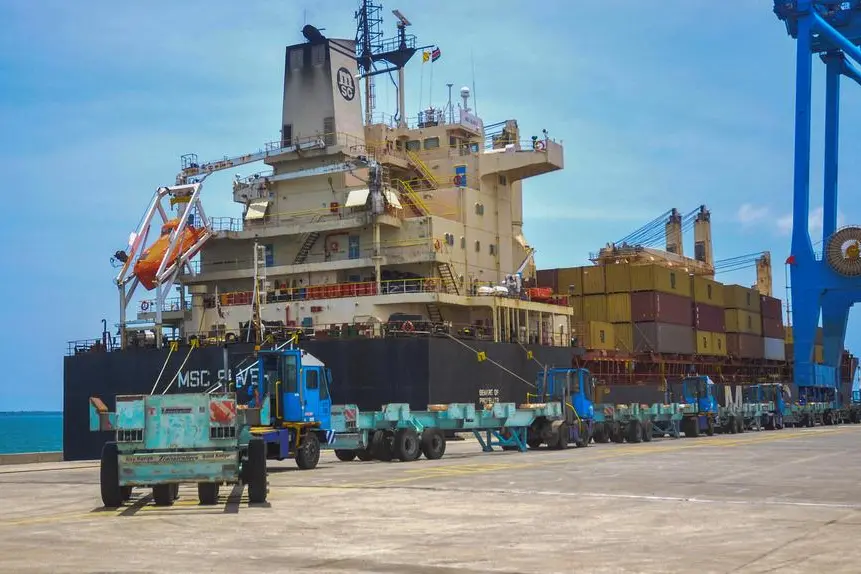
The Port of Lamu has processed the first-ever transit container shipment destined for Burundi as it benefits from the latest move by shipping lines to free their vessels by offloading cargo in the most convenient place.
The cargo, which arrived aboard the MV Jolly Oro, was originally scheduled for transshipment via the Port of Dar es Salaam but, after a change in the mode of transport facilitated through a C11 amendment form, the consignment was cleared and moved by road directly to Burundi.
The developments have also breathed life into the Voi-Taveta-Tanzania-Burundi corridor, which has been largely in disuse since its official opening in 2018.
In March this year, amid the US/Israel–Iran conflict, major global shipping firms invoked a 19th-century rule, the Liberties Clause, in maritime contracts to reroute cargo and discharge containers at ports of their convenience other than the contracted destination passing on the cost to the shippers.
The move reflects disruption across Gulf trade lanes, where security risks and operational constraints are preventing vessels from completing voyages as agreed.
The Liberties Clause, formalised under the Hague Rules, allows operators to complete contractual obligations at a different discharge point without breaching terms where carriers alter routes, delay voyages or terminate carriage at an alternative port if the original passage becomes unsafe or impractical.
In modern shipping, cargo moves under a bill of lading. This is both a receipt and a contract between the shipper and the carrier.
Most bills of lading include the “liberties clause” or “deviation clause,” allowing the carrier to change the voyage if conditions make the original route unsafe or impractical. The clause can permit the carrier to change the route, delay the voyage or discharge cargo at a different port.
Lamu has been styled as a transshipment hub and the events in the Middle East have handed it an opportunity to serve the role and come out of the doldrums.
This latest move also underscores Lamu’s capacity to serve as a competitive gateway for transit markets across East Africa, positioning it as a viable alternative to traditional routes, he said.“This arrival proves Lamu was not built as an afterthought. This is historic as the port can handle transit containers destined to other neighbouring countries smoothly,” Mr Mzee said.
He also emphasised that the visit highlights Lamu Port’s growing significance as a strategic transhipment hub in East Africa, attributing its success to recent infrastructure upgrades, including high-capacity ship-to-shore gantry cranes.
The cargo has also seen the use of the Voi-Taveta/Holili-Arusha-Singida road network, which forms part of the trunk road meant to reduce distance from Mombasa port to Bujumbura.
The highway, which was completed in 2018, covers 1,545 kilometres and reduces the distance from Mombasa to Bujumbura via the Northern Corridor by 358 kilometres.
It is part of the East African Community Regional Road Network Programme meant to boost cargo through Arusha to other EAC partner states.
The corridor has lately been geo-fenced to allow cargo passing through it to be tracked electronically for taxation and avoidance of dumping. Geofencing also guards against theft and loss of cargo while in transit.
© Copyright 2026 Nation Media Group. All Rights Reserved. Provided by SyndiGate Media Inc. (Syndigate.info).