PHOTO
False beliefs about Ebola and rising case numbers are compounding the humanitarian crisis in eastern Democratic Republic of Congo, where conflict, displacement and public mistrust are undermining efforts to contain the outbreak.
The World Health Organisation (WHO) said on Sunday that the response to the Ebola outbreak in Ituri Province could help contain the deadly disease, but warned that the crisis was deepening humanitarian suffering in a region already scarred by years of war.
WHO Director-General Tedros Adhanom Ghebreyesus said the DRC was tracking 904 suspected cases by Sunday evening, with 101 confirmed infections.
In Ituri, where about five million people live amid chronic insecurity, a quarter of the population already required humanitarian assistance before the outbreak, while one in five had been displaced.“The violence is forcing people to flee, including health and humanitarian workers,” Dr Tedros said.“This is severely impeding efforts to scale up Ebola contact tracing and identify infections early enough to provide supportive care. Ongoing insecurity and fear are also fuelling mistrust within communities.”WHO has raised the health risk from the outbreak in the DRC to “very high”, warning that the disease could spread from Ituri to neighbouring provinces and across borders.
Uganda has already reported five linked cases, including one death, involving people who crossed from Ituri.
According to the Congolese Ministry of Health, suspected cases have also been recorded in North and South Kivu provinces, where authorities are investigating infections in Butembo, Katwa and Miti-Murhesa.
The DRC has reported 119 deaths, with Bunia in Ituri recording the highest number of confirmed cases.
Mistrust challengeBut the outbreak is also being complicated by misinformation and deep mistrust of state institutions.
Following the declaration of the country’s 17th Ebola outbreak, some social media users accused authorities of exploiting the crisis for financial gain.“A new Ebola outbreak has been declared. It is an opportunity for the Ministry of Health to make money,” some commenters said online. Others described it as “good business”, while one journalist reportedly claimed it was a biological weapon created by politicians.
The mistrust has fed resistance to containment measures.
In Ituri, health officials say the outbreak began spreading during a funeral in mid-April after relatives replaced a sealed coffin without knowing the deceased had died of Ebola. The damaged coffin was burned, and when more deaths followed weeks later, some residents concluded the coffin had been cursed.
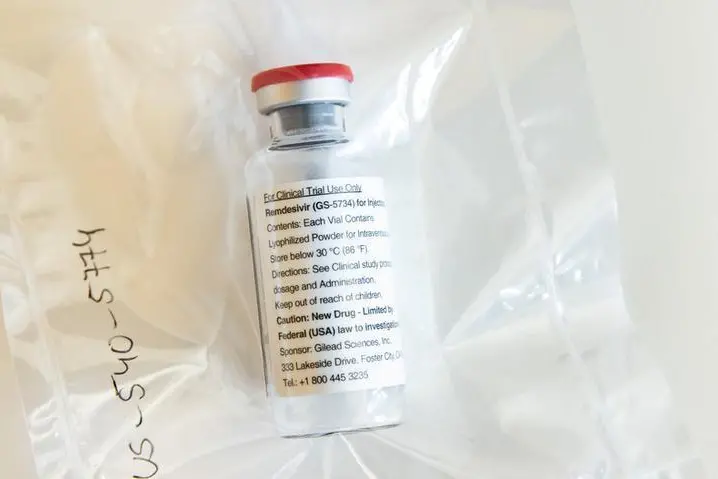
Health Minister Roger Kamba dismissed such claims, insisting that “Ebola is not a mystical or mysterious disease.”WHO has stressed community engagement as critical, particularly because vaccines are not widely available for all Ebola strains, including the Bundibugyo variant.
On May 21, tents used to isolate Ebola patients outside Rwampara Hospital were set on fire after relatives of a deceased patient reportedly attempted to recover the body for burial.
After Red Cross workers intervened, violence erupted and several Ebola patients fled the treatment centre, according to witnesses.
In some communities, Ebola is still viewed as “a creation of white people” or as a pretext to seize land.
The risks are not theoretical. During the 2019 Ebola outbreak in North Kivu, Cameroonian WHO epidemiologist Richard Valery Mouzoko was killed while supporting the response.
Regional threatThe Africa Centres for Disease Control and Prevention has warned that 10 African countries face an elevated risk if the outbreak is not contained.
Africa CDC Director-General Jean Kaseya named South Sudan, Rwanda, Kenya, Zambia, the Central African Republic, Tanzania, Ethiopia, Angola, the Republic of Congo and Burundi as high-risk countries.“We have two affected countries and 10 countries at high risk,” he said during a virtual briefing.
As the response scales up, international support is growing.
The Gates Foundation has committed an initial $15 million in emergency funding, including support for Africa CDC, WHO Africa and WHO headquarters to strengthen surveillance, logistics and rapid response operations.
© Copyright 2026 Nation Media Group. All Rights Reserved. Provided by SyndiGate Media Inc. (Syndigate.info).