PHOTO
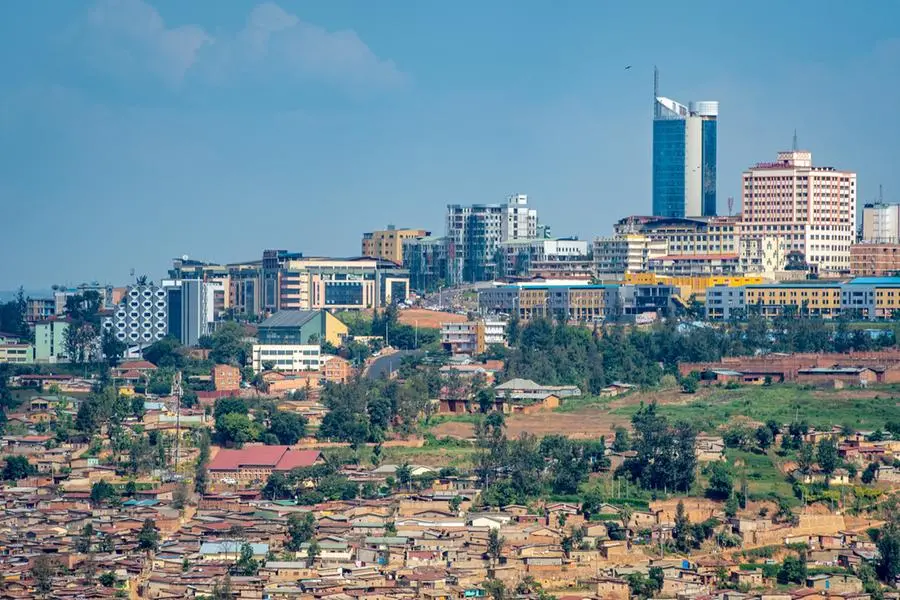
The big-ticket construction projects in Kigali and other parts of Rwanda have led to a scarcity of construction materials, driving up prices, with smaller projects suffering.
Infrastructure investments in the 2025/26 budget alone total Rwf615 billion ($450 million)Massive projects such as the Bugesera International Airport, Nzovu Mall by Groupe Duval, the Kigali Wetland Rehabilitation Project, road expansions, multiple affordable housing projects, are projected to consume half of Rwanda's annual cement production, which is around 1.5 million tonnes, and significant steel imports.
Construction material dealers have prioritised these mega projects, as they have big budgets and take large orders.“I have had to put on hold constructing a house, prices have increased by 30 percent from the time I started,” said Musafiri Pius, who is constructing a house for his family in a Kigali suburb. “Some materials are just hard to get, you have to wait for months. A friend had to sell off his house before completion.”Prices of cement, steel, sand, gravel, and timber have shot up, and are often out of stock for prolonged periods.
The cost of iron bars has almost doubled, rising from Rwf14,000 ($9.58) to Rwf27,000 ($18.47), like building blocks, a truck of which used to go for Rwf70,000 ($47.88) but has now jumped to Rwf120,000 ($82.08).
According to official data, the Producer Price Index (PPI) trajectory suggests construction material costs rose 5-10 percent on average in 2025.
The manufacturing sector— a major driver of PPI growth—saw a 7.7 percent year-on-year rise in May 2025, fuelled by non-metallic mineral products (such as cement and lime), which went up 21 percent in Q1, and metal products rising by 22 percent, pushing up prices by 15-20 percent overall, with the construction industry's value growing from $1.3 billion in 2024 to $1.4 billion in 2025, partly due to higher input costs offsetting volume growth.
Construction output rose 5 percent year-over-year in Q2 2025, contributing to the broader industrial sector's 7 percent expansion.
The other concern is that the projects only serve to widen the growing income inequality. Ongoing projects span transport, energy, urban development, healthcare, and agriculture, driven by government partnerships with entities like the African Development Bank (AfDB), World Bank, and private firms such as Summa and Groupe Duval.
”He cited how “high-end infrastructure and tourism-driven projects, such as the Bugesera International Airport and Kigali Convention Centre, primarily serve elite interests and a small urban segment, exacerbating disparities for the rural poor and vulnerable groups.”
© Copyright 2022 Nation Media Group. All Rights Reserved. Provided by SyndiGate Media Inc. (Syndigate.info).