PHOTO
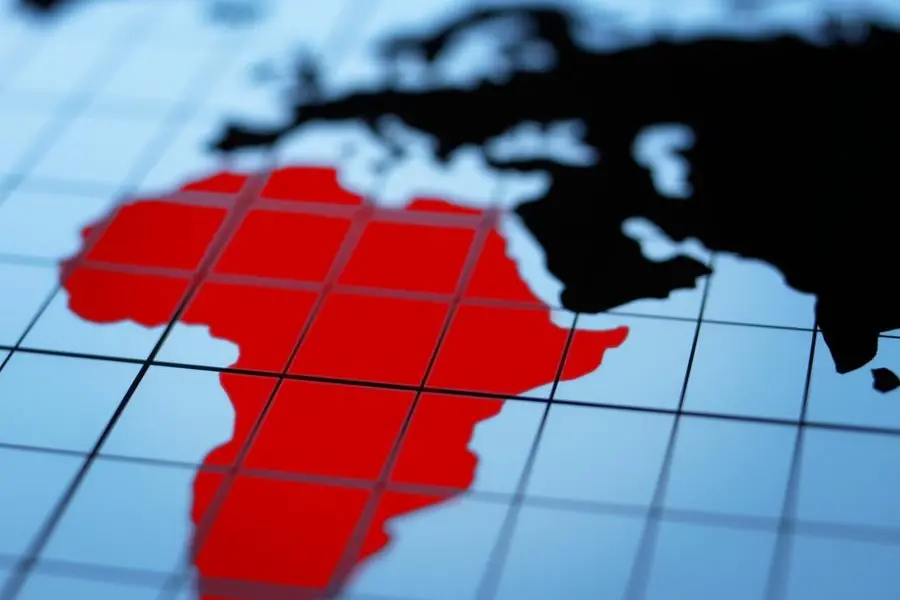
Mobile network operators (MNOs) across Africa are sounding the alarm over rising fuel costs, which are increasing operational expenses and threatening connectivity as well as the affordability of voice and data services.
The GSM Association (GSMA), a global telecoms industry lobby group, says operators in Africa have been particularly affected by the ongoing Middle East crisis, hampering their ability to deliver services effectively.
Telecoms firms use fuel, particularly diesel, to power phone masts that provide voice and internet connectivity, especially in remote areas without access to grid electricity. The Iran war has triggered fuel price increases across many African countries, including Kenya, pushing up operating costs.“Rising fuel costs and supply pressures are putting network operations at risk,” GSMA said in a statement. “Where digital gaps remain greatest, fuel shortages don't just disrupt telecom operations; they threaten essential services, economic activity and broader digital progress.”Power pressureIn Kenya, leading operators have expressed concern over rising fuel costs, describing them as a significant operational risk. Safaricom and Airtel both rely heavily on diesel to power phone masts in remote areas and during blackouts.
Safaricom, for instance, used 10.4 million litres of fuel in the 12 months to March 2025 to power its masts, up from 9.7 million litres the previous year, according to its latest disclosures. A surge in fuel prices would therefore significantly increase its operating costs.
Both telcos said they are gradually reducing reliance on diesel-powered network sites by connecting them to the grid and installing solar panels to cushion themselves against fuel price shocks and improve environmental sustainability.
Policy pushGSMA wants governments to prioritise fuel supplies to mobile operators to ensure continuity of service and minimise disruptions to operations, which it argues are critical to Africa’s economic progress.
In the medium term, it wants governments to “treat telecoms as critical national infrastructure, adopt shared-responsibility models for site protection and support investment in alternative and renewable power solutions.”“Reliable networks sustain commerce, digital payments, emergency coordination and remote access to services, reducing unnecessary travel and supporting communities when it matters most,” the lobby group said.“Protecting network continuity is therefore not a sector-specific concern, but a national development priority.”
© Copyright 2026 Nation Media Group. All Rights Reserved. Provided by SyndiGate Media Inc. (Syndigate.info).