PHOTO
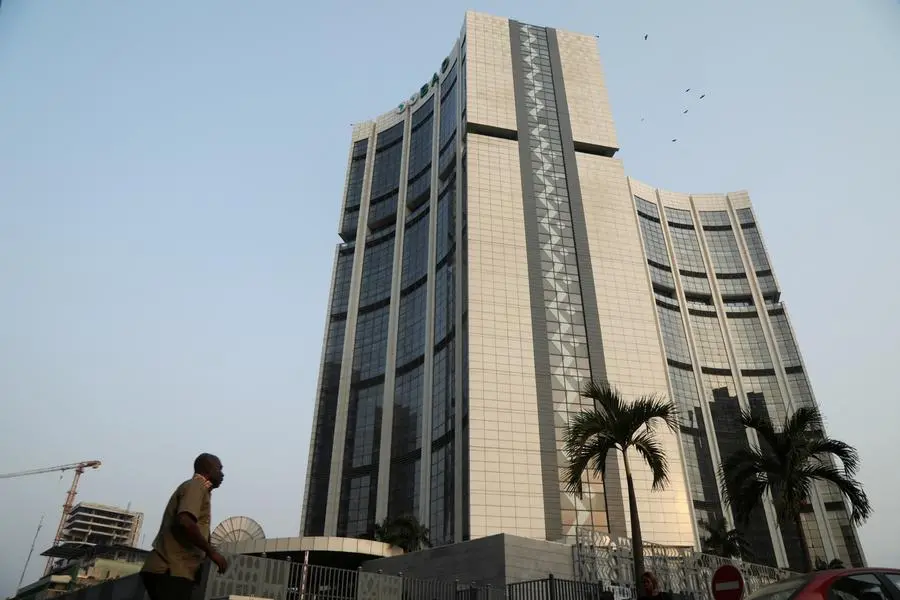
The African Development Bank (AfDB) is positioning itself as a key connector in Africa’s drive to boost intra-African trade and regional integration, intensifying its focus on big-ticket projects it deems vital for unlocking the continent’s economic potential.
Despite frequent geopolitical shocks, the lender says that, over the next decade, it will place a greater emphasis on projects that improve the free movement of people and goods, and that establish seamless commerce between the countries in its region.
At a press briefing at the end of the bank’s Annual Meetings in Brazzaville, AfDB President Sidi Ould Tah said that this projection was partly inspired by the fact that credit for Africa is becoming scarcer and more expensive globally, as well as by regional efforts to implement the African Continental Free Trade Area (AfCFTA).“If you look at the continent, we have many paradoxes. One of these is the disparity between Africa’s population and resource wealth and its GDP. The continent is endowed with abundant resources, yet its contribution to the global GDP is barely 3 percent,” said Dr Tah at the Kintele International Conference Centre.
He added: “This paradox requires a shift in the way we approach development financing. We cannot continue with small projects, relying on public finance and aid. We need to develop large-scale projects that add value to our natural resources. If we continue to export raw materials and import finished products, we will never eradicate poverty.”
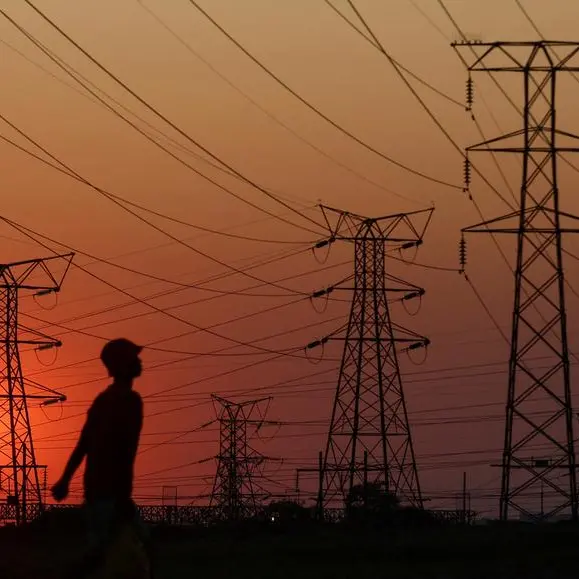
As part of the ‘Mission 300’ initiative with the World Bank, the AfDB is aiming to provide 300 million Africans with access to electricity by 2030. In a communiqué, the Bank stated that it will directly target providing 50 million people with access to electricity, including by strengthening support for clean cooking.“We encourage the Bank Group to continue to support a climate-resilient and low-emission future in Africa, in line with the Ten-Year Strategy, the 2021–2030 Climate Change and Green Growth Strategic Framework and the Paris Agreement.
This should be consistent with the respective Nationally Determined Contributions of regional members,” the communiqué said.
According to a dispatch, the US opposed the adoption of the communiqué ‘for not being aligned to its national priorities’. Nevertheless, the bank intends to raise local capital to fund projects, rebuild Africa’s financial sovereignty through a New African Financial Architecture, invest in its population, and develop infrastructure and value chains to increase trade volumes.
While the bank claims that this shift is inspired by the prospect of continental integration, it is also a cost-cutting measure as smaller projects often require the same level of due diligence, despite being more fragmented and demanding just as much administrative attention.
Dr Tah said large-scale, efficient projects may transform the continent, although he acknowledged that the bank would still play an indirect role in supporting smallholder segments of the economy.“The AfDB will enhance technical professional training and develop micro and SMEs. We will no longer be exporting raw materials. We call on private capital to add value,” he said, adding that from now on, the bank will operate on the principle of subsidiarity, working with development banks and commercial partners, and focusing on women’s empowerment and youth, but “not necessarily directly.”The bank’s MapAfrica tool, published last week, highlights flagship programmes such as road construction, energy corridors and climate resilience, indicating a shift towards larger-scale projects.
Financing ProjectsLast year, the bank approved $11 billion in financing and disbursed $7.1 billion for 200 projects across 50 countries. The tool revealed that 1.5 million people gained access to electricity, 6.9 million farmers adopted climate-resilient technologies and 8.1 million people gained improved access to transport. Furthermore, more people, especially women, accessed cheaper credit to grow their businesses.“One of the problems lies in regulatory issues, which at times prevent pension funds from investing outside their own countries,” said Dr Tah, referring to the $3 trillion worth of savings on the continent that the bank says could be used to fund projects. “The other problem is risk measures; pension funds are reluctant to invest in risky areas.”This week, the bank announced that it had approved a $125 million equity investment in the African Trade and Investment Development Insurance (ATIDI), making the AfDB the agency’s largest shareholder with a 14 percent stake.
However, ongoing geopolitical shocks, such as the current Gulf crisis, may still compel the bank to provide regular emergency support.
The bank expressed concern over heightened geopolitical fragmentation, including the conflict in the Middle East, which is amplifying energy, food, and fertiliser price shocks, disrupting trade logistics and supply chains, and increasing capital market volatility and security risks—factors that should prompt the lender to provide timely and differentiated support to members to safeguard macroeconomic stability and protect vulnerable populations, in close coordination with other development partners.
© Copyright 2026 Nation Media Group. All Rights Reserved. Provided by SyndiGate Media Inc. (Syndigate.info).