PHOTO
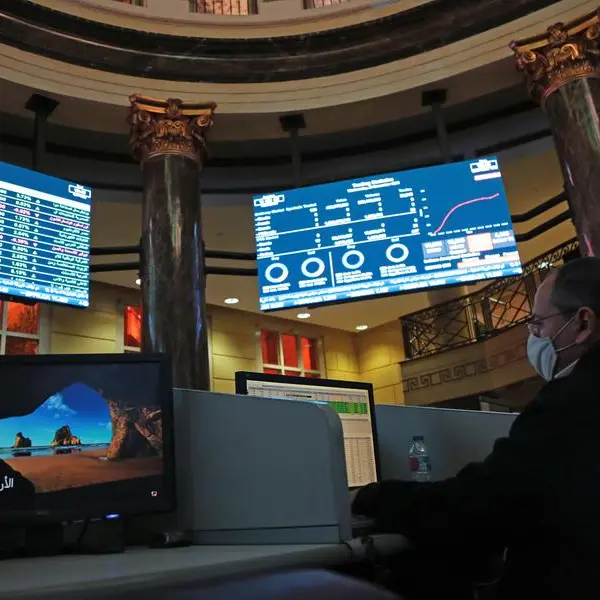
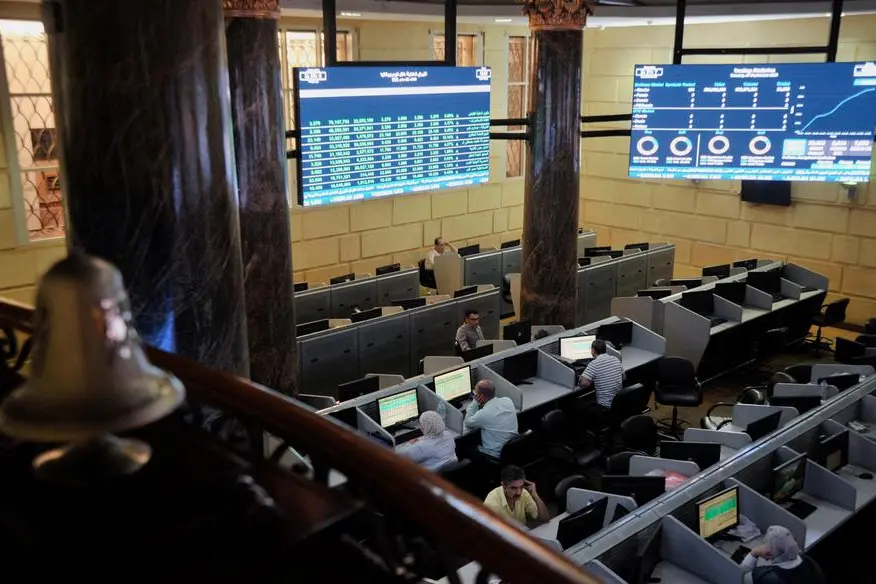
LONDON/SINGAPORE - European stocks rose while U.S. futures were little changed on Friday as oil prices steadied, though global equities remained on track for their steepest weekly drop in a year as the conflict in the Middle East showed few signs of easing.
Currencies also stabilised, with the dollar flat after rising around 1.4% this week. Asian stocks inched up while Treasuries steadied as investors awaited key U.S. jobs data later in the day. "Global markets are looking more positive today, if only a touch, largely driven by a let-up in oil prices after a volatile week for energy markets," said Matt Britzman, senior equity analyst at Hargreaves Lansdown.
Europe's STOXX 600 index rose 0.45% in early European trading, with Germany's DAX and Britain's FTSE 100 up 0.75% and 0.48% respectively.
Futures for the U.S. S&P 500 and Nasdaq indices were unchanged. The U.S.-Israel war on Iran convulsed global markets this week and left investors seeking the safety of cash, as they sobered up to the fact that the conflict could drag on longer than initially anticipated.
The MSCI all-world stock index was on track to drop 2.6% in the biggest weekly fall since March 2025.
Traders also moved to price in more hawkish rate expectations from major central banks, spooked by the prospect of a resurgence in inflation if the spike in energy prices persists.
Yields on U.S. Treasuries have shot up some 18 basis points this week, the most in nearly a year, while the dollar was set for its largest weekly gain in 16 months.
OIL STEADIES AS U.S. MULLS ACTION
Oil prices stabilised on Friday as investors weighed up U.S. efforts to limit fuel price increases, helping ease market concerns about inflation and economic damage.
Brent crude futures were roughly steady at $85.60 per barrel, around the highest since July 2024. They were on track for an 18% weekly jump, the largest such increase since Russia launched its full-scale invasion of Ukraine in February 2022.
U.S. crude was also flat at $81 a barrel, taking its weekly gain to more than 20%.
The U.S. Treasury Department is weighing actions to limit the increase in energy prices, a senior White House official said. On Thursday, the U.S. issued a temporary waiver to allow India to buy Russian oil.
"Investors (are) increasingly alarmed that the oil price spike will become entrenched, pushing up inflation around the world," said Jim Reid, global head of macro research at Deutsche Bank.
He added: "The reality is though that we continue to trade competing headlines, with risk appetite swinging back and forth over the past 24 hours."
HIGH-FLYING TRADES TUMBLE
MSCI's broadest index of Asia-Pacific shares outside Japan rose 0.2%, though it was set to fall 6% for the week, its steepest weekly drop since March 2020. South Korea's Kospi was headed for its largest weekly fall in six years with a 10.5% slide, part of a trend for previously high-flying assets to falter as investors looked to cut their exposure to global markets.
The U.S. currency paused on Friday but was still on track for a weekly gain of close to 1.4%, bolstered by safe-haven demand and reduced U.S. rate-easing expectations. The euro, which remains vulnerable to a spike in energy prices, was set to fall 1.7% for the week. Investors are now pricing in about 40 basis points of easing from the Federal Reserve this year, down from 56 bps a week ago . The European Central Bank is seen as likely to hike rates by year-end.
Potentially market-moving U.S. data, including non-farm payrolls, is due at 1330 GMT (8:30 a.m. ET).
The yield on benchmark 10-year U.S. Treasuries was last steady at 4.15%.
Elsewhere, spot gold was little changed at $5,106 an ounce, though it was headed for a 3% weekly fall.
(Reporting by Harry Robertson in London and Rae Wee in Singapore; Editing by Muralikumar Anantharaman, Jamie Freed and Kate Mayberry)