PHOTO
Stock markets in the United Arab Emirates ended lower on Friday, as Iran's continued attacks on multiple targets across the Middle East heightened fears of a prolonged regional conflict and unsettled investor sentiment. Investor caution intensified as the war in the Middle East approached the two-week mark, with heavy exchanges of drone and missile strikes across the region.
U.S. President Donald Trump sharply criticized Iran's leadership, while Iran's new Supreme Leader Mojtaba Khamenei, in his first public comments, said on Thursday Tehran would keep the Strait of Hormuz closed and urged neighbouring countries to shut U.S. bases on their territory or risk being targeted.
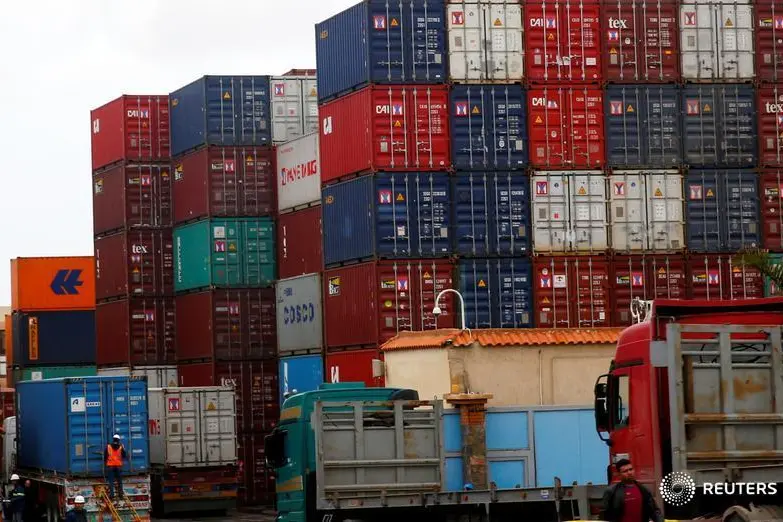
The escalation has raised concerns over disruption to regional trade and energy flows, particularly through the Strait of Hormuz, a vital shipping lane for global oil supplies.
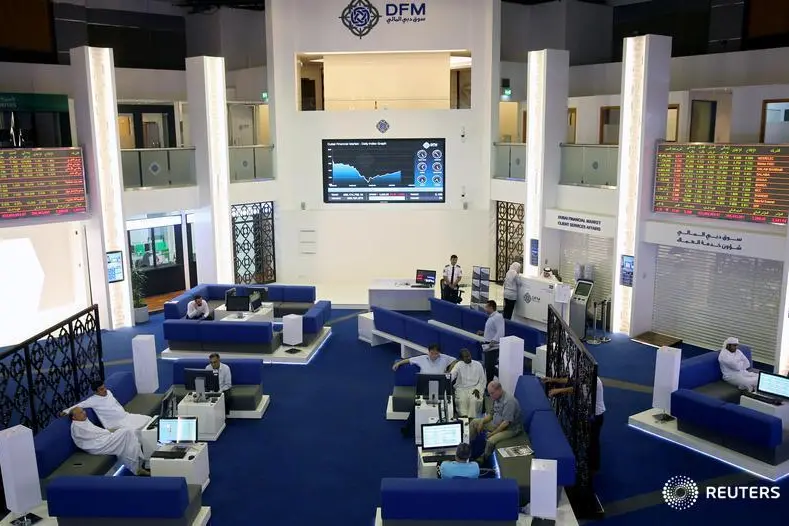
Dubai's main share index slipped 1.7% with most of its constituents in negative territory, led by losses in real estate and utilities stocks. Blue-chip developer Emaar Properties slid 3%, while top lender Emirates NBD dropped 4.9%. The index logged its second highest weekly percentage loss in six years.
In Dubai, debris from what authorities said was a successful interception caused minor damage to the facade of a building in the city centre, the emirate's media office said early on Friday, adding that no injuries were reported.
The office did not specify the location, though a witness said the damage occurred near the Dubai International Financial Centre.
In Abu Dhabi, the stock index closed 1.6% lower for the day and posted a fourth consecutive weekly loss, dragged down by broad based declines. First Abu Dhabi Bank, the UAE's largest lender, fell 2.2%, while Aldar Properties lost 4.3%.
"Most sectors continued to trade in negative territory, although some stocks have started to show signs of stabilization. This could help the market find a floor, but overall sentiment remains cautious", said George Pavel, general manager at Naga.com Middle East.
"Higher oil prices could provide some support for energy-related stocks. However, ongoing disruption risks to trade routes, energy infrastructure, and regional logistics could continue to limit upside potential for the broader market", he added.
- ABU DHABI dropped 1.6% to 9,480
- DUBAI fell 1.7% to 5,426
(Reporting by Md Manzer Hussain in Bengaluru; Editing by Susan Fenton and Krishna Chandra Eluri)