PHOTO
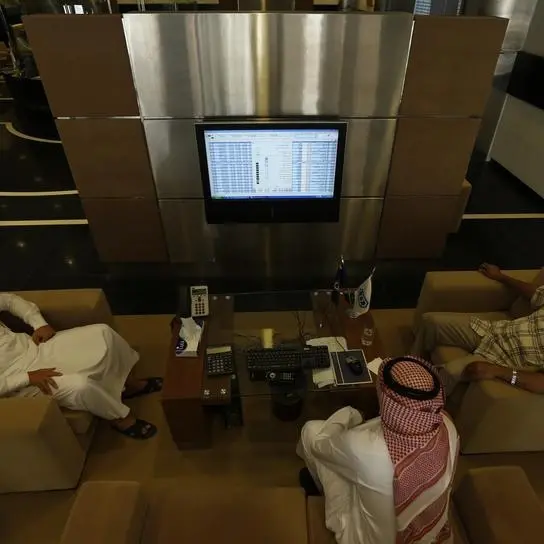
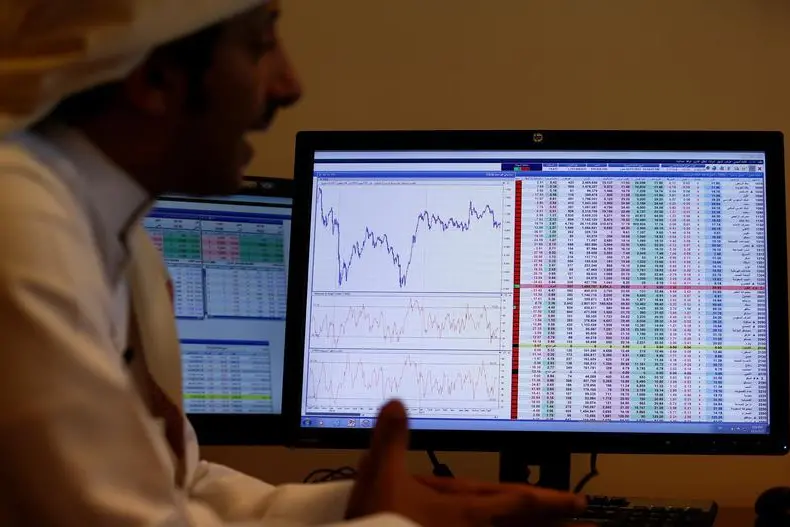
Most stock markets in the Gulf ended lower on Monday amid weak oil prices, with the Saudi index falling for a sixth consecutive session.
Saudi Arabia's benchmark index dropped 0.3%, hit by a 0.8% fall in oil behemoth Saudi Aramco and a 0.3% decrease in Al Rajhi Bank. A Reuters poll on Friday showed that oil prices - a catalyst for the Gulf's financial markets - are unlikely to gain much traction from current levels this year, with rising output from top producers.
On Monday, oil prices rose by more than 1% due to concerns over escalated Russia-Ukraine airstrikes and a weaker U.S. dollar. However, the price range remains relatively subdued.
Even with a small rebound in oil prices, the Saudi market remains exposed to risks related to potential oil price declines, as looming oversupply and weaker demand prospects cloud the outlook for oil, said Joseph Dahrieh, Managing Principal at Tickmill.
Dubai's main share index retreated 1.6%, dragged down by a 2.1% slide in blue-chip developer Emaar Properties . Dahrieh said the Dubai stock market may experience further corrections if no supportive developments emerge.
In Abu Dhabi, the index ended 0.8% lower. The Qatari index fell 0.4%, with Qatar Islamic Bank losing 0.7%.
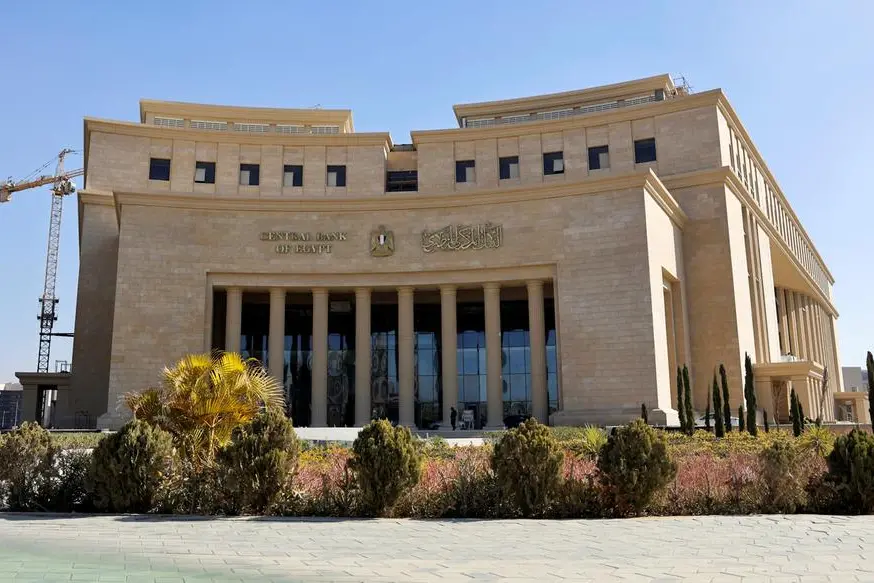
Outside the Gulf, Egypt's blue-chip index was flat. Egypt's real gross domestic product grew by 4.5% in the 2024-25 financial year, up from 2.4% the previous year, Finance Minister Ahmed Kouchouk said on Saturday, boosted by reforms tied to IMF financing and increased manufacturing activity.
- SAUDI ARABIA fell 0.3% to 10,671
- Abu Dhabi down 0.8% to 10,010
- Dubai dropped 1.6% to 5,969
- QATAR declined 0.4% to 11,175
- EGYPT was flat at 35,156
- BAHRAIN was up 0.3% to 1,935
- OMAN gained 1.4% to 5,102
- KUWAIT added 0.2% to 9,101
(Reporting by Ateeq Shariff in Bengaluru; Editing by Ros Russell)