PHOTO
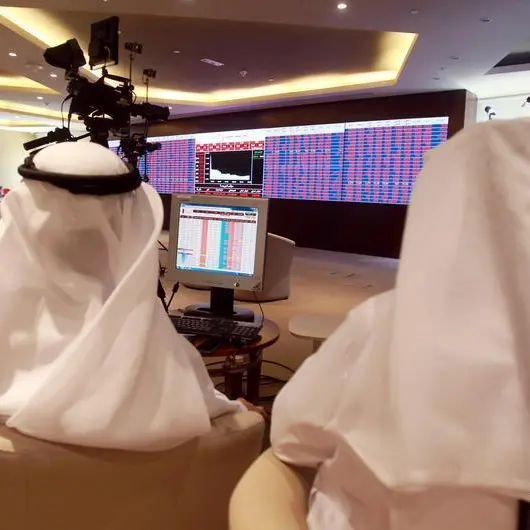
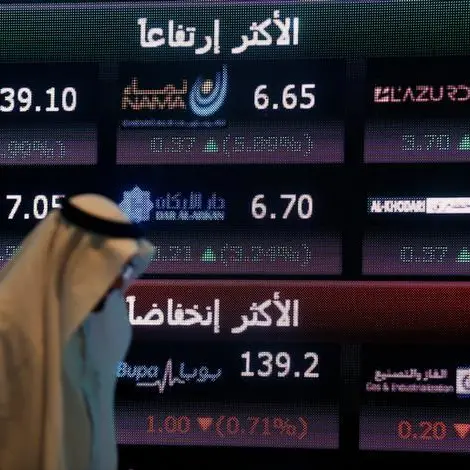
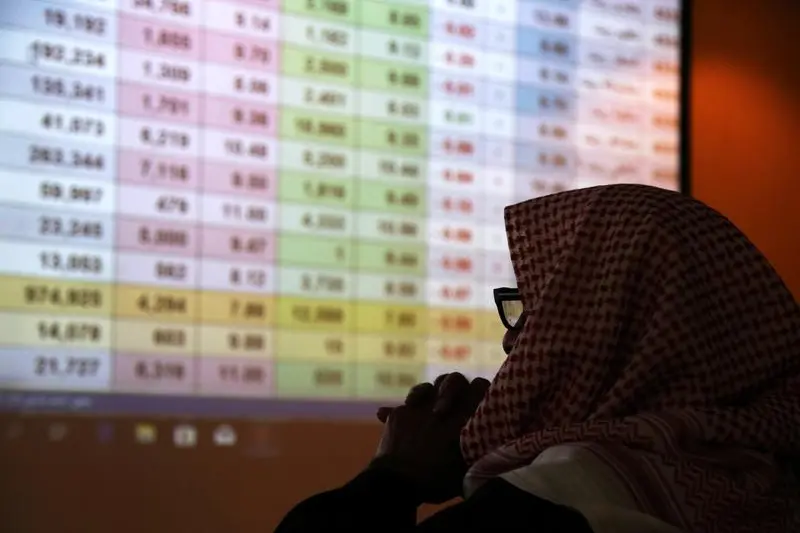
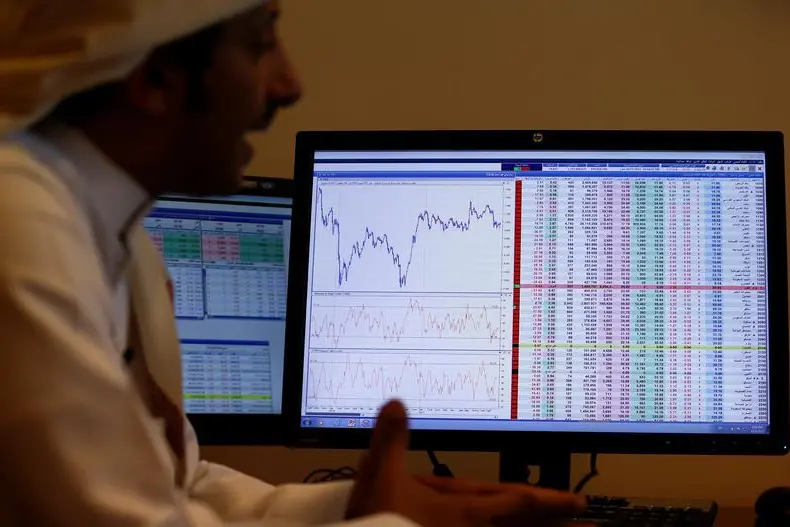
Most Gulf stock markets ended lower on Monday, as investors assessed the potential market impact of upcoming U.S.-Iran talks aimed at easing tensions.
The two countries are set to hold a second round of talks in Geneva on Tuesday, after reviving negotiations earlier this month aimed at addressing their decades-long dispute over Tehran's nuclear programme and preventing a fresh military confrontation.
Iran is seeking a nuclear deal with the United States that would provide economic gains for both sides, with potential energy and mining investments as well as aircraft purchases on the table, an Iranian diplomat was reported to have said on Sunday.
The U.S. military is making preparations for the possibility of weeks-long operations against Iran if President Donald Trump orders an attack, Reuters reported on Saturday, citing two U.S. officials. Such an escalation could trigger a much more serious conflict than anything previously seen between the two countries.
Saudi Arabia's benchmark index fell 0.4%, hit by a 1.3% fall in the country's biggest lender by assets, Saudi National Bank, and a 0.7% drop in oil giant Saudi Aramco. GCC stock markets came under pressure as regional geopolitical developments kept investors cautious ahead of upcoming U.S.-Iran talks, with headlines still leaving scope for escalation.
The resulting risk-off mood spread across the region, weighing in particular on Saudi equities, said Antoine Nadaf, country manager at Givtrade.
"Although the Saudi market retains positive underlying fundamentals and a generally strong corporate earnings season that could support a future rebound, external geopolitical factors and volatility in oil prices continue to weigh on market sentiment."
Crude prices - a catalyst for the Gulf's financial markets - were little changed with investors weighing the market implications of upcoming U.S.-Iran talks aimed at de-escalating tensions against a backdrop of expected OPEC+ supply increases.
Dubai's main share index lost 0.4%, with blue-chip developer Emaar Properties retreating 1.2%. In Abu Dhabi, the index eased 0.1%.
The Qatari index was down 0.4%, weighed down by a 2.2% slide in petrochemical maker Industries Qatar.
Outside the Gulf, Egypt's blue-chip index fell 1.6%, retreating from a record high and giving back some of the previous session's gains. In the previous session, the Egyptian exchange surged 3.6% after the country cut interest rates by 100 basis points.
- Saudi Arabia dropped 0.4% to 11,184
- Abu Dhabi eased 0.1% to 10,623
- Dubai lost 0.4% to 6,702
- Qatar fell 0.4% to 11,427
- Egypt declined 1.5% to 51,495
- Bahrain added 0.1% to 2,050
- Oman advanced 2.2% to 7,283
- Kuwait rose 0.3% to 9,263
(Reporting by Ateeq Shariff in Bengaluru; Editing by Eileen Soreng and Mrigank Dhaniwala)