Thursday, Nov 10, 2011
   By Benoit Faucon
   Of THE WALL STREET JOURNAL
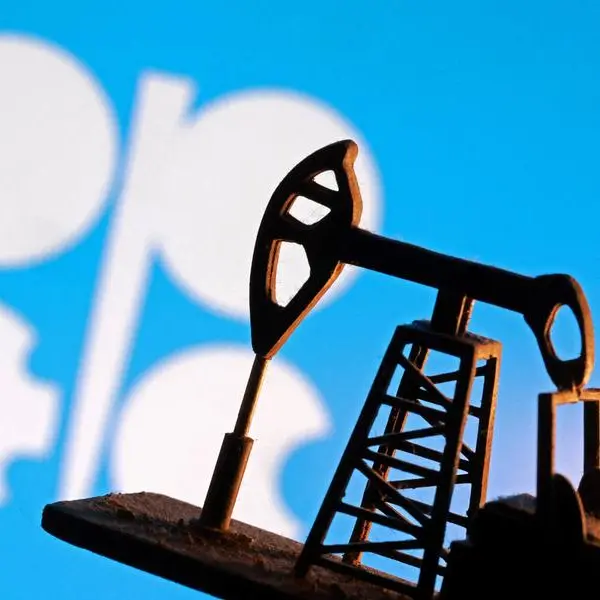
While new forms of North American production such as oil fracking are increasingly hyped as a substitute to Middle East crude, the International Energy Agency warned Wednesday that the West will still rely on Arab barrels to quench its thirst for oil.
And if ministers in Baghdad or Riyadh decide to cut their spending on oil exploration, consumers will end up coughing up $150 for each barrel of crude after 2015.
In its annual energy outlook, the agency said if between now and 2015, oil-and-gas investment in the Middle East and North Africa "runs one-third lower than the $100 billion per year required, consumers could face a near-term rise in the oil price to $150."
The IEA, which acts on behalf of some of the world's largest energy consumers and has a vested interest in putting pressure on oil producers, cautioned that "it is far from certain" the region can deliver the needed investment, because of the unrest, sanctions, increased social spending and rising nationalism.
Nations in the Middle East and North Africa need to allocate an increased proportion of their revenue on social spending and may reduce oil-and-gas investment as a result, it said.
Oil from the Middle East and North Africa remains the cheapest to extract and, the IEA said, it will cover more than 90% of the additional barrels that will be needed world-wide through 2035.
Any thought of $150 oil will give a cold sweat to consumers, after an all-time high of $147 a barrel was blamed for exacerbating the global recession in 2008.
(This story and related background material will be available on The Wall Street Journal website, WSJ.com.)
Oil in the Middle East and North Africa is "the low-hanging fruit," said Neil Atkinson, an energy analysis director at U.K. research firm Datamonitor.
So if investment is delayed and prices jump, "that will be disastrous for the world economy," he said.
Since the beginning of the year, the area has made more headlines for its unrest than for its oil gushers.
Civil war in Libya interrupted most output for eight months and full production--let alone new investment--is unlikely to return before the end of next year.
In Iraq--expected to be the largest source of new production, with more than two million extra barrels a day by 2020--sabotage has continued, along with a dispute over oil contracts with Kurdistan.
Iran, which the IEA said could add 600,000 barrels a day in production by 2035 under a more-optimistic scenario, is facing the prospects of new sanctions over its alleged plot to kill the Saudi ambassador in Washington and its alleged pursuit of nuclear weapons.
The Organization of Petroleum Exporting Countries has its own concerns about oil demand. In its annual outlook issued Tuesday, OPEC said stringent environmental policies in developed nations would cut $190 billion out of its oil-investment needs by 2025.
-By Benoit Faucon, The Wall Street Journal; benoit.faucon@dowjones.com
(END) Dow Jones Newswires
10-11-11 0353GMT