Qatar is the most peaceful country in the region in a survey where other regional states saw their ranking plunge. Also, guess which MENA state is the least peaceful? There are quite a few contenders.
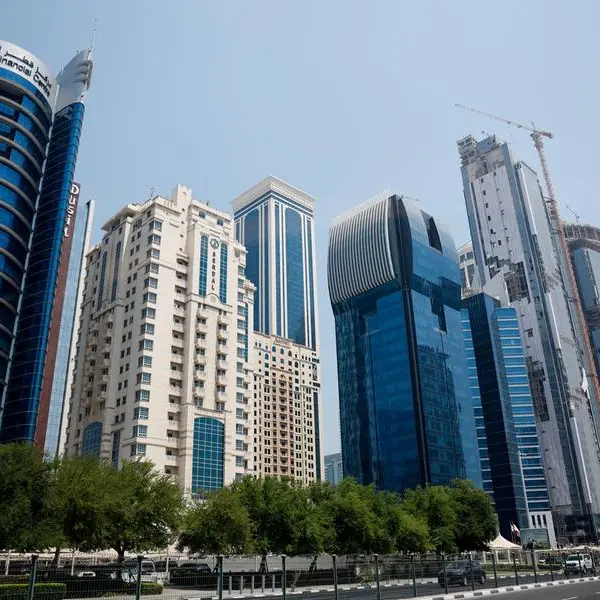
Qatar, which has been beating its regional rival on economic performance, has also won the title of the most peaceful country in the Middle East North Africa region.
The Institute of Economics & Peace, bestowed the number one regional ranking to Qatar in its annual Global Peace Index (GPI) 2011.
The survey, which is in its fifth edition, rank 153 countries based on 23 qualitative and quantitative indicators from various sources. Iceland is the most peaceful country on earth, followed by New Zealand, Japan, Denmark and Czech Republic, the survey notes.
Qatar did not do badly on a global scale either, emerging as the 12th most peaceful country in the world, according to the Institute, above the likes of Germany, Sweden, Switzerland and the United Kingdom.
But the tiny emirate is the only bright spot in a region that is in the middle of tectonic political and social unrest. The lack of peace adds to the political, economic and insurance risks for international companies looking to do business in the region.
"The Middle East and North Africa experienced by far the largest deterioration in its average score of the seven regions for the 2011 GPI, which largely reflects the uprising that began in Tunisia in December 2010 and led to the ousting of the long-time president, Zine el-Abidine Ben Ali, a month later and spread across the region; the 'Arab Spring'," the survey notes.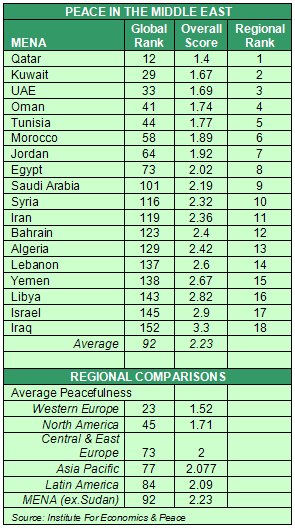
The civil war in Libya also took its toll on Libya, which saw the region's average GPI score plunge. The North African country was previously ranked relatively high in the GPI, peaking at 46th in 2009, with low scores for most measures of societal safety and security apart from respect for human rights (the Political Terror Scale) and the ease of access to light weapons.
Bahrain also saw its rankings drop as the country performed poorly in GPI's societal safety and security indicators. Bahrain has clamped down hard on protestors with the help of Gulf military force. The government has imposed death sentences on some protestors, jailed opposition leaders, and ordered international media correspondents to leave.
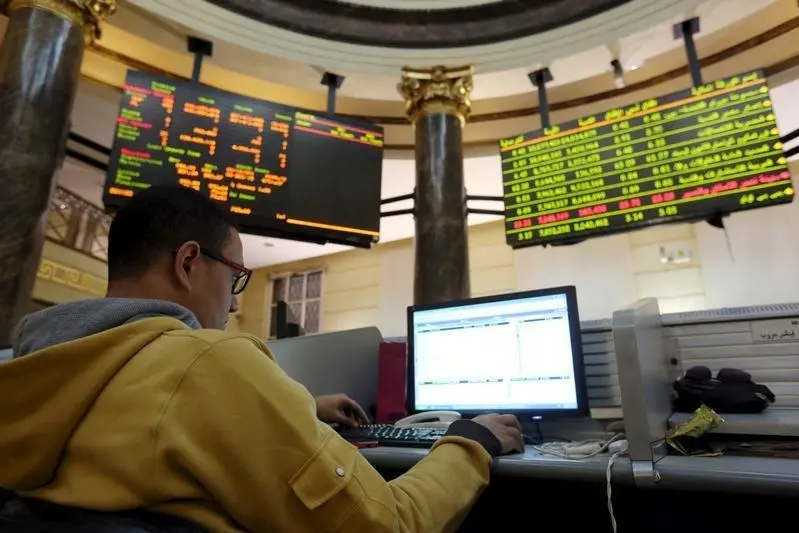
Egypt's GPI score deteriorated by the third-largest margin in the region, followed by those of Oman and Tunisia. Large-scale and ongoing protests in Syria contributed to a sharp deterioration in its GPI score, while recent unrest in Yemen added to the host of disparate and deepening security and socioeconomic challenges for the government.
Out of the five countries in the world that saw the biggest drop in their ranking, three - Libya, Bahrain and Egypt - were from the Middle East.
Even more worryingly, eight out of the 18 MENA countries find themselves in the bottom half of the list, highlighting the political risks associated with the region.
MENA as a whole was barely above other sub-Saharan Africa and performed quite poorly compared to Latin America region and Asia-Pacific.
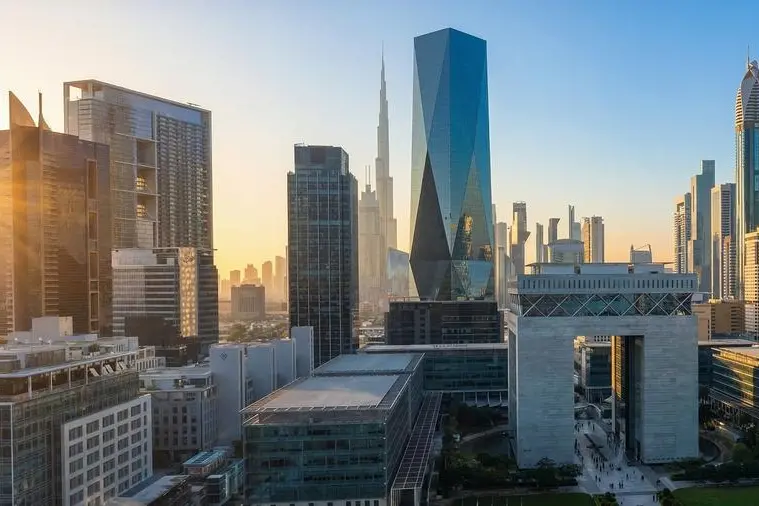
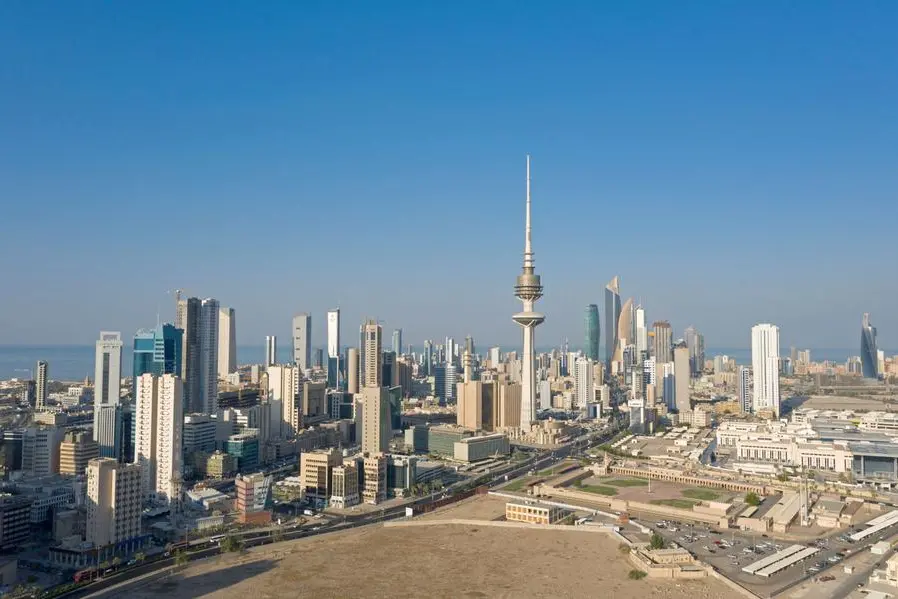
On the plus side, Kuwait was the second most peaceful country in MENA, but a distant 29th globally. The UAE was third in the region, and 33rd globally
Here's who the Institute rated some of the other nations in the region:
Iraq
Iraq may have been second least peaceful nation on earth, according to the GPI index, but the authors believe the country has come a long way.
"Iraq's score improved substantially in 2011, with gains in several measures of both ongoing conflict and safety and security in society and for the first time the country is not ranked lowest in the GPI. The indicator for the level of organised conflict within the country drops to 4.5; 4,038 civilians were killed in 2010, according to Iraq Body Count (IBC), down from 4,686 in 2009 and 9,217 in 2008. This is the lowest civilian death toll since 2003, but the year-on- year improvement is also the lowest (15%) since violence levels began to reduce from late 2007," says GPI report.
The country now has a functioning representative government in place with Nouri Al Maliki retaining his position as prime minister.
"Despite representing Iraq's main communities, the early signs are that the administration will be a weak and divided one and the political scene remains broadly unstable. The indicator of relations with neighbouring countries also underwent an improvement in response to a rapprochement with Syria and strengthening economic ties with Turkey. Relations with Saudi Arabia, Kuwait and Iran remain tense, however."
SudanSudan is the third least peaceful nation in the world, made all the more restive this year because of the escalation of the conflict over secession and resources in Sudan's western region of Darfur, as well as heightened tensions in the south ahead of a referendum in January 2011 concerning the possible independence of South Sudan and the future affiliation of the oil-rich Abyei province.
"Two of the five GPI indicators of ongoing domestic and international conflict deteriorated: the number of conflicts fought (as measured by UCDP) and the number of deaths from internal conflict."
LibyaLibya saw the biggest drop in ranking from 59 last year to 143 this year. The dramatic rise in Libya's score and the country's plunge in the GPI rankings mirror the nation's extraordinarily rapid descent into civil war in early 2011. Bahrain
Bahrain saw the second biggest drop in raking, from 76 to 123, as the government's heavy-handed crackdown on protestors took its toll on the rankings.
The drop would have been even more pronounced but for improvements to three of Bahrain's GPI indicators from last year: a reduction in military capability and sophistication, a fall number of armed service personnel and a slight improvement in the political terror scale tally, says the Institute.
EgyptEgypt was the third biggest decliner in the index, falling from 48 to 73.
The extraordinary events in Cairo's Tahrir Square have been reflected in upward shifts in three qualitative GPI measures of internal conflict, violent crime and political instability, all from low levels. A slight rise in the measure of military capability and sophistication also contributed to the Egypt's overall score rise and slide to 73rd position.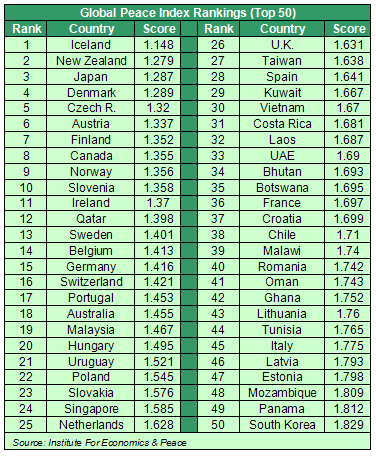
© alifarabia.com 2011