Qatar National Vision 2030
In the current challenging state of the global economy, all eyes are turned to the State of Qatar. The primary reason for this is the continuous positive growth of this country, despite a generally deteriorating global economy. This small country in the Arabian Gulf is attracting the attention of entrepreneurs, investors, institutions and non-governmental organisations alike.
The basic economic data for Qatar are outstanding. Qatar is one of the fastest growing economies globally and has one of the highest per capita incomes in the world. Qatar's Gross Domestic Product (GDP) reached $68.8 billion in 2007 and its exports reached $33.3 billion that same year. Qatar also has the world's third largest reserve of Liquefied Natural Gas (LNG) amounting to 15% of the world reserves in addition to GDP real growth reaching a staggering 7.8% in 2007.
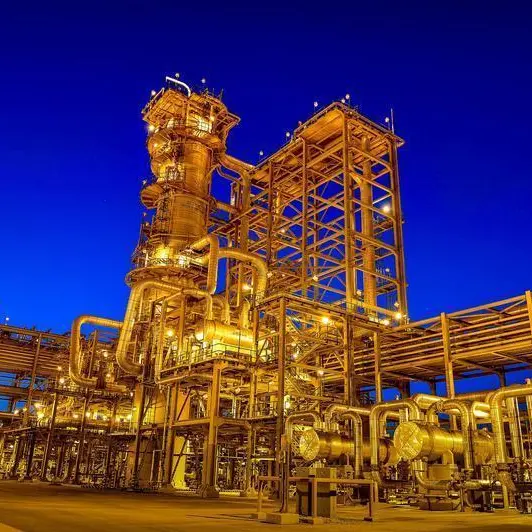
Although Qatar's economy is largely dependent on hydrocarbon and hydrocarbon-related industries (accoun-ting for 60% of the GDP), the country is taking huge steps to diversify its economy and move away from its hydrocarbon dependency and towards a knowledge-based economy. The revenues of oil and gas are being exploited in a prudent and careful manner to guarantee sustainable growth beyond the depletion of oil and gas resources.
In June 2008, His Highness the Emir of Qatar issued a decree approving the Qatar National Vision 2030 (QNV). The QNV is aimed at moving from an oil dependent economy towards a knowledge based economy in order to achieve sustainable growth while preserving the values, traditions and identity of Qatar. The four pillars of QNV are human development, social development, environmental development and economic development.
Examining the QNV, one can identify the priorities of Qatar. Developing human capital through education and integration of Qataris in the public and private sectors, promoting tolerance and acceptance of others while preserving national identity, promoting and enforcing environmental awareness through striking a balance between environmental and economic development and moving towards a knowledge-based economy that limits dependence on oil and gas are Qatar's key priorities.
Qatar houses a number of leading universities under the Qatar Foundation to contribute effectively to human development. Qatar is also spending heavily to enhance its healthcare sector to provide a local and regional platform for healthcare and improved quality of life. Qatar has also established a number of commissions and entities aimed at promoting and preserving civil rights through equality and freedom within the parameters of the law including a Human Rights Committee. On the environmental front, Qatar applies a comprehensive policy of enforcing environmental legislation and, only very recently, became a member of the World Green Building Council; a step taken to control the effect of the construction industry on the environment.
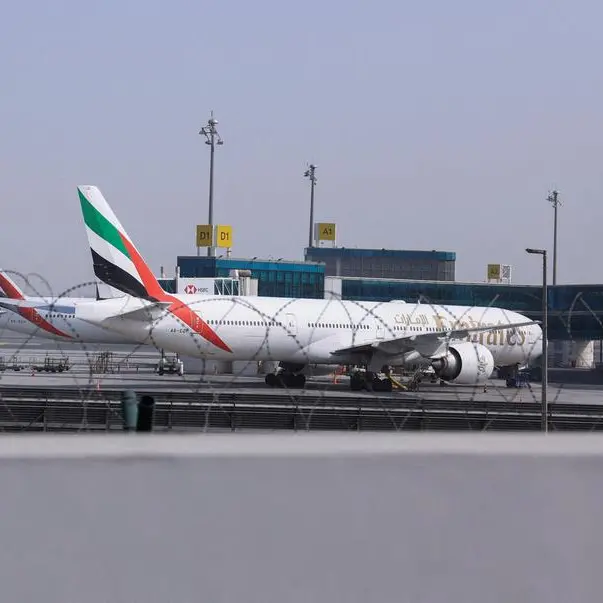
On the economic front, Qatar's initiatives are countless. The Qatar Financial Centre (QFC) was established in 2005 to promote Qatar as a regional financial hub. The QFC implements a strict and up-to-date regulatory framework and attracts leading financial institutions from around the globe. Qatar has also commissioned, or is in the process of commissioning, a number of infrastructure projects including a new airport, a new seaport, improving the existing highway network and a causeway between Qatar and Bahrain to mention but a few. In recent days, there has also been the launch of the Qatar Science and Technology Park; and a free zone that will attract research and development intensive ventures which will serve as a bridge between education and industry.
The Qatar development cycle has frequently been criticised for not keeping up with the fast pace of development unlike the rest of the region, a criticism which seems to be largely misplaced in light of the current global economic climate. In the larger scheme of things, it is obvious that Qatar is taking prudent and sturdy steps towards a clear vision. Haphazard and unguided development comes at a huge cost that Qatar is not willing to pay. It is controlled and targeted growth that Qatar is after.
© Al Tamimi & Company 2009