04 March 2011
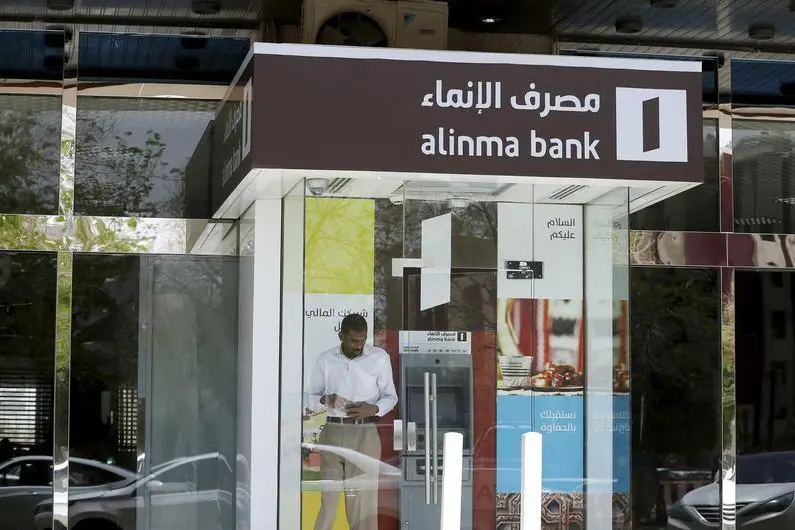
Lebanon’s banking sector has recently appeared in the crosshairs of the United States Treasury Department. Thursday’s television appearance by Riad Salameh, the governor of Lebanon’s Central Bank, was a wise move, designed to assure banks, and the public, that the country’s banking sector is sound.
The Lebanese-Canadian Bank, which was targeted by the U.S. Treasury, had every right to defend itself against money laundering and other charges. But the simple fact is that a considerable amount of time would have been required to see it fight back against the accusations. Such a long, drawn-out process would have dragged down the reputation of the bank, and possibly other banks.
Before Salameh made his appearance, the Lebanese-Canadian Bank changed hands, as it was merged with Societe Generale, in a process overseen by the Central Bank governor. This was also a wise move.
However, although Salameh declined to either confirm or deny that other Lebanese banks might face the same fate, the writing is on the wall. The saga of Lebanon’s banking sector, amid the current developments in the country and the region, is by no means at an end. The episode should send a strong warning to the country’s politicians, who should sit down for a re-think of the performance of banks, and more specifically the mechanisms and other dealings that govern their activities.
Central Bank and government officials must embark on the bold step of achieving a complete separation between the banking system, and politics. In a country like Lebanon, such a nexus represents a lethal recipe for disaster.
The Central Bank govornor assured the public that the sector was in safe hands, and was operating in accordance with national laws and international regulations, but in today’s world, such reassurances can only go so far. Everyone is aware of the complex, interconnected structure of modern financial systems, where banks enjoy multiple extensions into a bewildering array of sectors, activities and markets, throughout the world.
According to media reports, huge sums of money are being transferred and circulated amid the current regional conditions of dramatically shifting political developments. Lebanon itself, meanwhile, faces the huge challenge of reacting to the upcoming indictment of the Special Tribunal for Lebanon.
The last thing the country needs is to act passively, and wait for the repercussions to play out.
Instead, Lebanon should take a pro-active stance and erect the barrier needed to confront dangers to its banks, and by extension its economy, which is precariously dependent on the financial well-being of its banking sector.
Copyright The Daily Star 2011.