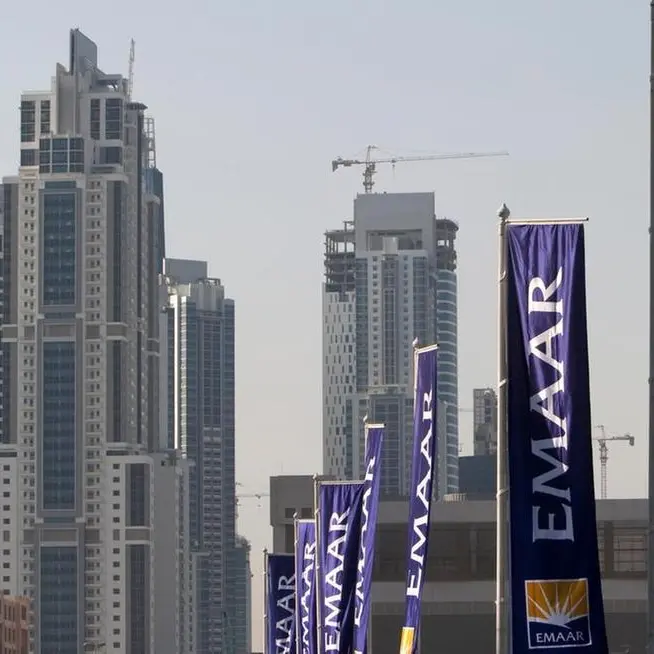
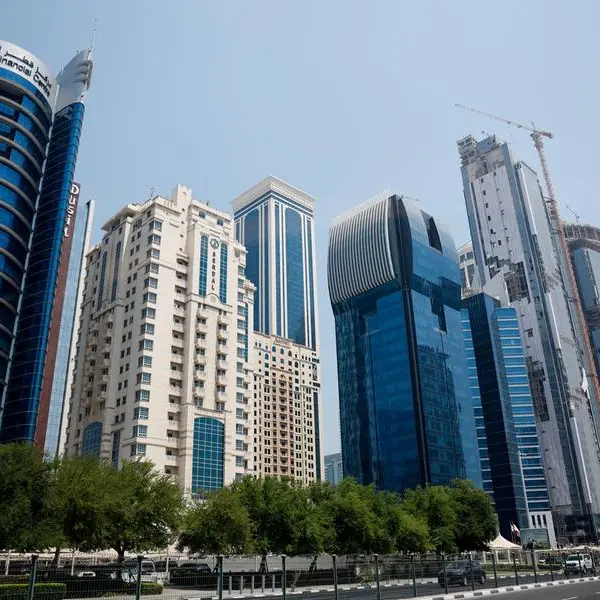
Although property prices in Dubai have dropped significantly since 2008, the real estate market is "fundamentally healthy" and driven by the "right forces", according to Colliers International.
"Property prices may have dropped considerably, but, at least, the forces that are driving the market now are the 'right' forces. Investors are determining the demand who are end users... they are not buying something to flip tomorrow and that is healthy," JP Grobbelaar, Director: Research and Advisory, Colliers International, said yesterday.
Earlier this month, Colliers said property prices in Dubai's residential property market rose four per cent between fourth quarter 2009 and the first quarter 2010, but demand-supply mismatch was likely to put downward pressure on prices. Prices moved up two per cent year-on-year in the first quarter of 2010 against the first quarter 2009.
Blended average house price for the first quarter stood at Dh1,061 per square foot compared to Dh1,022 per square foot in the fourth quarter 2009, the report had said.
Grobbelaar said: "The third consecutive quarter increase in the index points to an 'early stage of market stabilisation'."
However, he sounded cautious about the entry of nearly 41,000 additional residential units between now and year-end.
"The residential market, at this time of point, is 20 per cent oversupplied and additional units are going to add to the oversupply, leading to softening of prices." However, Grobbelaar was optimistic that the additional supply won't impact prices across Dubai, especially for projects that offer a sense of community lifestyle.
"Developments that do not conform to market demand and are simply built without amenities and facilities will suffer the most."
On Monday, Bank of America Merrill Lynch said prime and retail assets in Dubai were likely to record an "emerging floor" with residential prices likely to drop another 15 per cent in 2010.
Reminiscing the market realities 18 months back, Grobbelaar said the property market was booming with new developments being launched and announced on a weekly basis.
"Properties and developments were being sold out almost at an alarming pace. Prices were escalating at incredible rates and on a weekly basis... while mature markets would not show price movements for months.
"As property economists, we then realised the market was not well and was going to collapse at some point... However, we did not know when and what will trigger the fall. But we knew it was going to happen which was a foregone conclusion," he added.
Grobbelaar said prices achieved in the heady days were "unrealistic" and driven by speculative demand instead of "real" demand.
"The market adjusted itself down... yes, we will see prices escalate again in the long term, but not as fast as the earlier levels," he said, adding that a slower property appreciation offers a more sustainable value during fluctuating and softer market conditions. Although Colliers is not too much optimistic on recovery of the office market, it believes prices will remain "soft for the conceivable future."
Offices take the hit
"The excess supply of office space has caused rentals and purchase prices to drop dramatically and, unfortunately, our view is that prices will remain soft for the conceivable future with significant downward potential," Grobbelaar added.
The real estate consultancy expects 2.5 million square feet of office space to enter the market between now and end of 2011, taking the total office space to 6.4 million square metres.
Dubai had an office supply of three million square metres at the end of 2008, with occupancy rates in Grade A office buildings hovering close to 98 per cent.
"Then the downturn came and within a matter of three to four months, office occupancy ratios dropped to around 75 per cent," he added.
Stanchart launches new mortgage plan
Standard Chartered Bank yesterday launched a mortgage plan, offering up to Dh18.4 million, to attract high net-worth individuals.
"We created this product after our customer research showed that confidence is coming back to the market and a number of high net-worth clients require mortgages far more than what was being offered.
Although 2009 was very challenging, we are seeing signs of recovery and this year we will continue to invest in our franchise to further propel our lending business," said David Inglesfield, Regional Head, Standard Chartered Private Bank, Mena.
Under the plan, properties being built by Dubai Properties Group, Emaar Properties, Union Properties, World Trade Centre Residences, Aldar Properties, TDIC, Manazel, ETA Star can be purchased with more developers coming on board.
Asked if there was demand for high-end properties in Dubai, Grobbelaar said: "There is demand in secondary market... but I would say that anybody who is not in an advanced stage of development of a high-end property should not enter as the market is pretty much saturated."
By Parag Deulgaonkar
© Emirates Business 24/7 2010