Doha - Shops in Doha are witnessing a high demand for swords (saif in Arabic) because of the wedding season.
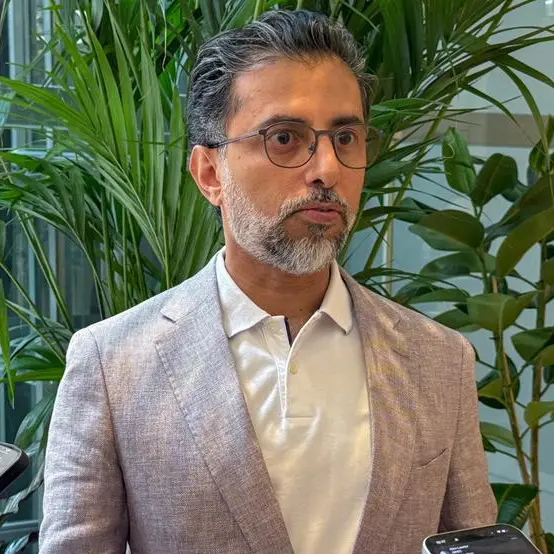
"Our daily sales vary and so do our customers. We have tourists and Qatari buyers, but nowadays more and more Qataris are buying these swords because it's the wedding season," said Mahmoud Sheman, a shopkeeper in Souq Waqif.
He said tourists purchase the swords as souvenir items, while Qataris buy them to be used for celebrations.
The sword has been a symbol of honour and strength in the past. However, in Arab countries like Qatar, the chief function of the sword has evolved, in a way.
Nowadays, it is no more an implement for warfare but used for preserving traditions that are uniquely Arabic, like the ardha dance.
The ardha or the traditional sword dance is performed during religious holidays and national celebrations as well as at weddings and family occasions that celebrate kinship and brotherhood. It traces its roots to ancient Bedouin traditions.
Through the dance Arabic literature and culture have been passed down from one generation to another since it is performed along with the recitation of poetry, to the accompaniment of drums.
The lyrics traditionally speak of chivalry and strength, but are adapted to the occasion.
Swords can also be seen in some landmarks in the country and are used in emblems. Examples are the arch formed by two gigantic swords on Grand Hamad Street, and the two swords in Qatar's coat of arms.
The prices of the swords on sale range from less than QR50 to QR1,000, depending on the size, type, material and craftsmanship.
"This one is the most expensive saif because it is handcrafted and made of high-quality metal," Sheman explained while showing the detailed golden and silver designs on the scabbard and the hilt of the sword.
All the swords are made in Qatar by skilled swordsmiths, he added.
Asked if the swords could be used for fighting, he said, "It's possible; the edge of the sword should just be sharpened, but they are better used as display items."
By Raynald Rivera
© The Peninsula 2008