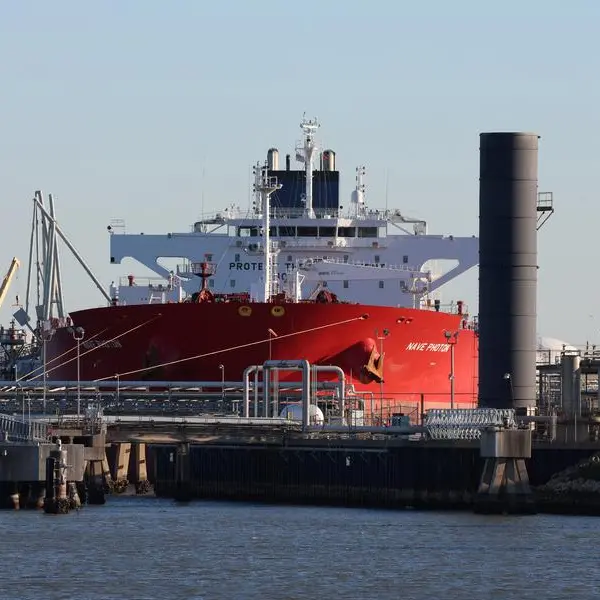
JEDDAH, 13 March 2008 -- The price of oil produced by Organization of Petroleum Exporting Countries (OPEC) has topped the $100-per-barrel mark for the first time, the organization said yesterday.
OPEC's daily basket price, which is always published with a 24-hour delay, rose to $100.57 on Tuesday from $99.48 the previous day, the organization said in a statement.
The basket comprises 13 different crudes from all countries in the organization, which produces about 40 percent of global oil supplies.
The OPEC price is tied to benchmark prices for light sweet crude oil, the highest quality crude, which are set on the main oil exchanges in London and New York.
Brad Bourland, chief economist and head of research at the Riyadh-based Jadwa Investment, said: "The rise in OPEC oil price will lead to increase in trade and budget surpluses for oil-producing countries."
Bourland, however, ruled out any change in spending plans of OPEC member countries. "Spending of oil-producing countries will stay in line with budget projections for this year," he added.
Dr. John Sfakianakis, chief economist at SABB, said: "At the time when the US economy is in a recession, record high oil price is not something auspicious. Speculation plays a large part in driving up oil prices. So is the case with the declining US dollar."
According to Sfakianakis, from a revenue point of view, the OPEC oil producers will benefit.
"But the cost to Western consumers is crossing the level of sustainability and acceptance," he said. "Oil producers can increase output, but this will not contain speculation in the price of oil."
Ihsan Bu-Hulaiga, a prominent economist, said: "Increase in oil prices will bring more revenues to producers in the short run. But if this high price stays for long, then it will threaten the stability of oil as a major source of energy. The high price will make a solid case to look for alternative energy source."
OPEC is under intense pressure from the US to increase its production, but has declined to do so at its meetings, including one in Vienna last week.
Record oil revenues have sparked an investment boom in exporting countries, enabling huge domestic development programs and encouraging national companies to go in search of foreign assets.
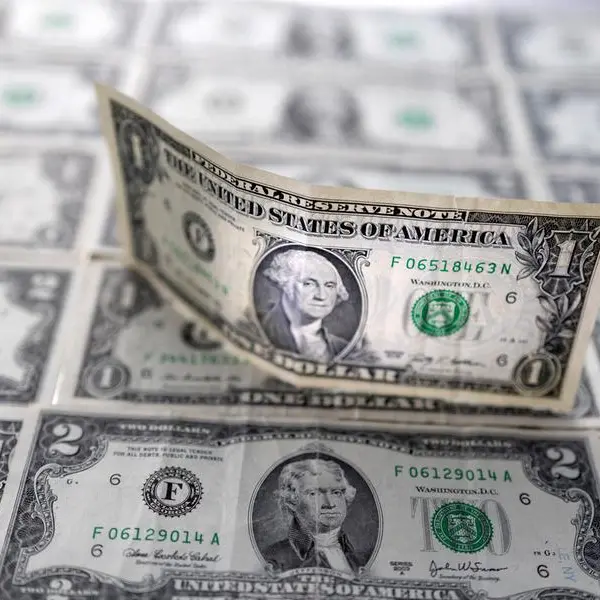
Meanwhile, oil futures set new highs yesterday in response to the dollar's continuing slide as investors shrugged off an Energy Department report that crude oil and gasoline stockpiles jumped last week.
Oil prices fell sharply after the Energy Department's Energy Information Administration (EIA) said crude stocks jumped by 6.2 million barrels last week, more than three times the 1.6 million barrel forecast of analysts surveyed by Dow Jones Newswires.
But the decline was short-lived. The dollar fell to a new low against the euro yesterday, attracting new buyers to the oil market. Crude futures offer a hedge against a falling dollar, and oil futures bought and sold in dollars are more attractive to foreign investors when the dollar is weak. Many analysts believe the dollar's decline is the reason crude futures have surged to new records in 11 of the past 12 sessions, despite the fact that crude supplies have risen 10.2 percent since early January.
"I tend to think that every (price) dip looks like a buying opportunity right now," said Linda Rafield, senior oil analyst at Platts, the energy research arm of McGraw-Hill Cos.
Light, sweet crude for April delivery rose 80 cents to $109.55 a barrel on the New York Mercantile Exchange after earlier rising to a new trading record of $109.85.
The EIA also reported that gasoline supplies rose by 1.7 million barrels last week, well above the expected 300,000 barrel increase, and distillate supplies dropped by 1.2 million barrels, less than the expected 2 million barrel decline.
In London, April Brent crude futures rose 90 cents to $106.15 on the ICE Futures exchange.
By Khalil Hanware
© Arab News 2008