30 November 2008
The fiscal reality takes a positive twist for Gulf oil producers as they are likely to see some inflation relief, according to a Gulf investment bank.
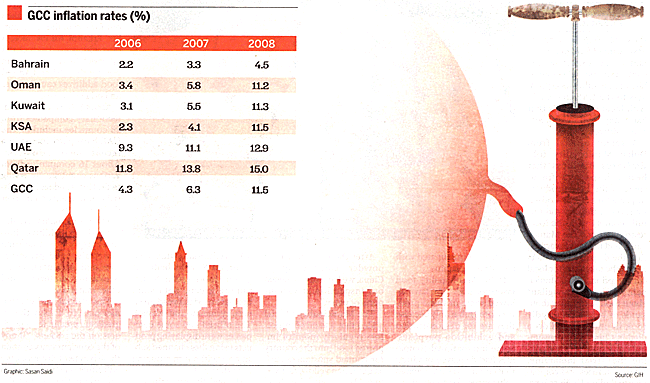
Despite the extreme fluctuation in oil prices, the average of $100 a barrel in 2008 will contribute to the economies of the six Gulf States to record one of the highest levels of climb of around 11.5 per cent. This climb, officials of Gulf Investment House believe, will see a dip next year.
GIH attributed the high inflation this year to the surge in domestic demand because of the economic boom, a sharp rise in rents and food prices due to higher global prices, and the peg of most GCC currencies to the dollar. The level is higher than the rate of 6.3 per cent in 2007 and 4.3 per cent in 2005. The average GCC inflation stood at just 1.7 per cent in 2004.
The report did not provide figures on the 2009 inflation level but according to the Washington-based Institute of International Finance(IIF), the average GCC rate could plunge to 8.5 per cent.
In a study last week, the IIF said the GCC average inflation will likely hit a double digit this year before starting to slip next year. It said the UAE and Qatar would record the highest rates given the sharp rise in their economy.
GCC states have resisted pressure to unpeg their currencies from the dollar despite a steady and rapid rise in inflation.
The fiscal reality takes a positive twist for Gulf oil producers as they are likely to see some inflation relief, according to a Gulf investment bank.
Despite the extreme fluctuation in oil prices, the average of $100 a barrel in 2008 will contribute to the economies of the six Gulf States to record one of the highest levels of climb of around 11.5 per cent. This climb, officials of Gulf Investment House believe, will see a dip next year.
GIH attributed the high inflation this year to the surge in domestic demand because of the economic boom, a sharp rise in rents and food prices due to higher global prices, and the peg of most GCC currencies to the dollar. The level is higher than the rate of 6.3 per cent in 2007 and 4.3 per cent in 2005. The average GCC inflation stood at just 1.7 per cent in 2004.
The report did not provide figures on the 2009 inflation level but according to the Washington-based Institute of International Finance(IIF), the average GCC rate could plunge to 8.5 per cent.
In a study last week, the IIF said the GCC average inflation will likely hit a double digit this year before starting to slip next year. It said the UAE and Qatar would record the highest rates given the sharp rise in their economy.
GCC states have resisted pressure to unpeg their currencies from the dollar despite a steady and rapid rise in inflation.
By Nadim Kawach
Emirates Business 24/7 2008