PHOTO
United States-based project management firm Hill International's incoming chief executive officer Raouf Ghali has told the company's investors that its Middle East operation "has seen strong demand for our services", despite the region contributing a much smaller share of its overall revenues in 2017 as a number of long-term projects were wound down.
In a call with investors on August 23 (a transcript of which was recently published on the company's website), Ghali said that there were more than $300 billion worth of "preconstruction projects pending" in Gulf Cooperation Council (GCC) countries, and that the company was well-positioned to assist in the delivery of these.
"However, the political and economical climate has (had) a slow down in the 2018 award cycle that we expect to improve in 2019," Ghali said. "Additionally, as the Middle East explores several new initiatives to diversify their national economies beyond crude oil, we expect to see many new opportunities for growth."
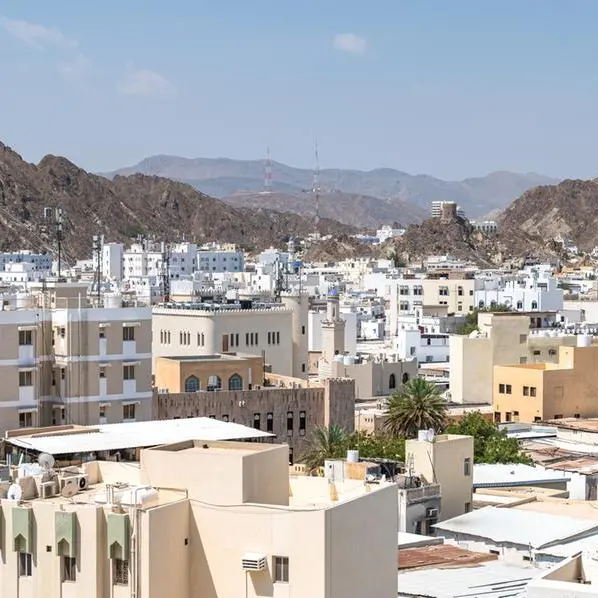
On Saturday, Philadelphia-based Hill International filed its delayed annual report and accounts for 2017, which showed a decline in the amount of revenue generated from its Middle East operations. Total revenue fell by more than 6 percent to $483.7 million, but the share from the Middle East fell to 35.1 percent of this, or just below $170 million, compared to 41.4 percent ($213.6 million a year earlier). Hill said this was due to it closing out work in the United Arab Emirates and Saudi Arabia, as well as a decrease in workload at Muscat International Airport as the new terminal project has moved closer to completion. Notes to the accounts state that by the end of 2017, some 1,134 of 2,705 staff were based in the Middle East.
Hill International reported a profit of $27.4 million for the period, compared to a loss of $33.8 million in the prior year, but the 2017 profit figure included a one-off gain of $48.7 million generated from sale proceeds of discontinued operations. The company completed the sale of its construction claims division to private equity firm Bridgepoint in May last year, and used proceeds to pay down debt.
Ghali, a 25-year veteran with Hill International who takes over as CEO on October 1, also told investors on the call that its North African business "continues to enjoy strong growth", as international funding institutions have been supportive in building new transport and infrastructure projects.
Hill International's shares usually trade on the New York Stock Exchange, but have been suspended as a result of a series of late filings to regulators, as a management team which took charge last year brought in external consultants to help analyse and restate historic accounts.
The company's interim CEO, Paul Smith, told investors on the recent call that it expects its 2018 revenues to be in the range of $430-$440 million, with consulting fee revenues expected make up around $360 million-$370 million of this.
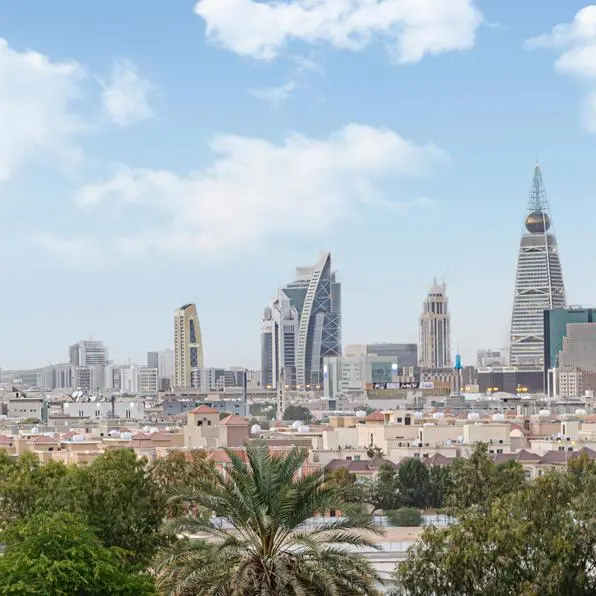
Hill International also said in a separate announcement last Wednesday that it had secured a three-year deal to manage construction of a new regional management office building in Riyadh for Bank Aljazira. It did not disclose a value for the deal.
(Writing by Michael Fahy; Editing by Shane McGinley)
Our Standards: The Thomson Reuters Trust Principles
Disclaimer: This article is provided for informational purposes only. The content does not provide tax, legal or investment advice or opinion regarding the suitability, value or profitability of any particular security, portfolio or investment strategy. Read our full disclaimer policy here.
© ZAWYA 2018