PHOTO
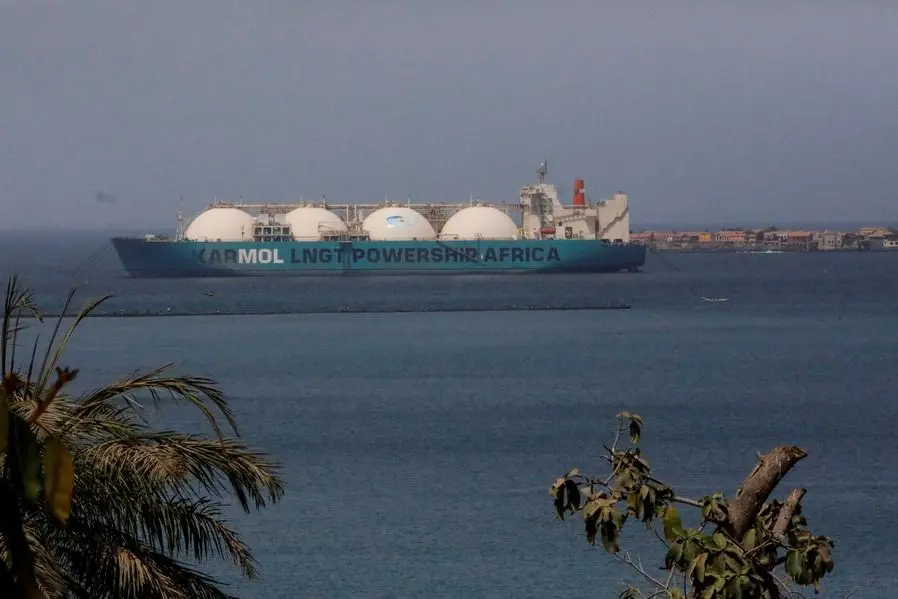
LONDON - The Middle East conflict could result in the loss of around 120 billion cubic metres (bcm) of cumulative liquefied natural gas (LNG) supply between 2026 and 2030, or 15% of expected global supply, due to short-term disruptions to flows and slower capacity growth, the International Energy Agency said on Friday.
* The loss will ultimately be offset by the starting of new liquefaction facilities but the impact on growth will be mostly this year and next and will therefore delay the effects of an expected wave of LNG supply from new projects, the IEA said in its quarterly natural gas outlook.
* LNG supply growth came to a halt in March after the closure of the Strait of Hormuz, which effectively reduced the combined LNG production of Qatar and the United Arab Emirates by around 10 bcm for the month.
* LNG supply losses from Qatar and the United Arab Emirates are expected to total around 20 bcm for March-April.
* "Each month without LNG cargoes transiting the strait results in around 10 bcm of LNG supply loss," the IEA said.
* In addition, damage caused by attacks on Qatar’s LNG facilities could reduce the country’s LNG output by nearly 70 bcm by 2030, assuming a repair period of four years.
* Delays to QatarEnergy's North Field East expansion project could also reduce LNG supply by nearly 20 bcm over the 2026-2030 period.
* The IEA said the duration of the closure of Hormuz will continue to affect demand this year and lead to a downward revision of its demand forecasts.
(Reporting by Nina Chestney Editing by Tomasz Janowski)