PHOTO
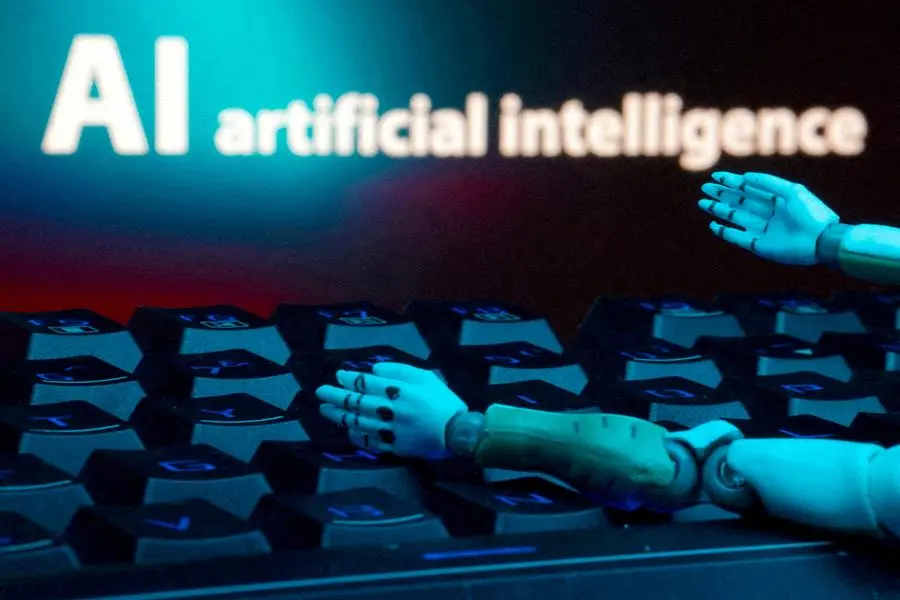
Artificial intelligence is transforming industries at an unprecedented pace, but behind every AI model, chatbot and image generator lies an often overlooked reality: electricity.
The rapid expansion of artificial intelligence is triggering a surge in global electricity demand as technology companies race to build larger data centres capable of processing enormous amounts of information. While AI is expected to accelerate innovation across healthcare, finance, education and manufacturing, it is simultaneously creating one of the energy sector’s greatest challenges: how to provide vast amounts of reliable, affordable and low carbon power.
Unlike many industrial facilities, AI data centres operate continuously, requiring uninterrupted electricity around the clock. This makes them difficult to supply using renewable sources alone because solar and wind generation fluctuate with weather conditions and time of day. The challenge is prompting governments, utilities and technology companies to rethink how future power systems are designed.
According to the International Energy Agency’s latest State of Energy Innovation report, advances in energy technologies, from next generation geothermal energy and sodium ion batteries to perovskite solar cells, are accelerating rapidly. At the same time, innovation is increasingly focusing on making electricity systems more flexible rather than simply adding more renewable capacity.
Around the world, electricity demand is rising faster than many forecasts anticipated, driven by electrification, air conditioning, industrial growth and the emergence of AI infrastructure. This is shifting attention towards energy storage, smarter grids and flexible demand management, all of which are becoming essential for integrating larger shares of renewable energy.
Technology companies are also reshaping renewable energy investment. Several major firms have signed long term agreements to purchase clean electricity directly from renewable developers, providing financial certainty for new projects. Interest is also growing in advanced geothermal energy, which can provide carbon free electricity continuously rather than only when the sun shines or the wind blows. Recent developments include plans for the world’s largest enhanced geothermal power plant, highlighting growing confidence in the technology as a stable source of renewable baseload power.
Artificial intelligence is not only increasing electricity demand but is also becoming a tool for managing it. Utilities are beginning to use AI to forecast renewable generation, predict electricity demand, optimise battery charging and improve grid stability. In effect, AI is becoming both a driver of electricity consumption and part of the solution for operating increasingly complex power systems.
For Oman, these developments present both opportunities and important strategic questions.
The Sultanate of Oman has already established ambitious renewable energy targets while positioning itself as a regional hub for green hydrogen production. As investment in digital infrastructure grows globally, countries capable of supplying low carbon electricity could become attractive destinations for future data centres and energy intensive industries seeking cleaner power.
Oman’s abundant solar resources, expanding renewable portfolio and growing expertise in large scale energy projects could place the country in a favourable position to benefit from this emerging trend. However, success will depend not only on generating renewable electricity, but also on strengthening grid flexibility, investing in energy storage and continuing to modernise the electricity network.
The next phase of the energy transition will not simply be about producing more renewable energy. It will be about ensuring that clean electricity is available whenever it is needed. As artificial intelligence becomes embedded in everyday life, the future of digital innovation and the future of renewable energy will become increasingly inseparable.
2026 © All right reserved for Oman Establishment for Press, Publication and Advertising (OEPPA) Provided by SyndiGate Media Inc. (Syndigate.info).