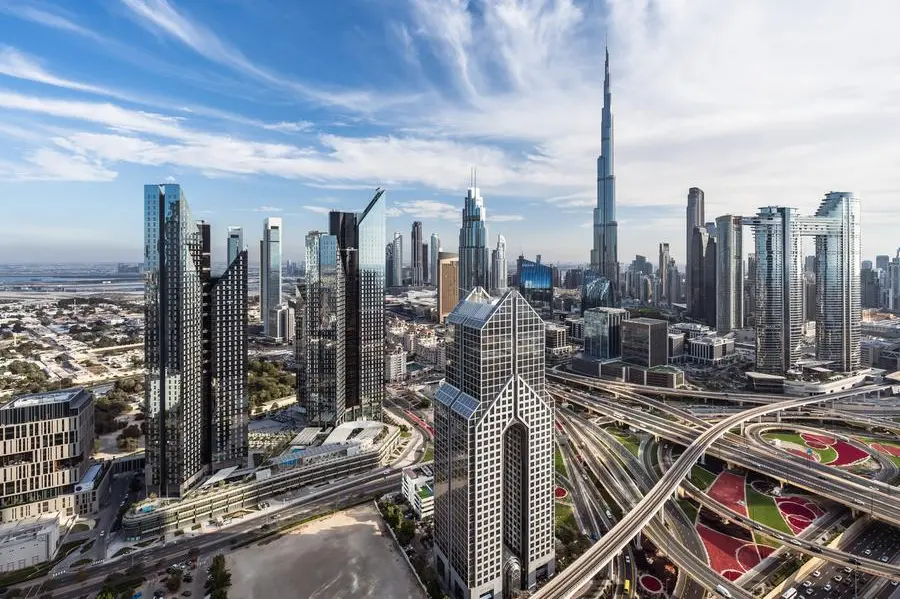
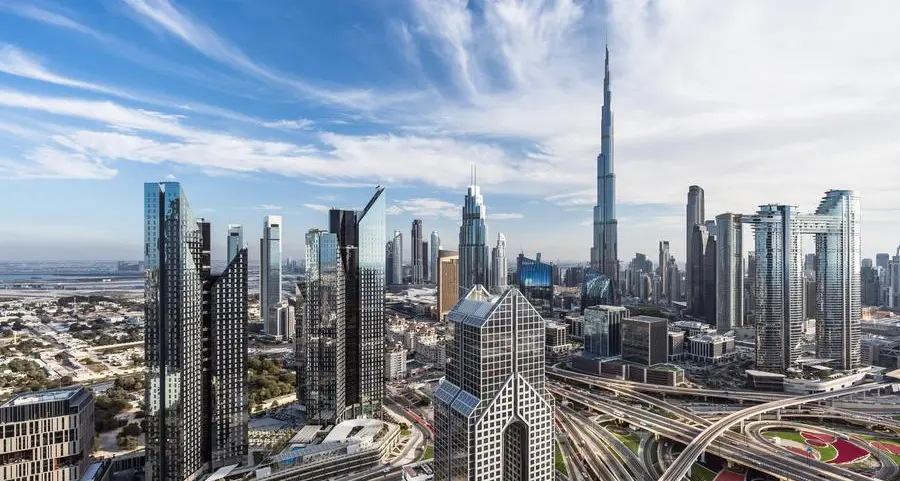
Increasing urbanisation, population and economic growth will result in demand for electricity in Dubai doubling by 2015 and the emirate is looking at the sun and the wind to help meet its needs.
"Even under modest growth scenario, Dubai's electricity demand is expected to double by 2015," said His Highness Sheikh Mohammed bin Rashid Al Maktoum,VicePresident and Prime Minister of the UAE and Ruler of Dubai, in an interview to Pipeline magazine, which will be published next week.
"Trying to stay ahead of that kind of growth is going to become more and more challenging, he said.
The scenario is the same across the GCC. Installed power capacity in the GCC has grown at a compounded annual rate of 2.6 per cent from 2002 to 2005, reaching 62,807MW, with almost half said a study by the United Nations Economic and Social Commission.
Peak load in the GCC over the same period has averaged 84 per cent of capacity, with governments aiming to keep 20 per cent for emergencies.
The UN forecasts a shortfall of 35 per cent across the GCC by 2015, with the UAE expected to suffer from power shortages by 2012.
Dubai's power consumption in 2006 rose nearly 30 per cent, said Dubai Electricity and Water Authority.
Sheikh Mohammed said the emirate's use of energy was inefficient and among the highest per capita in the world.
"There seems to be no doubt in anyone's mind that better energy conservation is a key initiative going forward for Dubai," he said.
Around 14 per cent of peak electricity demand could be saved by 2015 through a demand management programme, he said, adding that the best option for Dubai would be solar.
The UAE lies in what is described as the earth's sun belt. The yearly solar radiation for the UAE is believed to be around 2,200 kilowatthours per square metre, the second highest in the world.
"There is a huge amount of solar exposure in tracts of the UAE desert," said Dr Galal Osman, vice-president of the World Wind Energy Association.
Sheikh Mohammed told Pipeline magazine that government was also studying the use of wind power.
"Solar cooling will be a further step in combination with more energy-efficient houses. The technology for solar cooling [has] a huge potential," Berthold Breid, Project Manager of Renewable Energy with the German energy agency Dena, recently told Emirates Today.
If Dubai could produce 200MW of renewable energy it would reduce carbon emissions by 1.5 million tonnes per year, Sheikh Mohammed said.
By Yazad Darasha
© Emirates Today 2007