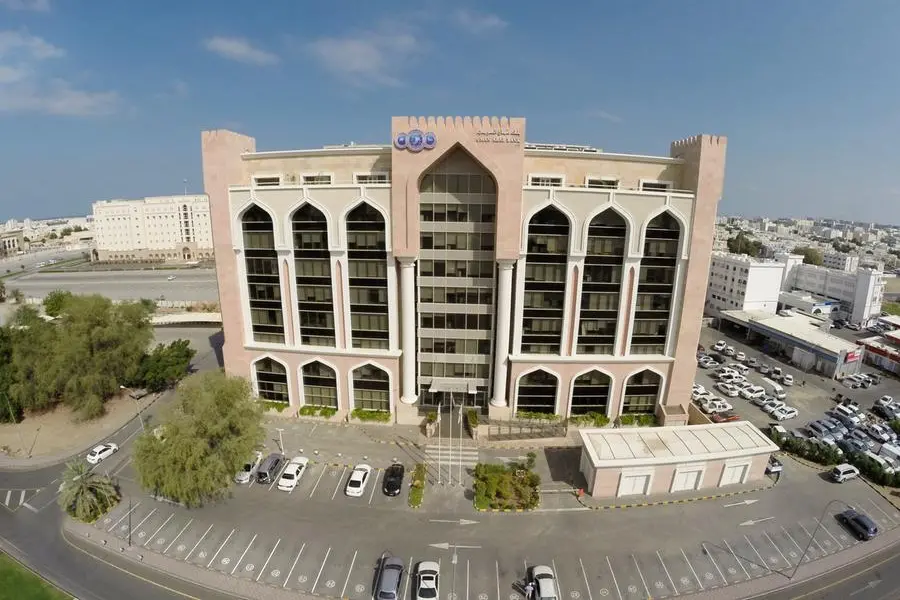
MCB Bank, one of the leading financial institutions in Pakistan, has deployed a core banking solution across its network of over 1,100 branches. Banker Middle East spoke to the man in charge of the bank's ambitious core banking transformation
MCB has a customer base of over four million, a nationwide distribution network of over 1100 branches and over 450 ATMs in a market with a population of 168 million. MCB Bank is using Ambit's Core Banking solution in conjunction with the Islamic banking solution as the core system to support its business. Atif Bajwa, the President and Chief Executive of MCB Bank gave Banker Middle East a heads up on its ongoing core banking transformation.
You have close to 1100 branches in Pakistan, but how do they differ from a technological aspect?
The branches are distributed across the Tier 1 cities, the Tier 2 cities and across the rural areas. One of the requirements by the Central Bank was that as banks got larger, they dedicated a certain number of those branches to the unbanked and under-banked areas. The difference between the largest cities is not as much, but we categorise the branches by their size and the numbers of products they sell and the level of sophistication of the customers they cater to.
The Category A branches will provide the whole range of services across all income segments, while utility bill payment products have to be accessible throughout all branches, regardless of income level or branch category.
But some banks, given the diverse economic spread of Pakistan are going to be more or less sophisticated than others, aren't they?
A certain level of technological standardisation is required across the branch range. All branches must be connected with a minimum size of link. Each bank must have a primary and secondary link and it must be connected to the core banking system. That core banking system allows the branch to access a whole range of transactions.
There may be some degree of control function that we employ, for instance by preventing some smaller branches from undertaking lending transactions or where there is a concentration of small and medium enterprise sectors. There may be other restrictions placed on what certain branches are selling and the associated risk profiles for a given region, as well as the level of managerial skill set we have in that area.
Is it a matter of diversifying and controlling access?
The technological access has to be there to control what the branches can and cannot do. For the first time we have been able to have close to 1100 branches connected by an online, real time core banking system and that was done by our core banking software provider, Sungard.
Sungard doesn't have, to the best of my knowledge, any bank of this size on its books. We are a first for them and I think we can be a showcase for larger branch rollouts. The technology has to continue to evolve and we are looking forward to more advanced processes to help take our branches to the next level of service capability. We and our customers are now much happier because they can now conduct transactions between branches, which was not the case until last year.
What does MCB want to achieve with the rollout of the core banking system?
We want to be the most efficient bank and the best bank at transactions. We should be the most convenient and the best placed for that. That means we have to invest in technology to help make transactions faster and cheaper. Mobile banking is part of that; investing in Sungard and its related systems is part of that.
In the future, it should mean that the amount of times any customer, even the corporate customers, have to come to a branch is reduced. We want the customer to feel that the bank will come to them electronically. If a corporate customer wants to open a letter of credit or any other type of transaction, then they should be able to do it from their own desk and we are investing in the technology that makes it happen.
© Banker Middle East 2010