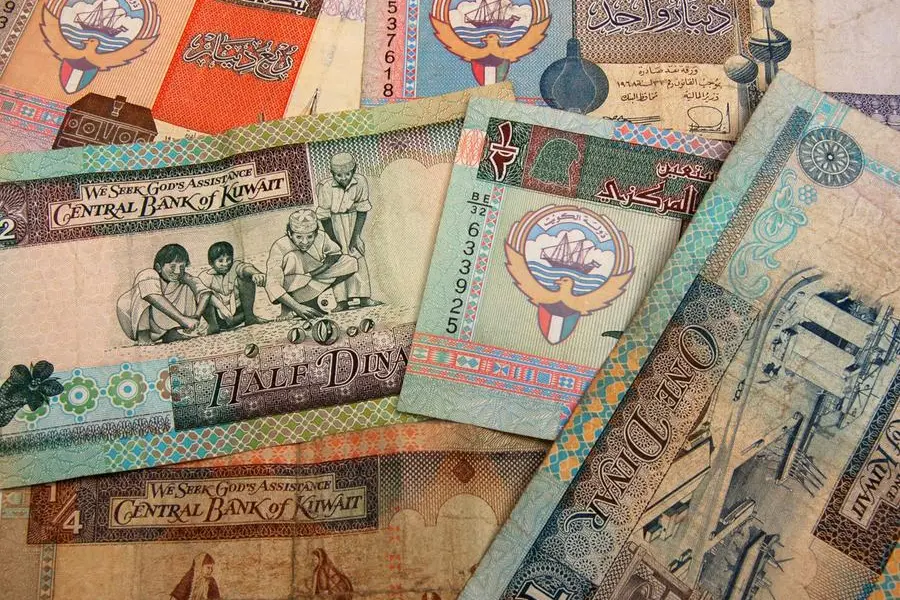
KUWAIT, Nov 25 (KUNA) -- The sum of consumer loan debt stands only at KD 1.2 billion owed in 303,473 loans, Finance Minister Bader Al-Humaidhi said in a debate organized by local "Al-Rai" satellite TV station in cooperation with Kuwait Economic Society.
The minister said, in the Friday night debate, that the government opposes the parliament bill on writing off loans "in its current text" which is seriously flawed. He said the government's attendance of the parliament session on the bill Monday shall be decided upon in the cabinet meeting Sunday.
He further pointed out there are only 8,864 loans in default, which is only 2.9 percent and below the international average of six percent. A bill to write off loans amid such circumstances would not be just as it does not cover all types of loans. Company loans financing purchase of autos and consumer goods that are not under Central Bank supervision are not included, he said in an example.
During the televised debate, 65 percent of those who called the program said writing off loans is not an adequate solution to the economic problems troubling citizens.
Al-Humaidhi remarked there should not be confusion and connection between the loan write off and the financial aid and easy loans offered by Kuwait Fund for Economic Development. The latter, he stressed, is the state's safeguard and strategic policy to guarantee international support against any external threat.
The minister further pointed out that the bulk of sums the fund gave out in loans was reimbursed and that the fund relies on its own financial resources, not state funding.
In an interjection during the debate, Dr. Bahaedeen Al-Seleimi was on the other side of the fence, so to speak, and said there are several groups within the Kuwaiti society that suffer the strain of low income. Writing off loans is one way to help them face economic difficulty, he said.
The participant cited precedents where the government agreed to shoulder the weight of the loans of businessmen and companies in the Manakh stock market crisis.
Souk Al-Manakh, the state's unofficial stock market, collapsed in 1982 leaving many investors and creditors with severe losses.
In response to this interjection, the minister said there can not be solid ground for comparison between the previous government position and laws issued in relation to that crisis and the current bill.
The objective back then was to save the whole bank system, which is the state economy's backbone. Those affected by that crisis were around 600,000 Kuwaitis, which is over 85 percent of the population. The state 'had no choice but to intervene' and counter a financial and humanitarian disaster, he stated.