PHOTO
Stocks fell and oil rose on Tuesday as investors assessed the stalemate in the Iran conflict and worried the AI boom was losing momentum, while the dollar climbed.
The U.S. was reviewing Tehran's latest proposal to resolve the war. A U.S. official said President Donald Trump was unhappy with the plan as it did not address Iran's nuclear programme.
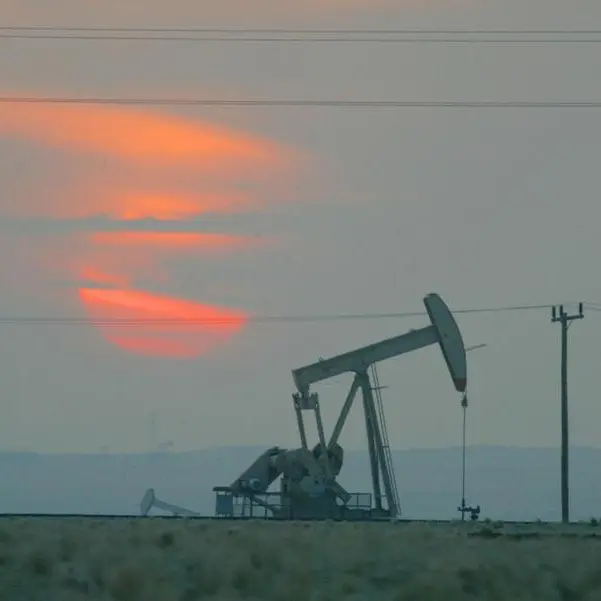
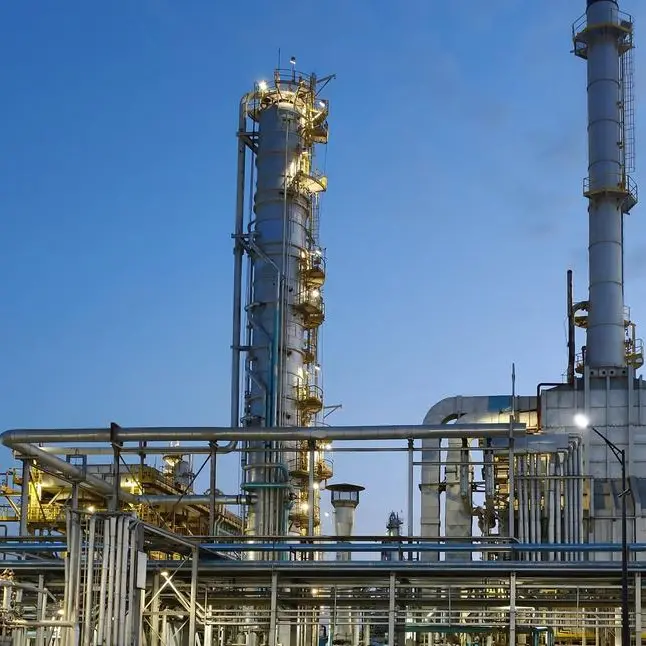
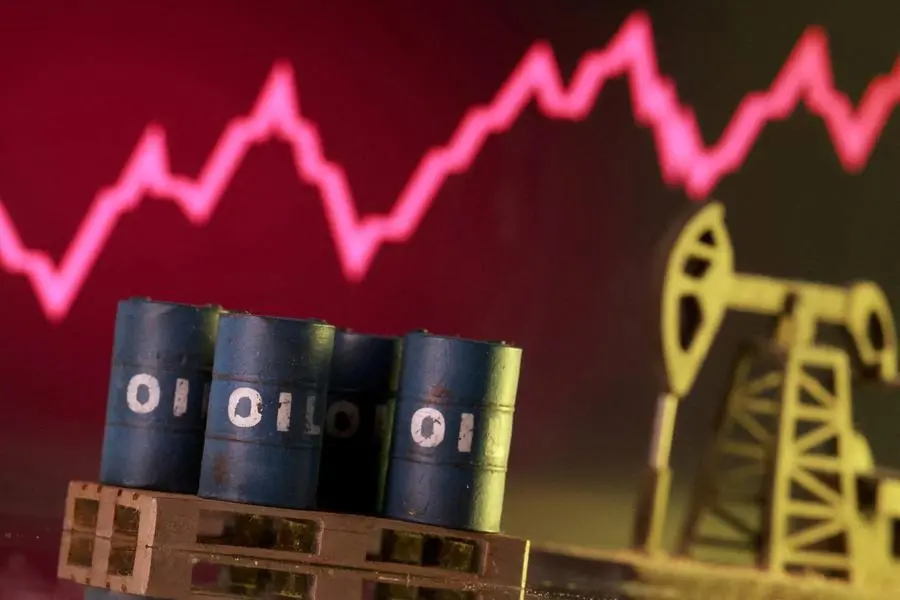
The two-month-long conflict is at an impasse and energy and other supplies are still failing to cross through the critical Strait of Hormuz, pushing oil prices above $110 a barrel on Tuesday.
Brent crude oil rose 3% to $111.40 a barrel, a three-week high, while U.S. oil was up 3.8% at $100.
EARNINGS SEASON AND AI IN FOCUS
Oil prices have steadily climbed in recent days as hopes have ebbed for an imminent peace deal, pushing up bond yields around the world .
Futures for the U.S. benchmark S&P 500 stock index fell 0.7% on Tuesday, while those for tech-focused Nasdaq dropped 1.3%.
"Earnings season has helped markets look through the disruption, but the longer key oil flows remain constrained, the greater the risk that higher energy costs begin to bite," said Matt Britzman, senior equity analyst at Hargreaves Lansdown. Tech stocks related to OpenAI, such as Oracle and CoreWeave, fell in pre-market trading after the Wall Street Journal reported the company has missed its goals for new users and revenue in recent months.
Europe's STOXX 600 index dropped 0.5%, with the tech sector down 1.7% as investors focused on concerns about the boom in AI spending.
The U.S. S&P 500 hit another record on Monday after rising for four weeks on optimism over a possible peace deal and ongoing excitement around AI.
But investors are focusing this week on earnings from U.S. tech giants Microsoft, Alphabet, Amazon , Meta Platforms and Apple that will test the AI-driven rally.
Elsewhere, the dollar index climbed 0.4% as the pound fell 0.5% and the euro dipped 0.35% . The dollar has been one of the few safe-haven assets during the Iran conflict, although it has given up many of its March gains in the last few weeks.
"The twists and turns of U.S.-Iran peace negotiations continue to buffet markets," Nick Rees, head of macro research at Monex Europe, said, adding doubts over the progress of peace talks had pushed the dollar higher.
BANK OF JAPAN SPLIT ON RATES
The BOJ left short-term rates unchanged on Tuesday at 0.75%, in the first of several central bank meetings this week that could provide evidence of the conflict's economic impact.
"The 6–3 vote split and the stronger language on future policy adjustment suggest the bar for another hike may be falling," said Charu Chanana, chief investment strategist at Saxo.
The yen initially strengthened but was last around 0.2% lower at 159.68 per dollar, putting it near 160. A breach beyond that threshold has markets worried Tokyo might step in to support the currency.
Japan's Nikkei stock index fell 1% from a record high hit on Monday. Global monetary policy is in focus this week, with the U.S. Federal Reserve, the Bank of England and the European Central Bank due to announce decisions after the BOJ.
All are expected to keep rates unchanged but market attention will be on comments from policymakers on pricing pressure.
(Reporting by Harry Robertson in London and Ankur Banerjee in Singapore; Editing by Bernadette Baum and Barbara Lewis)