With product functions becoming more homogeneous, design elements such as colour are becoming crucial differentiators, says study.
We live in a visual age. Smell and sight were important in the prehistoric era of man. In our current state, vision has become the primary source for all our experiences. About 80 per cent of what we assimilate through the senses is visual.
A strong visual experience is critical to a consumer's overall perception of a brand.
In 2009, TNS conducted syndicated research in Saudi Arabia and the UAE to understand people's favourite colour and its respective associations.
The study found that 92.6 per cent of respondents put most importance on visual factors when buying products and 84.7 per cent said colour accounts for more than half of the factors important in choosing products. Only 5.6 per cent said touch was most important, while sound and smell each drew 0.9 per cent.
This underlines the impact a product's design has on commercial success. While not a substitute for performance, design has become a key differentiator, especially with features and price increasingly narrowed or flattened. There is a shift from "form follows function" to "feelings follow form" and then "form follows emotion".
Design, however, is not just visual experience. It is a culmination of several experiences at different levels. TNS created a framework (see page 26) to decode design as part of the brand proposition.
Colour, in particular, is a critical element affecting us at a subconscious level. Reactions to colour are instinctive and often cross cultural boundaries. They can convey messages beyond ethnicity, race or gender.
Seen through our framework, for example, yellow is a flashy colour, associated with being youthful and distinctive while blue is a more professional and mature hue and is seen as classic and more formal. As for emotional connotations, yellow reflects vibrancy and optimism, while blue typifies authority, intelligence and conservatism.
Cultural colours
Colour holds strong associations in the mind of the Arab consumer that are steeped in tradition, yet tempered with a contemporary awareness and sensitivity. Ability to understand and monitor these trends as they evolve will determine which companies reach for gold and which face red in their balance sheets.
Calming blue
Blue is most preferred by Arabs across gender and age. Meanwhile, yellow, red and pink are seen as attractive and exciting. The preference for blue - aside from black and white - indicates that, given the hectic lives Arabs now lead, they prefer serenity over excitement. In apparell, blue is also favoured by young men and children.
In black and white
While blue, pink, red, green and yellow bring up vivid imagery associations, for practical use black and white rules in the region. Black is considered prestigious and sophisticated, and a preferred colour for apparel, gadgets and cars.
Pretty in pink
Pink is not unexpectedly seen as the most feminine and sensuous colour. It is also strongly associated with children, as it is favoured for children's rooms.
A sizeable opportunity also still exists for pink among women, even as more now go for black and silver for mobile phones, laptops and TVs. This is especially true as women are increasingly taking part in decision-making that is traditionally dominated by men.
Gold and silver shine
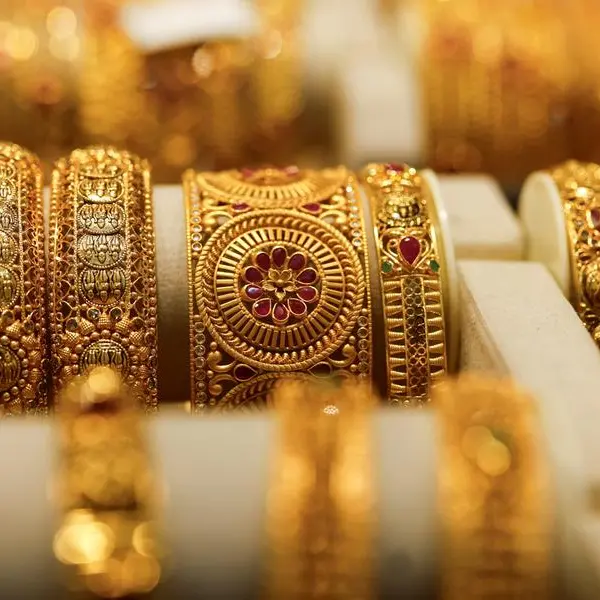
Historically, the region recognises gold as a symbol of royalty. It is also seen as prestigious, exciting and cheerful, and an obvious, though perhaps overdone, symbol of the rich.
Silver, alternatively, has a strong influence on men; their preference for silver in their electronic gadgets and cars is second only to black. It most strongly conveys modernity.
Consider all these, what's important is to remember is that consumers do not turn their emotions on and off, so nor should the marketer. Managed well, emotions allow for the creation of something unique, something competitors cannot copy, and for which consumers will pay a premium - and in so doing, emotion turns products into brands.
It is about ensuring every element of the marketing and media mix is consistent, and sends the right functional and emotive messages.
© Gulf Marketing Review 2010