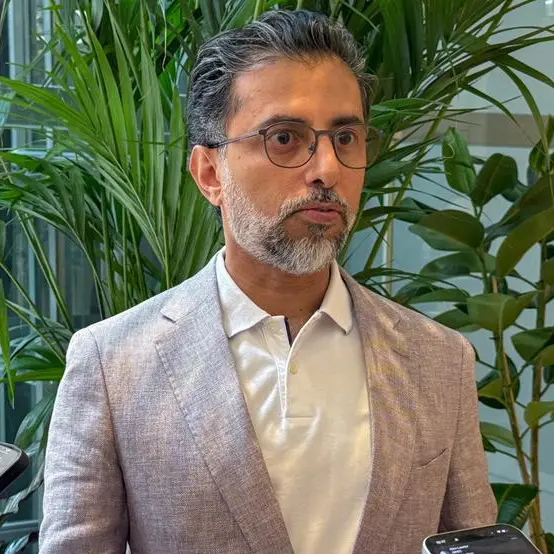
The appointment of Morocco's new prime minister is meeting mixed reactions among members of the public.
King Mohammed VI on Tuesday (November 29th) appointed Morocco's first-ever Islamist prime minister. Abdelilah Benkirane, head of the moderate Islamist Justice and Development Party (PJD), "will be responsible for forming the new government", the palace said.
The PJD, which has sworn allegiance to the monarchy, won 107 of the 395 seats in parliament.
Benkirane was born in Rabat in 1954. On a number of occasions he has expressed his opposition to the monarchy, but some now consider him a supporter of the king. He is a member of the higher education council and a former member of the special committee on education and training. Benkirane was elected secretary-general of the PJD in Rabat on July 20th, 2008.
The appointment came as a surprise to many, with some expecting the post to go to former PJD leader Saâdeddine Othmani.
Political analyst Magid Ibrahimi noted that the constitution says the leader of the executive body of the party which comes first in the elections must be appointed a position in government, but it does not specify to which post.
"For this reason, some people thought the sovereign would not go for Benkirane. He's well-known for his forthrightness, which has sometimes made things uncomfortable for other politicians and the government," Ibrahimi told Magharebia.
Ibrahimi added that the decision may have been a result of the recent adoption of a new constitution, which many felt was an intervention in Moroccan political life. Benkirane is known to be forthright and popular among the public. Ibrahimi suggested that this may have been a conciliatory move, since Morocco needs to make a clean break with the practices of the past.
Benkirane's appointment will no doubt delight many Moroccans because of the politician's spontaneity and his readiness to tackle the issues of normal daily life, according to sociologist Samira Kassimi. Benkirane, she said, is well known for his humour and verve but, at the same time, there is a feeling that the man has a tendency to act before thinking.
"Everyone remembers Benkirane's reaction in Parliament in 2001 to a female camera operator because of the clothes she was wearing. There is a fear that the new head of the government could meddle in Moroccans' private lives, and particularly women's lives," Kassimi said.
Among the public, reactions have been mixed.
Teacher Siham Nadouri said that Benkirane now needed to be more serious in what he says, without turning to the stonewalling used by most politicians. "The issue here is Morocco's image. The PJD wants to paint a good picture of moderate Islam for the West. I think he's an intelligent man who knows what he's doing," she said.
Meanwhile, student Hind Zerzouri said people expect the king to play his role as mediator, to call the new head of the government to order if need be. "I'd have liked the sovereign to appoint someone else. The PJD has other leading lights that could have represented Morocco better."
© Magharebia.com 2011