PHOTO
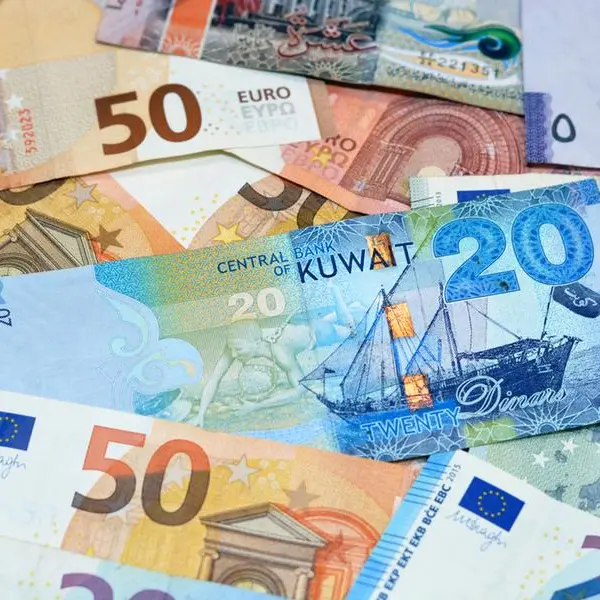
Deputy CEO of an exchange company, Dr Mohammad Amjad Mousa affirmed that Ramadan is an exceptional season for remittances, with transaction volumes increasing annually by 20 to 30 percent compared to other months, peaking in the last 10 days.
He indicated that this increase is linked to several social and economic factors, chiefly family remittances to cover Ramadan and Eid Al Fitr expenses, the sending of zakat and charitable contributions, and the disbursement of salaries and bonuses before the holiday, leading to a high concentration of transactions over a short period.
He also noted that his company launched several initiatives during Ramadan, including offering competitive exchange rates for limited periods and running awareness campaigns to encourage clients to use digital channels for their speed, convenience, and security, reflecting digital transformation as a strategic pillar in enhancing operational efficiency. Data from the Qatar Central Bank underline the broader significance of remittances to the national economy.
Workers’ remittances rose by 10.8 percent year-on-year in the third quarter of 2025, reaching QR10.768 billion, while total remittances abroad amounted to QR32.4 billion during the first nine months of the year.
Ramadan in Qatar is not merely a financial season. It is a reflection of a diverse society united by shared values, where economic activity becomes a channel for expressing generosity, social responsibility, and enduring family bonds across borders.
© Copyright Qatar Tribune. All Rights Reserved. Provided by SyndiGate Media Inc. (Syndigate.info).