PHOTO
The UAE’s banking outlook remains “upbeat” in the short- to mid-term with “favourable macroeconomic conditions and solid bank-level fundamentals” driving momentum, according to CI Capital Research.
While Saudi Arabia’s momentum remains strong, the ‘GCC banks strategy’ report highlights factors weighing on the kingdom’s outlook, including rising fiscal deficits, project rationalisation, reducing oil prices, and tightening system liquidity.
In contrast to the UAE, most Saudi banking stocks “are trading at or near historical valuation lows”, likely reflecting concerns on growth and profitability prospects, the report said.
Current valuations appear to price in an overly pessimistic scenario, suggesting that risk-reward balance for Saudi banks “is increasingly skewed towards upside rather than downside catalysts for the sector.”
The recent political turmoil in Venezuela and the developing geopolitical situation in Iran adds another layer of risk, creating uncertainty around the outlook for oil prices, the report cites.
Yet, despite these concerns, the report maintain a positive view for Saudi in the long-term, with Saudi banks occupying six positions off their top seven names on the scorecard.
Top GCC banks
From the top GCC lenders, the report cites ADCB in top place based on a “superior growth profile and undemanding valuation.”
Emirates NBD also makes it to the list from the UAE, replacing First Abu Dhabi bank, based on the former’s “compelling risk-return profile and near-term margin tailwinds from Turkey.”
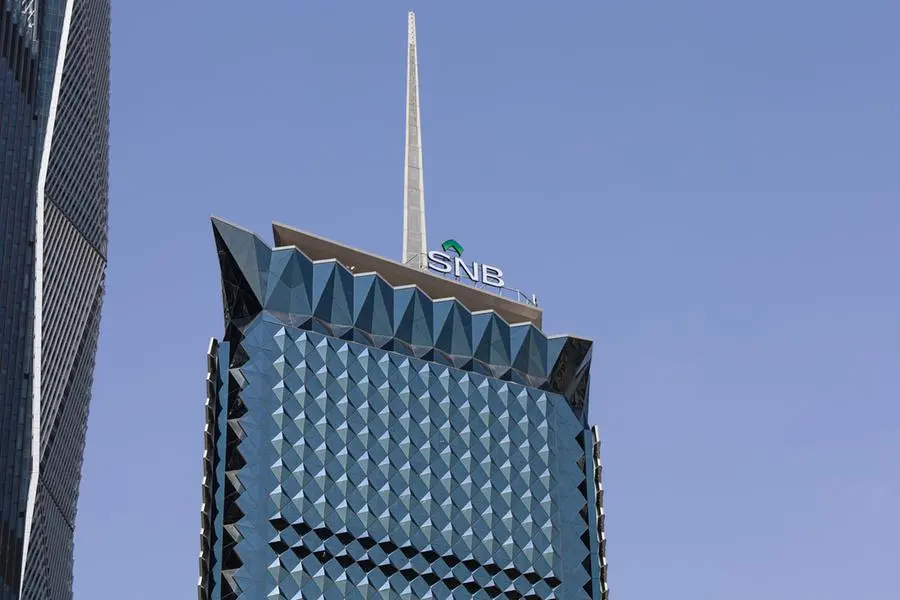
Saudi lenders in the top few include SNB, which CI Capital Research describes as its “top fundamental pick in both MENA and Saudi Arabia”.
The kingdom’s Al Rajhi Bank also makes it to the list, with the report citing the lender as the “prime beneficiary” of the Foreign Ownership Limit (FOL) removal on the Saudi Exchange (Tadawul), an initiative by the government to eliminate historical caps on foreign investment in listed companies.
Other GCC banks making the cut include the HSBC-affiliated Saudi Awwal Bank and Kuwait’s NBK.
(Writing by Bindu Rai, editing by Seban Scaria)