PHOTO
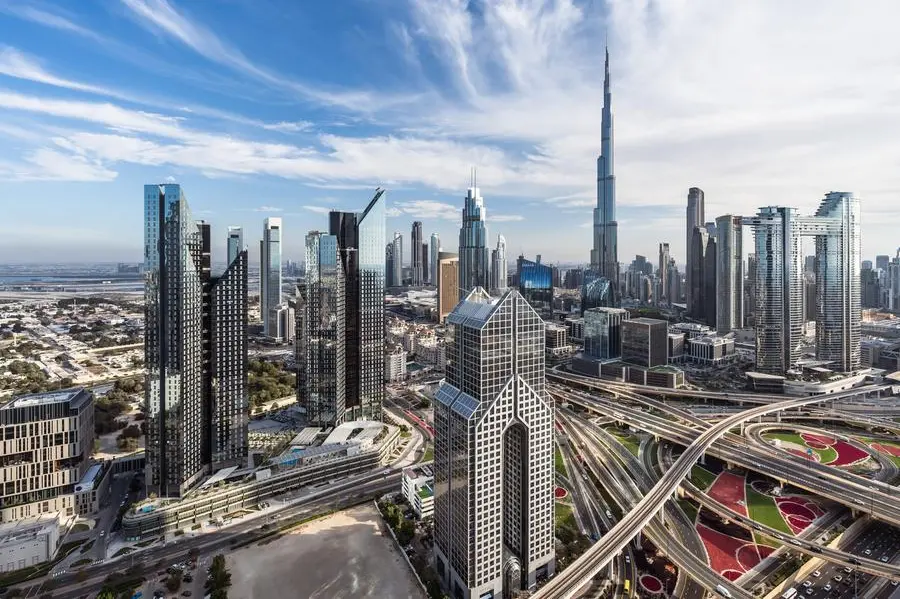
Dubai is unlikely to raise substantial debt over the next two years amid expectations of fiscal surpluses between 2025 and 2028, S&P said in a new report.
“This follows a significant debt reduction and resilient economic growth over the previous three years, as well as the ongoing expansion of the sizable value-added services sector,” analyst Olivia K. Grant and team stated.
The emirate has, however, announced major infrastructure initiatives that will require phased debt financing. These include AED35 billion ($9.5 billion) Al Maktoum International Airport expansion, AED30 billion Tasreef rainwater drainage project, slated for completion by 2033, and AED20.6 billion Dubai Metro expansion.
The rating agency expects the Dubai Debt Management Office to leverage public-private partnerships and alternative financing mechanisms to reduce reliance on large-scale debt issuance.
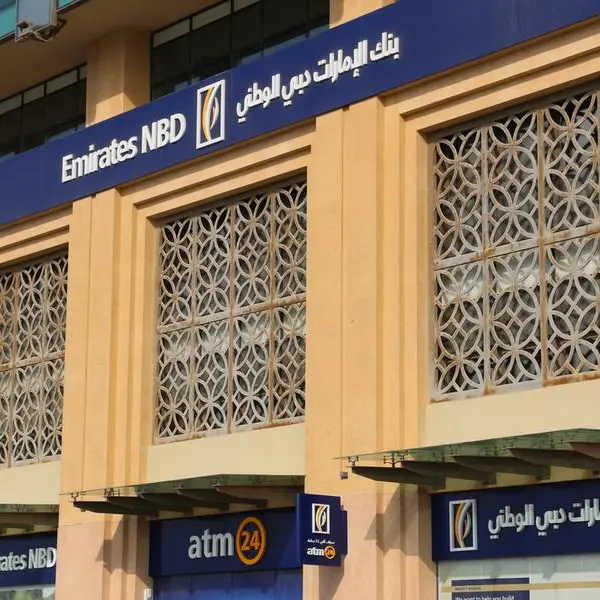
According to S&P, Dubai’s total public sector debt, including government-related entities' debt, is projected to remain at around 64% of GDP in 2025. This includes contingent liabilities of 34% of GDP and general government debt close to 29-30%, which factors in a loan from Emirates NBD amounting to 10% of GDP.
The contingent liability estimates are based on publicly available financial statements and data from the International Monetary Fund, the report said.
Government debt to stabilise
S&P forecasts Dubai's gross general government debt to stabilise, down from 32% in 2024 and a peak of 79% in 2020.
As of June 2025, total government debt outstanding stood at AED112.4 billion (about 20% of GDP). The government repaid about AED18.8 billion ($5 billion) of debt in the first half of this year, including a part of the Emirates NBD bank loan.
“We assume the government will repay commercial debt upon maturity, while rolling over the remaining AED53.4 billion joint facility provided by Abu Dhabi and the Central Bank of the UAE, as well as other facilities,” the rating agency added.
Diversification benefits
Meanwhile, the emirate’s real GDP growth will average 2.9% over 2025-2028, given the economy's high level of diversification.
Dubai’s economy has remained buoyant for nearly two decades and expanded by an average of 3.5% over 2007-2024 despite persistent regional geopolitical tensions.
“Dubai has outperformed other Gulf Cooperation Council (GCC) countries, expanding by 3.2% in 2024, compared with the region's average real GDP growth of 1.5%,” the report said.
Consumer price inflation is anticipated to remain modest at about 2.5-3.0% over 2025-2028, despite higher tariffs.
The peg of the UAE dirham to the US dollar helps stabilise inflation in the emirate, supported by administered pricing on several basic goods, the report said.
(Editing by Brinda Darasha; brinda.darasha@lseg.com)