PHOTO
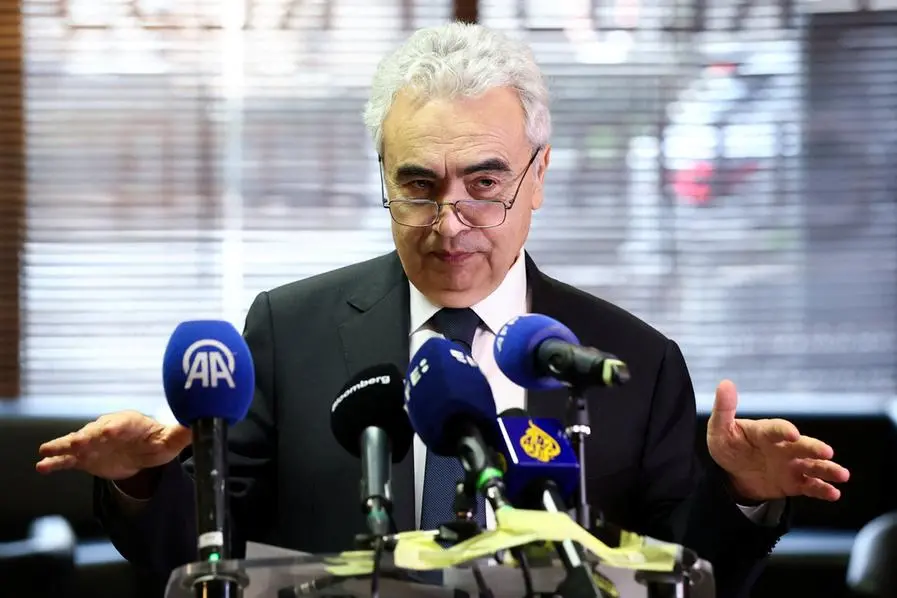
Fatih Birol, executive director of the International Energy Agency (IEA), said on Monday that the crisis in the Middle East is ‘very severe’ and worse than the two oil shocks of the 1970s combined, as well as the impact of the Russia‑Ukraine war on gas.
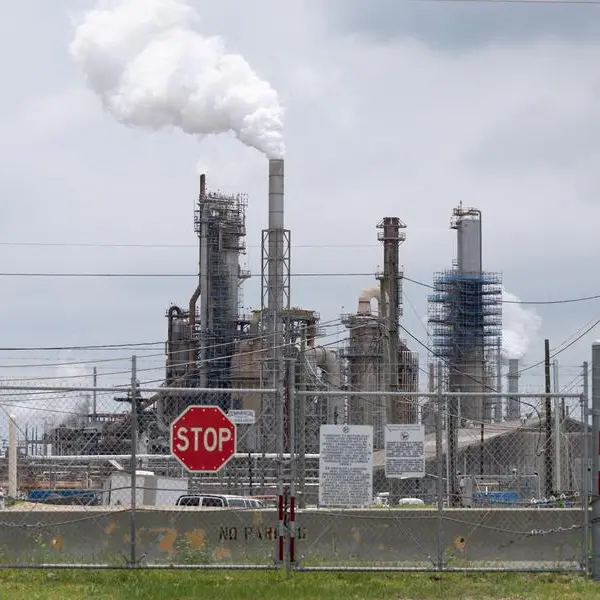
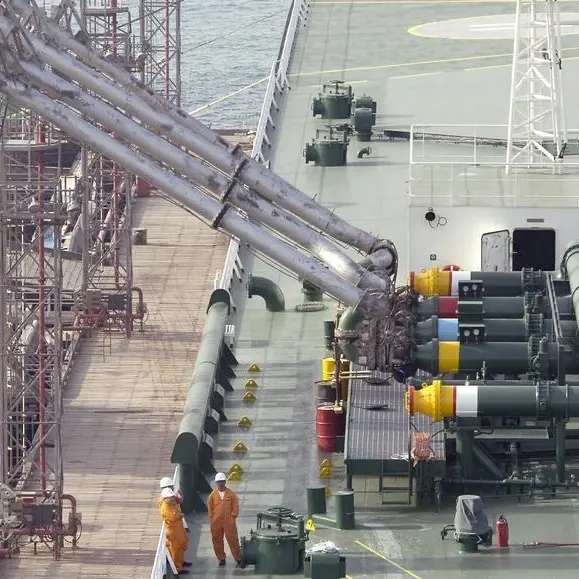
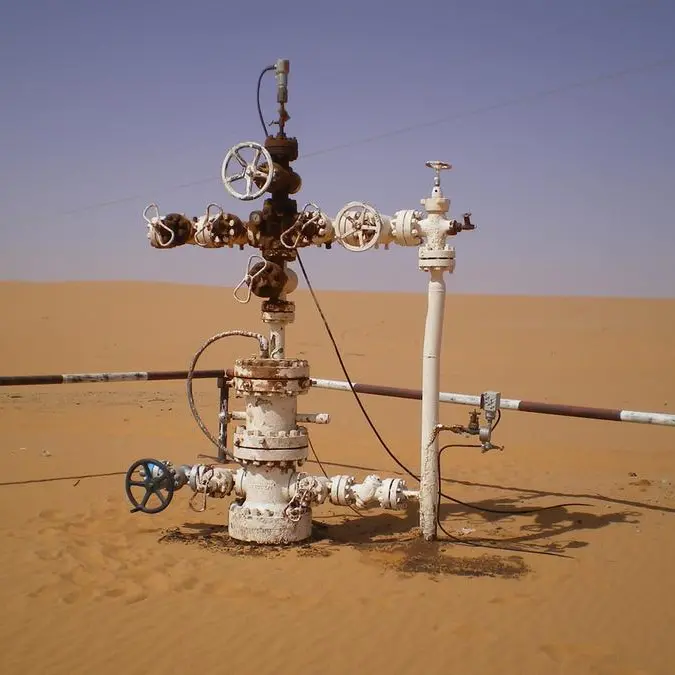
There could be disruptions to global supply chains after the conflict ends, and it will take time for refineries, oil fields and pipelines to come back online, as more than 40 energy assets across nine Middle Eastern countries have been ‘severely or very severely’ damaged by the war, Birol said at Australia’s National Press Club in Canberra.
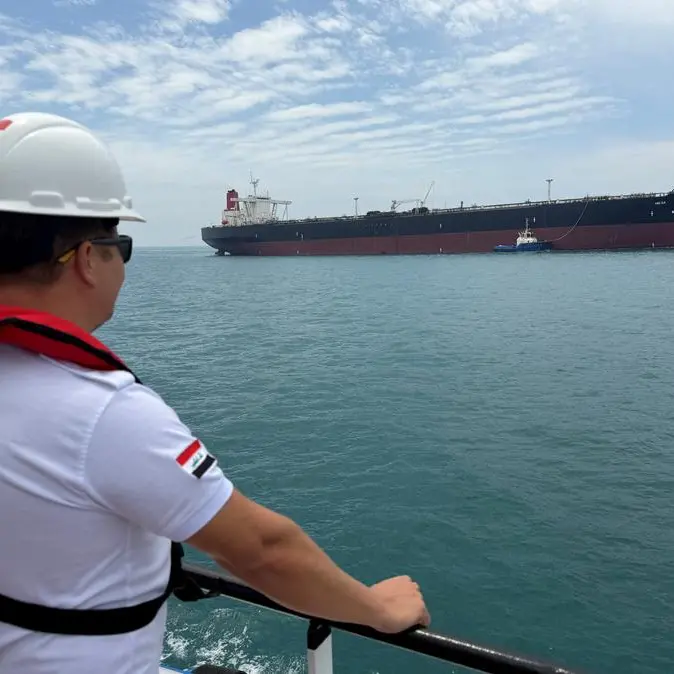
The single biggest solution to the current problem is to reopen the Strait of Hormuz, he added.
The IEA chief said that the organisation is currently consulting with governments in Asia and Europe and if it is necessary there will be more releases of oil stocks. "If it is necessary, of course, we will do it. We look at the conditions, we will analyse, assess the markets and discuss with our member countries," Birol said.
IEA member countries agreed on March 11 to release a record 400 million barrels of oil from emergency reserves. The drawdown represented 20% of overall stocks and is seen as the largest stock draw in the agency’s history.
The between Iran and the US and Israel has triggered the largest supply disruption in the history of the global oil market, with shipping through the Strait of Hormuz, which normally carries around 20% of global oil consumption, has been significantly reduced. Around 20 million barrels per day of crude oil and oil products typically transit the Strait of Hormuz. The loss of these flows has impacted the markets, pushing crude oil prices to more than 50% this month and driving even sharper increases in refined products such as diesel, jet fuel and liquefied petroleum gas (LPG).
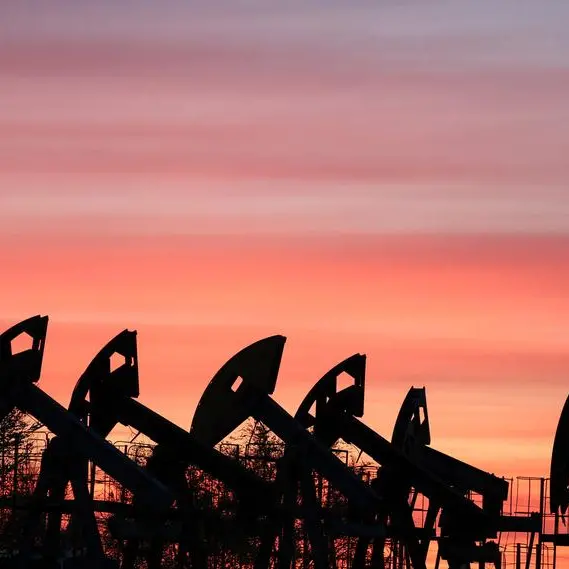
Oil is currently trading at $112 per barrel. As the US-Isareli war on Iran rages on, most financial institutions have revised the 2026 average oil price forecast.
Goldman Sachs raised its Brent crude oil forecast for 2026 to $85 a barrel from $77, citing prolonged disruptions in Strait of Hormuz shipments. J.P. Morgan expects oil prices to average $100/bbl in Q2 2026 and fall back to $80/bbl by the end of the year.
(Writing by Seban Scaria, editing by Daniel Luiz)