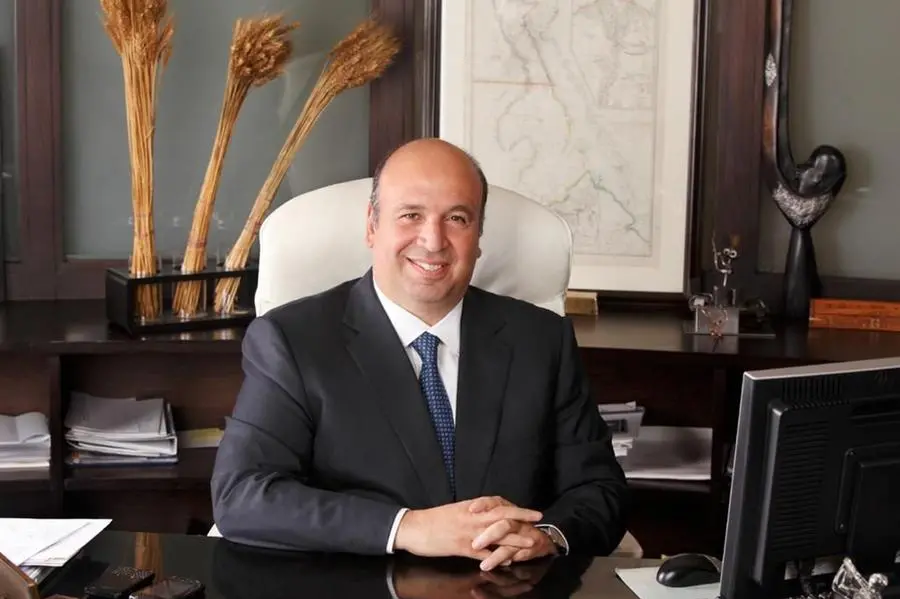
Tim Sebastian, an award winning broadcaster and journalist shares his views on Hardtalk, The Doha Debates and people who have left an imprint. Mayank Singh reports
You have interviewed scores of people worldwide, does anyone stand out amongst them?
The people who stand out and the ones whom you remember are not those with big names or the politicians, but people who have found something special amongst themselves, people who were caught up in extraordinary events, heartrending events sometimes, where they were badly injured or lost someone close to them in terrifying circumstances; but one thing that all of them have in common is that they refused to be victims and it is that refusal to be a victim that gives them strength and brings out the best in them. Those are the ones whom I remember.
Any thoughts on politicians or celebrities that you may have interviewed?
If I had to spend 24 hours in a room with a politician, I would choose Mikhail Gorbachev - the last leader of the Soviet Union - because he was such an interesting and stimulating man to come out of such a stagnant system. He was a small man who filled a room with his presence. You could really sense his power, authority and a strange kind of warmth. He was a fascinating man and I have never met a politician like him.
You have had a strong association with Hardtalk, the iconic interview show on BBC. How do you look back on the programme?
Just like so many ideas, it came across as a simple idea of two people sitting opposite each other and talking, but we kept on thinking about doing it differently and we felt that the research, facts and information needed to be the differentiator. We would use robust questioning based on facts to extract something new from the person. The idea was not to beat people up. A lot of people said I was aggressive while doing Hardtalk, but I feel I was not aggressive but tough and there is a fine line dividing the two. I don't think that one should confuse bad manners with good journalism and I hope that I never did. The idea was never to intimidate people but to put them on the spot and to get answers to vital questions. I always looked at it as a public service.
The Doha Debates is something that is readily recognised in the region and there are a lot of urban legends about how it all started, what is the real story behind the programme?
I was invited for a lunch with the Emir of Qatar when I went for a conference in 2004, and he asked whether I have any ideas and I said no, but I promised to think about it what we might do in Qatar. I came back with the idea of town hall debates and it went from there. I never thought that The Doha Debates would happen, never thought it would last this long, that some of the results of the debate would be so controversial and I never thought that the people in the region would open up so much. The idea behind the programme is to let young people ask the questions on behalf of those who cannot do so, to get them to get used to participating in the politics of their country and to realise that it is not a right but a duty.
You moderated the Oman Debate and this has been your first full-fledged interaction with an audience here, what are your thoughts on the proceedings?
I think people were very critical, people are impatient, they want more reform. You give people reform and they want more, you give people rights and they want more and that is what happens. The Oman Debate showed that people have a clear idea of what they don't like in society, the obstacles to greater prosperity, they want greater interaction and that the government is listening. I was surprised by how open and frank people were and I enjoyed it enormously.
© Oman Economic Review 2012