Tuesday, Jan 31, 2012
--Saudi cross listing to boost liquidity, enhance potential regional hub status
--Fine-tuning of regulation seen as step towards opening market to foreign investment
--Analysts mixed on immediate impact; see longer term benefit of greater foreign ownership
By Ellen Knickmeyer
Of ZAWYA DOW JONES
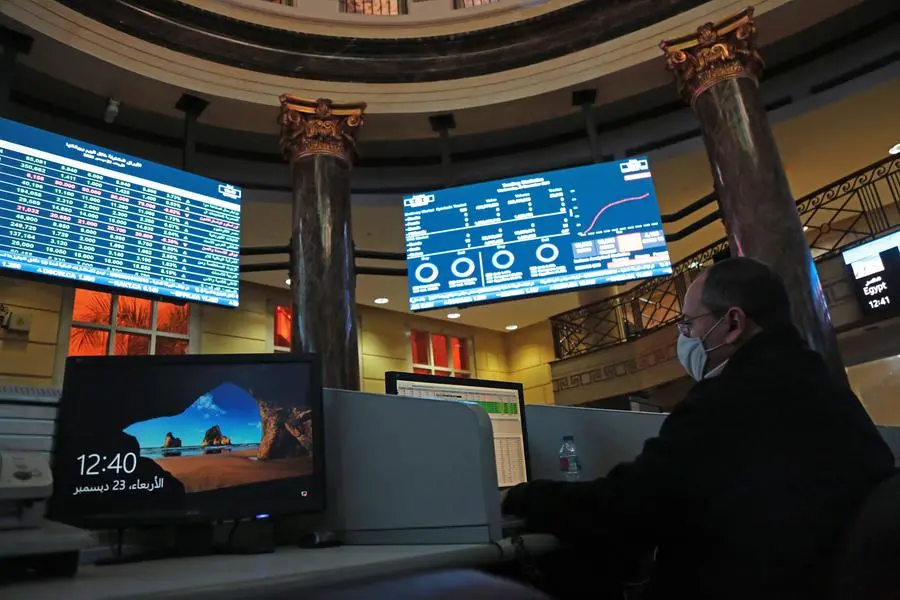
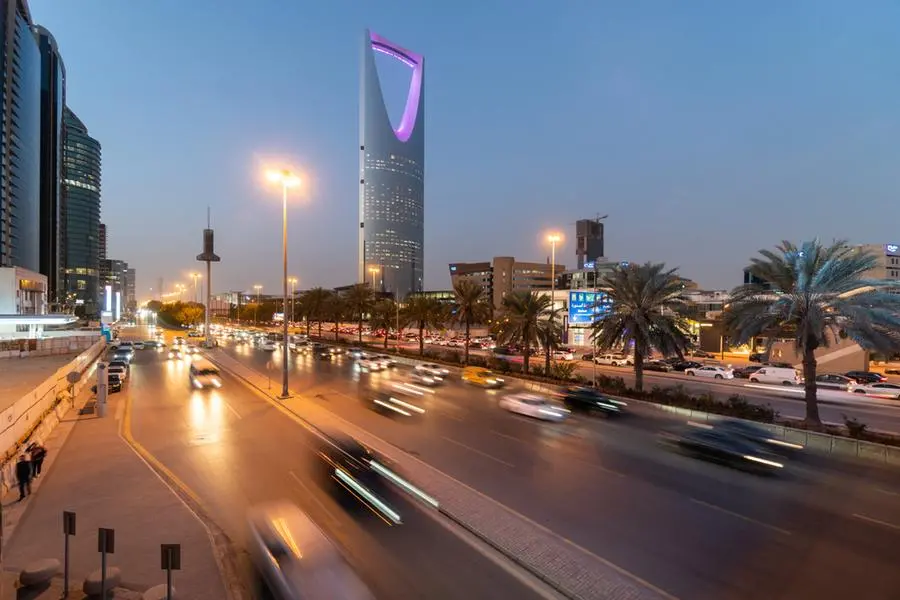
RIYADH (Zawya Dow Jones)--Saudi Arabia is taking far-reaching steps toward opening its equity market to foreign participation, allowing overseas companies to list their shares on the kingdom's bourse and fine-tuning proposals to permit foreign direct investment in domestic stocks.
The moves, if they go through, could help turn Saudi Arabia into a stock market hub for the Gulf region, attracting new investment and reviving trading in the shares of regional companies that decide to cross-list on the actively-traded Saudi market.
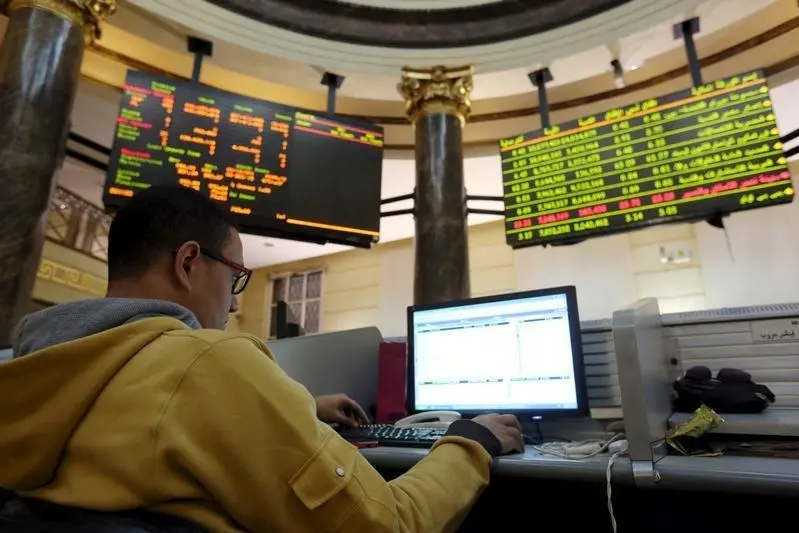
Last week, Saudi Arabia's Capital Market Authority published regulations on its website that would allow foreign firms, at the discretion of the kingdom's regulators, to list their shares on the Saudi stock market, known as the Tadawul, if they are already listed on a bourse that has equivalent rules.
Analysts said the rule change is mainly aimed at companies listed on other Gulf markets, which could take advantage of the greater liquidity and size of the Saudi market as domestic trading in their shares has dwindled.
And some think it could be the prelude to a more significant change - the long-awaited decision to allow limited foreign investment in domestic Saudi equities.
"I am hopeful that this [cross listing regulation] will naturally lead to the full opening of the local Saudi market to international investors," said Kamran Butt, the Dubai-based head of Middle East research, private banking, at Credit Suisse.
At the moment, citizens of other Gulf countries can make direct stock purchases on the Saudi bourse, but other foreign investors can only purchase Saudi shares via swaps and exchange traded funds.
There has been speculation that a decision could be taken to open the market to foreign investment in the first half of 2012, though a Saudi official familiar with the discussions between the government and industry officials said "nothing is set" on the timing of the market opening. He spoke on condition of anonymity because of the sensitivity of the preparations.
Opening the Saudi market to foreign investment will be a "game-changer in the Middle East," according to Georges Elhedery, co-head of global markets for the Middle East at HSBC in Dubai. But he said it won't trigger a large new flow of investment from day one because of the limits the Saudis are likely to impose on foreign investors. "There will be a lot of check points in order to ensure that things progress smoothly, so it won't all happen overnight and volumes are likely to grow over time," Elhedery said.
Saudi regulators appear concerned that opening the domestic market will attract too much speculative foreign capital, and are therefore crafting rules that will strictly limit how freely overseas investors can buy Saudi shares.
According to draft proposals viewed by Zawya Dow Jones, Saudi Arabia is likely to take the "qualified foreign investor" approach, similar to the route taken by China in opening up its stock markets. Only funds with assets of at least $5 billion under management will be allowed to buy Saudi shares, according to the proposals. An individual foreign investor won't be able to hold more than 5% of an individual Saudi company's shares, the proposals say, while the total foreign shareholding, including swaps and exchange traded funds, won't be allowed to exceed 49%.
By setting that high a bar on the fund's assets under management, Saudi officials want to limit the direct foreign investment to "top players" like "Morgan Stanley, Fidelity, ourselves," Mark Mobius, the executive chairman of Templeton Emerging Markets Group, said in a recent phone interview.
Mobius and some other industry participants said the high minimum threshold reflected cautious Saudi regulators' desire to keep out what they fear would be the "hot money" of foreign speculators after quick profits.
Despite the likely cnostraints, some economists say the cross-listing and market opening proposals could increase the overall attractiveness of the Gulf region to foreign investment, building Saudi Arabia's role as a hub and reviving trading on markets such as the United Arab Emirates, where volumes have dwindled in recent years.
With a market capitalization of about $344 billion, Saudi Arabia accounts for almost half of the Gulf region's total value for listed companies, according to Zawya.com data
To become a market hub, "It's always a reputational issue - will investors be willing to trade here, willing to list here," said Jarmo Kotilaine, chief economist at Saudi's NCB Capital. Saudi Arabia is "a market they know, they understand there is a lot of capital in this country. To some of them it could be appealing," Kotilaine added.
Other economists say the Saudi proposals could end up drawing business away from other markets in the region, and trigger much-needed consolidation among the smaller bourses.
"The Saudi market is significantly bigger than all other Gulf markets put together in terms of capitalization and traded value. There is a critical need to start consolidating exchanges in the region now as we have far too many that lack sufficient depth and liquidity," said Butt at Credit Suisse.
-By Ellen Knickmeyer, Dow Jones Newswires, +971 55 1093359, ellen.knickmeyer@dowjones.com
(Nicolas Parasie and Nikhil Lohade in Dubai contributed to this story.)
Copyright (c) 2012 Dow Jones & Co.
(END) Dow Jones Newswires
31-01-12 0921GMT