Despite an abundance of natural fuel resources, 60% of the world's oil and 45% of the world's gas reserves, some Arab countries are concerned that their economies and staggering world demands are relying heavily on finite resources. The Organization of Petroleum Exporting Countries predicted the life expectancy of oil in its member countries to be 131 years; 33 for the rest of the world. This crescendo has triggered a significant push into sources of renewable energy, such as the wind and the sun.
The MENA region is lagging behind the rest of the world in renewable energy investments, which globally reached USD162 billion in 2009, a five-year increase of 252%, according to Bloomberg New Energy Finance. As of 2011, the region meets only 2% of its primary energy needs from renewable energy and 98% through oil and gas. The GCC is ranked one of the world's highest carbon dioxide emitters per capita, according to a 2010 GreenGulf report published by Al Masah Capital Management; Qatar ranked highest in per capita CO2 emissions, followed by Kuwait, the UAE and the USA.
One of the hurdles to using green technology has been cost; solar energy is five to 10 times more expensive than conventional power, depending on the type of technology employed; wind is about 50% higher. Still, the dim outlook for fossil fuels has served as an economic incentive to go green, and analysts expect that the high cost will eventually level off as technologies become more efficient. Other convincing arguments relate to the region's population boom, an anticipated economic resurgence and the need to diversify and create jobs, all of which are reasons to explore new forms of energy.
MENA's Ongoing Green Energy Projects
An estimated USD4.1 billion in renewable energy projects are under way in the region, with Egypt leading the way with USD2.1 billion, followed by the UAE and Jordan with USD500 million each, as of 2011. According to Zawya Projects, Morocco is expected to lead the way by generating 950 MW of power from renewable sources by 2017, followed by Egypt with 650 MW and the UAE with 350 MW.
Average ongoing and planned capacities (MW)
Of the naturally replenished energy sources, like sunlight, wind, rain, tides, biomass, hydro and geothermal heat, OPEC claims hydroelectricity is the best developed in the region. Egypt and Iraq are the chief produces of the region's 10,683 MW of installed hydroelectricity, followed by Tunisia, Syria, Algeria, Jordan, Lebanon and Morocco, as of 2010.
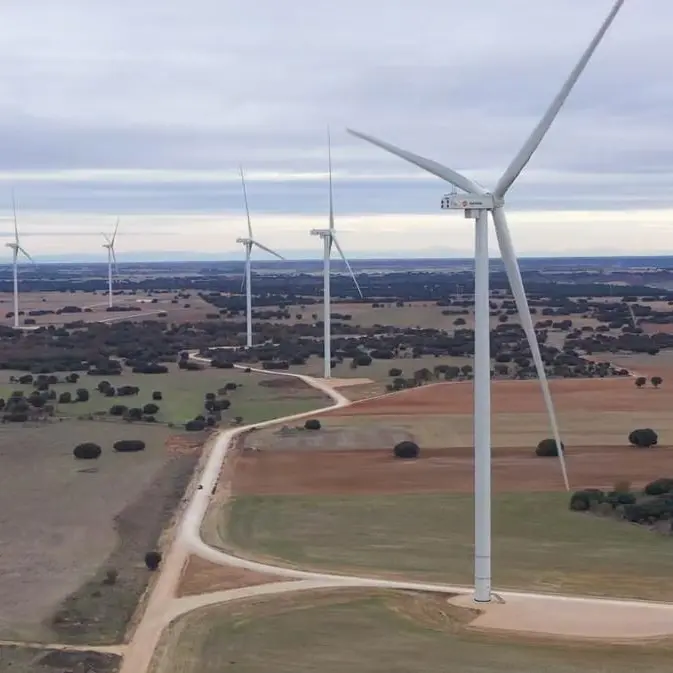
In terms of solar energy, as the MENA's greatest natural resource, it may be able to meet total worldwide demand for electricity. However, despite their abundance, both solar and wind are still nascent forms of renewable energy. Generally, the GCC, Morocco and Algeria are harnessing solar energy while Egypt, Morocco, Syria and Jordan are drawing on wind as a green power source.

Public/Private Incentives
Due in part to fossil fuel subsidies in the MENA region, solar and wind energy forms are still not competitive with conventional power generating technologies. Consequently, the governments of Egypt, Jordan and the UAE are promoting private investment in renewable energy, taking a page from Europe and the US with such tools as feed-in-tariffs and cash incentives given by the government to users of green energy technology. Throughout the region, long-term plans for the implementation of clean energy are being studied and countries are exploring regulatory and financial incentives to promote the production of renewable energy.
Tunisia and the UAE (Abu Dhabi) are registering their clean energy projects under the UN's Clean Development Mechanism (CDM), which entitles them to receive carbon reduction credits, with a price of around USD16 per ton of carbon dioxide. Tunisia began a plan to implement 40 solar energy projects in 2010, to last till 2016.
The Moroccan Agency for Solar Energy (MASEN) is a public-private venture that has been set up to lead a USD9 billion domestic solar project. In Egypt, new regulations are being studied to provide incentives for private companies to produce clean energy. The government is considering a new electricity law to allow private power companies to sell their output directly to end users, including a feed-in tariff for renewable energy. Currently, Independent Power Providers (IPPs) may only sell their electricity to the power public utility EEHC.
Jordan passed a new renewable energy law in January 2010, under which the National Electric Power Company (NEPCO) will be required to purchase all electricity produced by independent and small-scale renewable plants at full retail price. Also under this law, the cost of linking solar and wind projects to the grid will be covered by the public utility.
In Oman and Qatar, studies are being undertaken to identify each country's national solar and wind potential and to assess the feasibility of these projects and the implementation of a competition procedure for renewables. Chevron and GreenGulf have agreed to conduct research at the Qatar Science and Technology Park, to study the development of solar energy in the country. Qatar's Foundation for Education, Science and Community Development and Solar World have established a joint venture called Qatar Solar Technologies to lead the country's expansion of the photovoltaic (PV) market.
Zawya 2011