Bahrain will have enough cattle supplies to meet demand during Ramadhan, a top official from the Bahrain Livestock Company (BLC) said yesterday.
Dismissing speculative reports in the media in this regard, Ebrahim Zainal, Chairman of the board of directors of the company, said local markets will not suffer from meat shortage during Ramadhan.
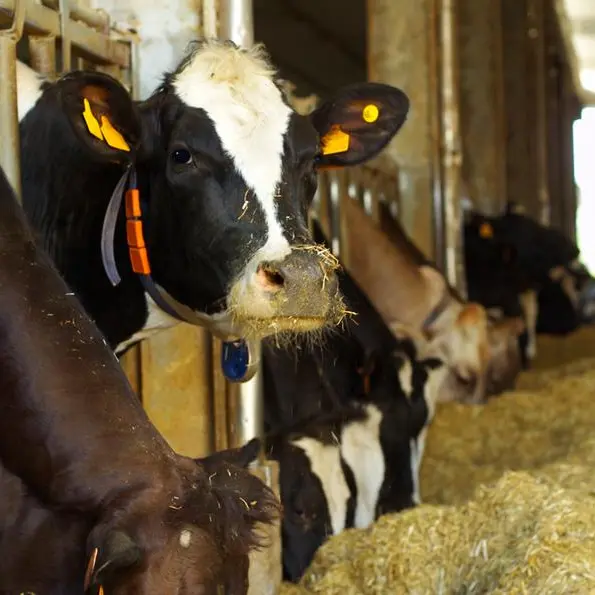
Meat companies in the country have started planning for the increase in demand and supply of livestock during Ramadhan. "We are ready to provide more than 110,000 cattle heads this season," he said.
Zainal said in a statement yesterday that residents won't be faced with meat shortage, as the company will also be importing frozen meat. He noted that the company will receive three shipments of fresh meat from Australia until the first week of Ramadhan.
This will include around 60,000 cattle heads. There will be a second consignment that will include 25,000 cattle heads. Zainal added that between this period, the company will continue to import frozen meat.
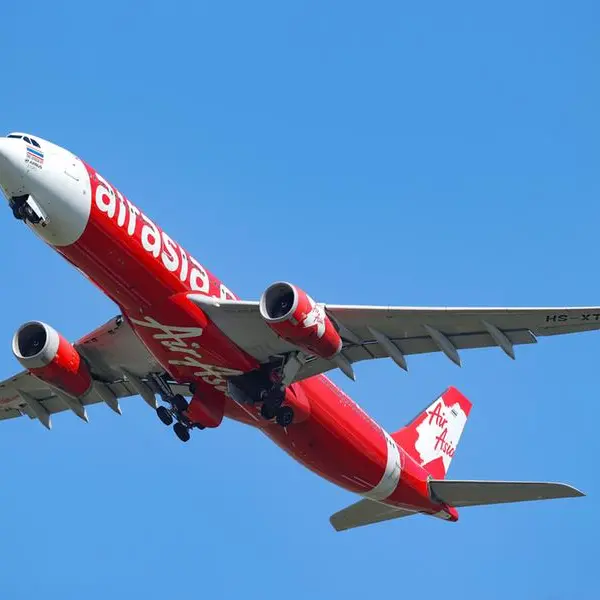
Zainal explained that frozen meat was mainly imported from four countries namely Australia, Pakistan, India and Ethiopia. He pointed out that most of this meat were fresh because they are slaughtered a day or two before they leave the country of origin. The consignment is sent to Bahrain through air.
The Ministry of Industry and Commerce and the Finance ministry are facilitating the import process for providing these essential items to consumers.
During the Holy month of Ramadhan, the health authorities will also keep a strict watch on the prices of meat, fish and muttons, in an effort to keep it stable.
At the abattoirs, health inspectors from the department check the livestock for any disease, wound, fracture or contamination and ensure that those parts do not reach the market.
Inspectors keep an eye for all diseases found in cattle which are not from Bahrain.
The Kingdom has subsidised flour, meat and poultry which costs the government BD 34 million per year. Meat consumption shoots up during Ramadhan as Muslims prepare varieties of meat dishes as part of meals that will be consumed after the breaking of fast.
Additionally, meat is a cheaper commodity even with the inflation because the government subsidises it. In comparison fish, shrimp and other seafood are expensive and prices are affected by the sea conditions and the catch.
Seafood is sometimes twice as expensive as meat.
By Staff Reporter
© Bahrain Tribune 2010