DOHA: Eleven youth-focused organisations from seven countries in the region will receive grants from the Taqeem Fund -- a partnership between Qatar-based Silatech, the Youth Employment Network, the Jacobs Foundation and the World Bank.
These organisations which collectively serve more than 250,000 young people throughout the Arab world, will receive grants and technical assistance to help them improve the impact and effectiveness of their youth employment and entrepreneurship programmes. Launched in summer last year, the Taqeem Fund supports youth-serving organisations in the Arab world to help them measure the actual impact they are making, evaluate what works best, and present their results to governments, other NGOs, donors and investors. It is the first such "Monitoring and Evaluation" (M&E) fund of its type in the region.
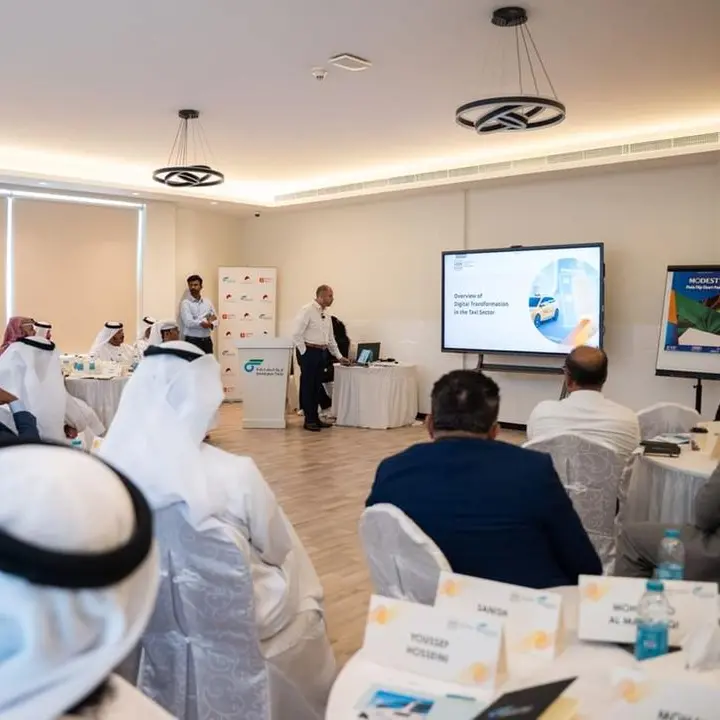
The selected organisations were chosen from an initial pool of 75 applications at the end of a process which included a four-day capacity building workshop, lectures from renowned evaluation experts, the preparation of draft monitoring and evaluation plans, peer advice and methodology review, and a final technical workshop held in Doha in December.
The winning organisations include: Spark (Palestine), International Youth Foundation (Jordan), Education for Employment Foundation (Morocco), Help Leads to Hope (Somalia), MEDA Maroc (Morocco), Al Amal Microfinance Bank (Yemen), INJAZ Jordan (Jordan), Youth Leadership Development Foundation (Yemen), Ebtessema Foundation (Egypt), Better World Foundation (Egypt), and LOYAC (Kuwait).
"The Fund is a response to the fundamental changes sweeping the region over the last year, and an increased willingness in many countries to develop, test and prove new ways of increasing youth inclusion," said Justin Sykes, Manager, Social Innovation at Silatech.
"Our goal in establishing the Taqeem Fund is to help empower organisations to measure what works and what doesn't, and then to help scale up the successful approaches to help millions of young people throughout the Arab world find meaningful employment and enterprise opportunities," he said.
Each of the 11 finalist organisations will now receive in-kind and cash grants of up to $40,000, as well as technical support and expertise from specialists to help implement their monitoring and evaluation plans.
In addition, the 11 winners, plus four other shortlisted organisations who participated in the initial clinics, will continue to participate in the Taqeem Community of Interest. They will have access to a Web-based knowledge sharing portal with blogs, discussion forums, tools and resources to further help them in implementing their monitoring and evaluation programmes.
© The Peninsula 2012