PHOTO
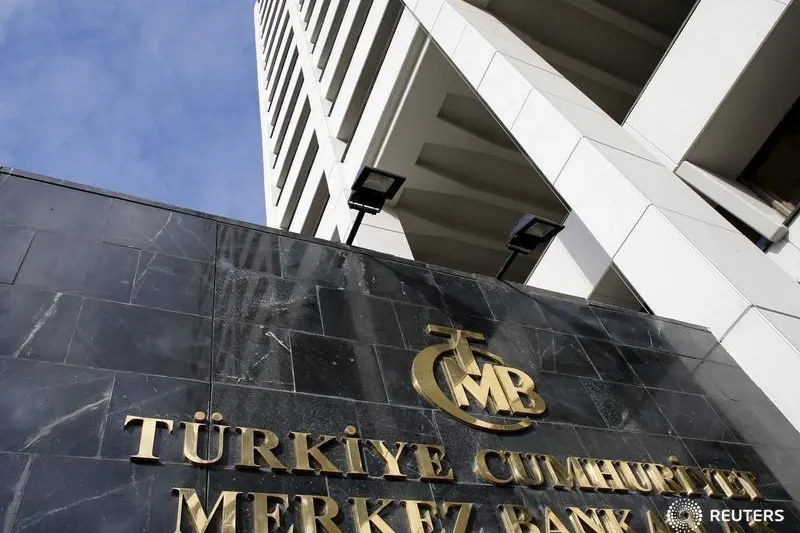
Tightening measures taken by the Turkish central bank in response to the Iran war have caused commercial loan interest rates to rise as high as 52%, while deposit rates have approached 45%, according to two bankers. Deposit rates have been pushed higher by the draining of almost 2 trillion lira ($45 billion) in liquidity from the market and the rise in the central bank's overnight funding rate to 40%, even as it kept its policy rate at 37% earlier this month.
The banking sources told Reuters the upward trend in deposit interest rates accelerated as the recent sharp drop in gold prices prompted domestic residents to buy gold, and as a result of banks' need to meet the ratio requirement for lira deposits.
Commercial loan interest rates, which were in the 36-41% range before the war, have risen to more than 50% this week. Deposit rates have increased from 35-38% to 42-45% over the same period.
Commercial loans are being given in a "limited and selective manner," said one banker.
Turks' gold-buying "caused some outflows from deposits," the banker said, adding lenders have responded by lifting rates to maintain required ratios.
Since the start of the war, the central bank's forex sales have totalled $44 billion and its total reserves have fallen $55 billion, bankers said on Monday.
They also said the central bank has removed some exceptions to credit growth restrictions in a step that may limit lira credit growth to some extent.
Some analysts anticipate the central bank could consider hiking its main interest rate from 37% if energy prices rise yet higher and threaten Turkey's disinflation path. The annual inflation rate edged up to 31.5% in February.
($1 = 44.4770 liras)
(Reporting by Ebru Tuncay; Editing by Daren Butler and Jonathan Spicer )