PHOTO
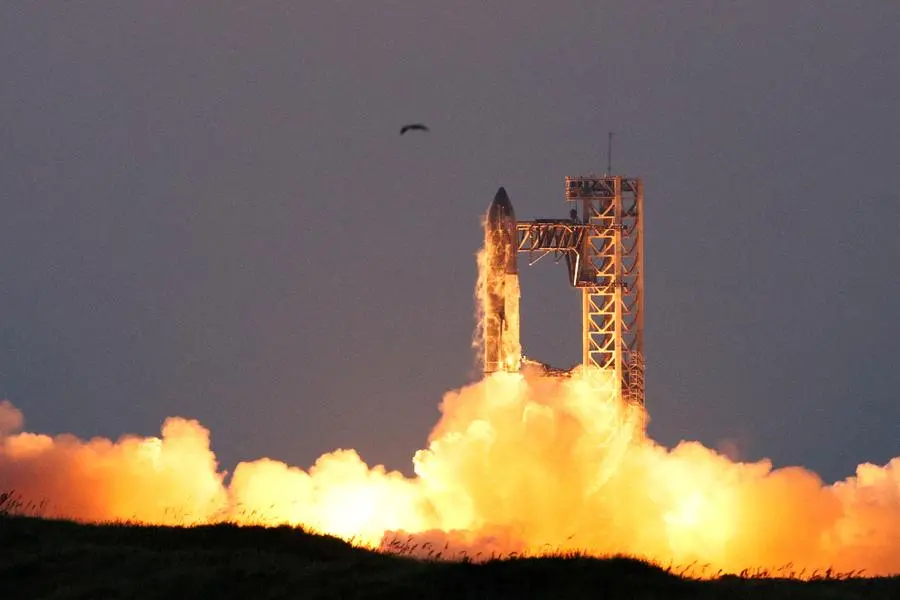
Global investment in space technology is poised to climb further in 2026, propelled by government spending on defense-linked satellite systems and private sector bets on launch capacity, investment firm Seraphim Space said on Monday.
Space infrastructure is being increasingly viewed as a strategic national priority, with countries competing for investments to secure a geopolitical advantage.
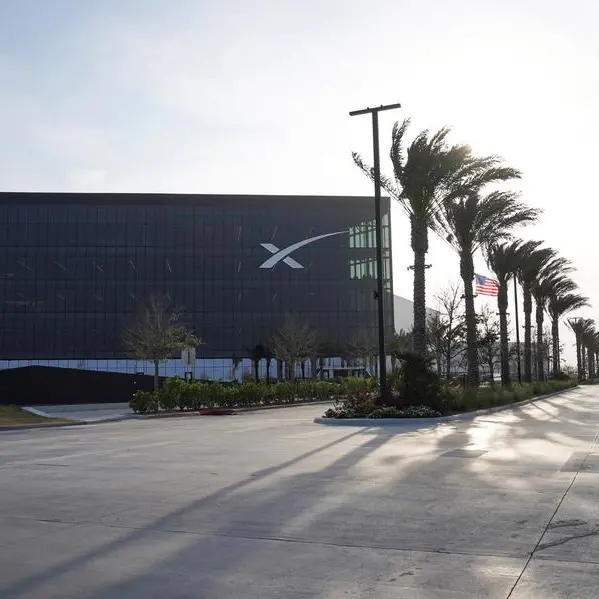
Investors expect the funding momentum to be driven by spending on sovereign satellite and missile-defense systems, integration of AI into space hardware and analytics, and the prospect of a SpaceX IPO, Seraphim Space said.
"A potential SpaceX IPO could act as a powerful catalyst, further validating SpaceTech as a mainstream asset class and opening a clearer path to IPOs for a growing cohort of late-stage SpaceTech companies," said Lucas Bishop, investment analyst at Seraphim Space.
Investments in the sector hit record levels in 2025, with private investment growing 48% to $12.4 billion, including $3.8 billion in the final quarter, according to data from Seraphim Space.
Funding surpassed the previous peak set in 2021 and marked a full recovery from the sector's 2022 downturn, outperforming the broader venture capital market.
The U.S. dominated investment last year with $7.3 billion, or about 60% of global funding, driven by heavy spending on launch services and defense-related programs such as the Pentagon's Golden Dome initiative.
U.S. President Donald Trump signed an executive order in December designating space as a core national security and economic priority, a move investors expect to lift funding for the sector.
The sector saw more modest growth in Europe, while investments in Asia remained elevated, with China contributing roughly $2 billion as it accelerated domestic launch and satellite manufacturing.
(Reporting by Akash Sriram in Bengaluru; Editing by Leroy Leo)