PHOTO
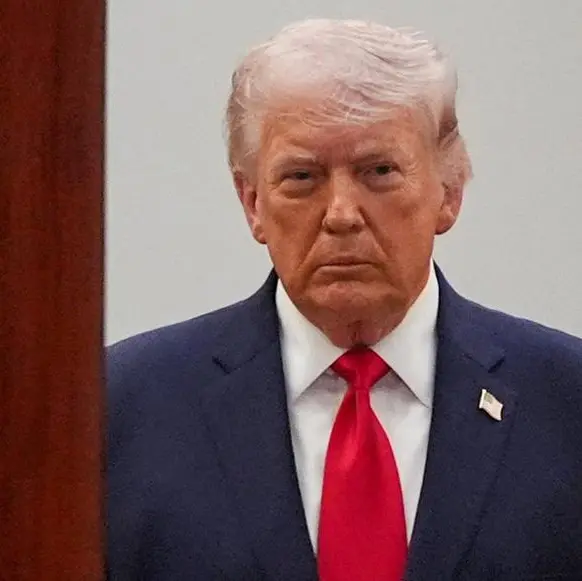
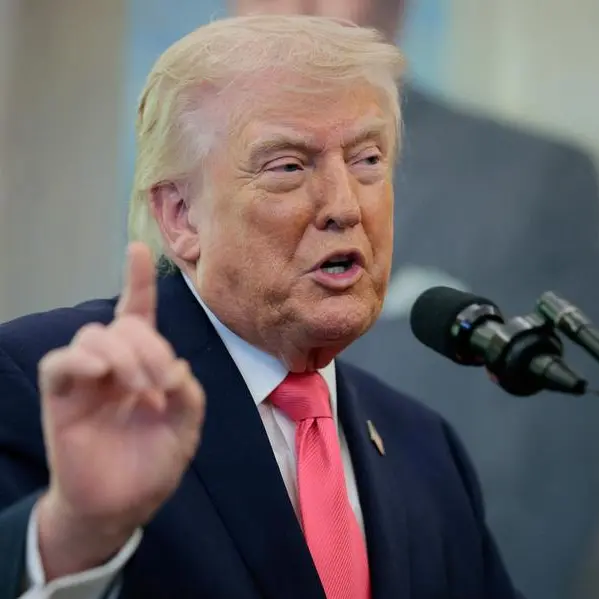
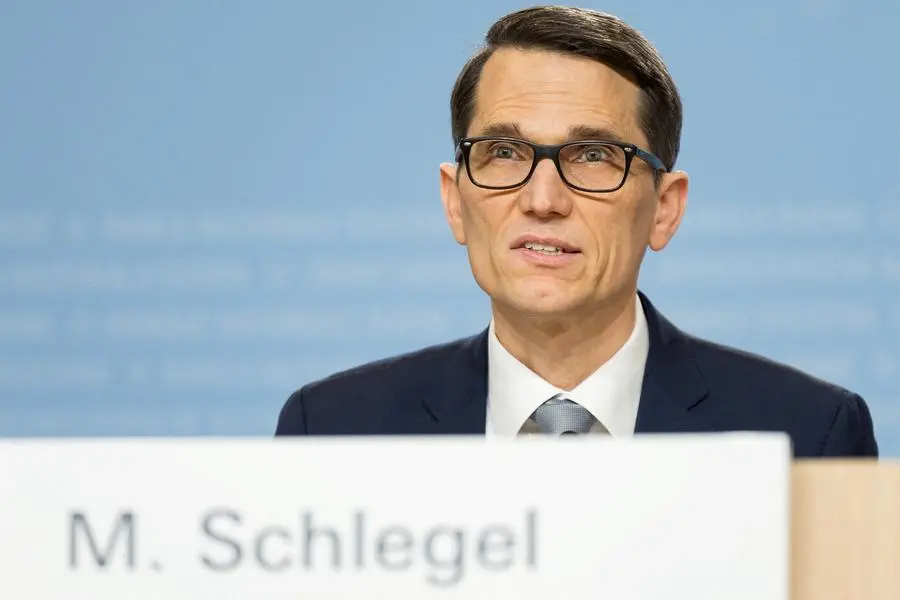
Central bank independence is crucial to controlling inflation, Swiss National Bank Chairman Martin Schlegel said on Wednesday, as the U.S. Federal Reserve chair faces a criminal probe and an onslaught of attacks from President Donald Trump.
The SNB was one of several central banks that lined up in support of Jerome Powell last week after Trump's Justice Department threatened him with a criminal indictment.
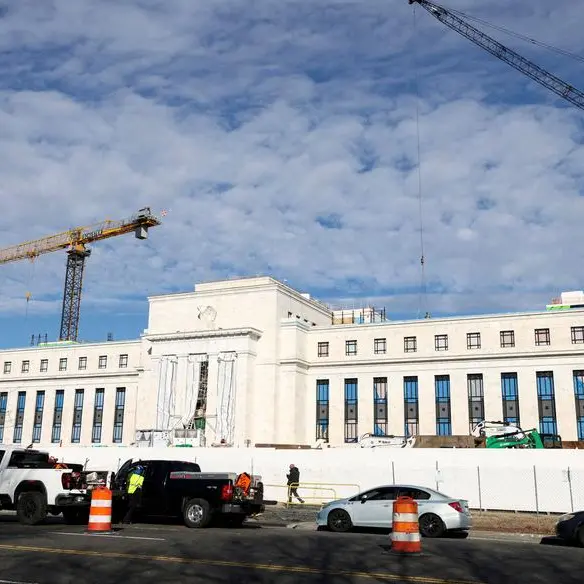
Powell has called the investigation, which is looking into the renovation of two Fed buildings in Washington, a pretext to put pressure on the central bank to cut rates, as Trump has repeatedly called for it to do.
"Central bank independence is very important. A central bank needs to be independent to fulfil its mandate, which is price stability," Schlegel told Reuters on the sidelines of the World Economic Forum in Davos, Switzerland.
"The Fed is a very important central bank. Not only for the U.S., it's very important also for the world ... It's really important that the Fed is independent," he said. "Typically, when a central bank is not independent, inflation is higher."
SAFE-HAVEN SWISS FRANC RISES AS GLOBAL TURBULENCE RETURNS
Recent global political turbulence has triggered an appreciation in the Swiss franc, traditionally seen by investors as a safe haven, Schlegel said.
The franc gained nearly 14.5% against the dollar last year, its strongest annual performance since 2002, as Trump's global tariff offensive disrupted global trade and rattled investors.
The U.S. president has revived fears of a trade war with Europe, threatening new tariffs against countries opposing his ambition to take over Greenland. The franc has gained 1.4% this week, having otherwise remained steady for most of January prior to that.
This appreciation reduces the value of the SNB's dollar-denominated assets, with dollar holdings making up around 36% of its 765 billion francs ($966 billion) in foreign currency reserves.
Schlegel said the SNB considered the liquidity of its assets as well as the stability of their value but did not comment directly on whether the exchange rate shift would lead to the SNB reducing its dollar holdings.
"What's important for us is diversification, with currencies, so U.S. dollars, euro, and so on, but also in other instruments, government bonds, corporate bonds, and also equities," he said.
"So we are looking at our investment universe constantly, and we are able to make decisions if necessary."
NO PLANS TO BUY OR SELL GOLD, SCHLEGEL SAYS
Still, Schlegel said there were no plans to change the 1,040 metric tons it holds in gold, which generated a 36.3-billion-franc profit last year, as investors piled into the precious metal to shield against global economic turmoil triggered by Trump's tariffs.
"We have no plan to buy or sell gold," Schlegel said.
The SNB was also relaxed about recent low readings of inflation. Switzerland's annual inflation rate climbed to 0.1% in December, at the bottom end of the central bank's 0%-2% target range.
The SNB expects inflation to rise, but there could also be some months of negative inflation, Schlegel said.
"If we have some negative prints this year, for example, this is not a problem with the Swiss National Bank, because we look at the medium-term price stability," he added.
($1 = 0.7917 Swiss francs)
(Reporting by John Revill; Editing by Tomasz Janowski and Joe Bavier)