PHOTO
As climate shocks intensify across Africa, civil society organisations have renewed calls for governments across the continent to resist growing pressures to privatise water systems, warning that such moves would deepen inequality and erode resilience in the face of climate change.
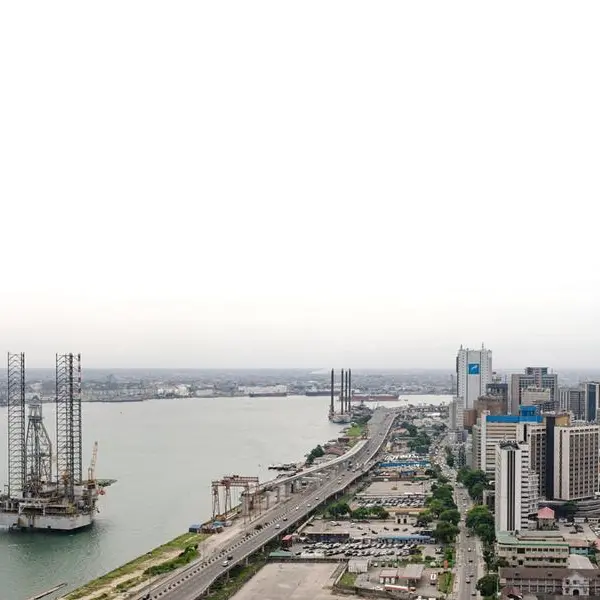
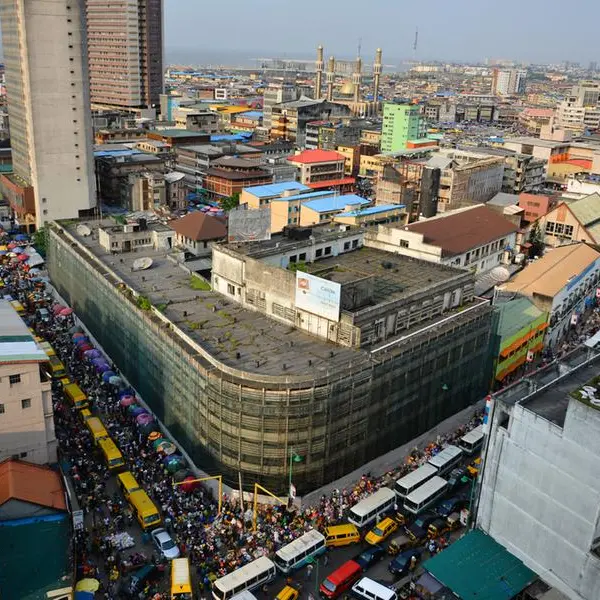
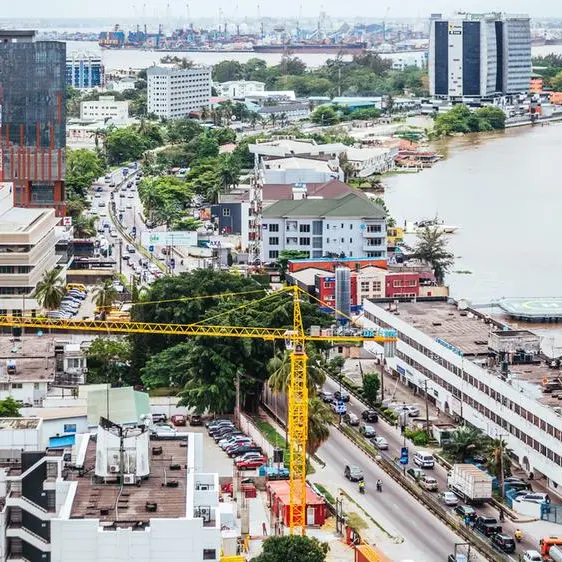
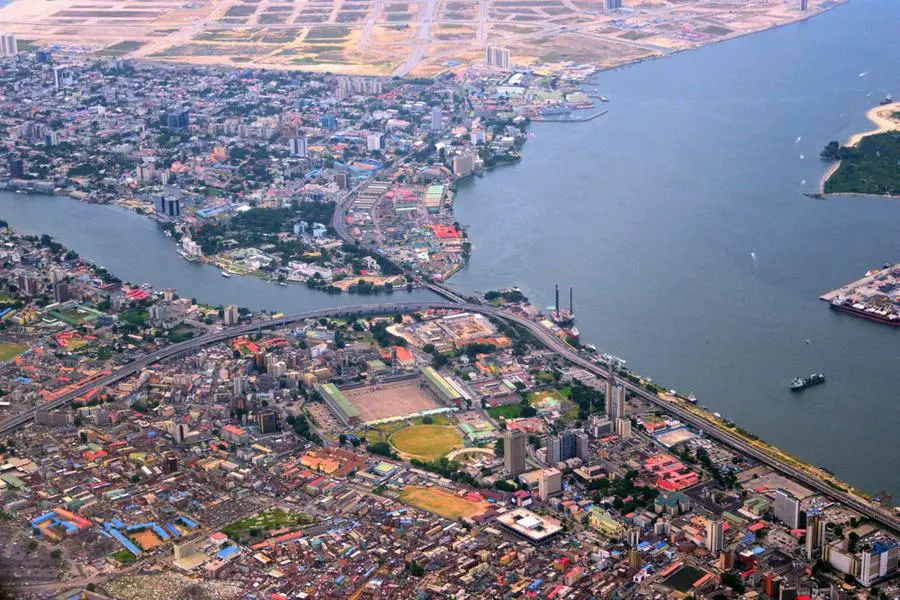
The warning came on Monday at the launch of the 5th Africa Week of Action Against Water Privatisation, held at Corporate Accountability and Public Participation Africa (CAPPA) headquarters in Lagos.
The event was convened by the Our Water Our Right Africa Coalition (OWORAC) in partnership with the Africa Make Big Polluters Pay (MBPP) Coalition, bringing together campaigners from over ten countries.
In his welcome address, Akinbode Oluwafemi, Executive Director of CAPPA, said the campaign reaffirms a continental resistance to the commodification of water, insisting that “water is a human right and public trust, not a commodity for profit.”
“The way we protect and govern water will determine whether our communities can endure the crises ahead,” Oluwafemi said. “To privatise water in an era of escalating climate shocks is to compound vulnerability and institutionalise inequality.”
He added that this year’s partnership with the Make Big Polluters Pay coalition underscores the growing recognition that water justice and climate justice are inseparable.
The week-long action, themed “Public Water for Climate Resilience,” will feature coordinated campaigns, community dialogues, and policy advocacy across several African countries. Participants include grassroots movements, trade unions, and environmental networks from Nigeria, Senegal, Ghana, Cameroon, Kenya, and beyond.
In its joint statement at the press briefing, OWORAC said the climate crisis is being exploited by private corporations to expand control over public water systems, particularly through large-scale desalination projects framed as “climate-proof” solutions.
“Climate resilience must not be turned into a pretext for water privatisation,” the coalition said. “Public water systems, when adequately financed and democratically managed, are the backbone of resilience.”
The coalition cited the example of Morocco’s 35-year concession to French multinational Veolia, describing it as part of a growing trend of foreign corporations gaining long-term control of African water infrastructure. The statement also pointed to the environmental risks of desalination, including high energy use, marine pollution, and escalating costs that exclude poor households.
According to OWORAC, the continent’s vulnerability to droughts, floods, and rising sea levels is worsened by years of underinvestment in public water infrastructure, a gap that private actors are now exploiting under the guise of efficiency
Echoing this sentiment, Neil Gupta, Water Campaign Director at Corporate Accountability International (USA), said global financial institutions and governments in the Global North continue to push for water privatisation through policy loans and partnerships that favour multinational interests.
“There is an entire industry that aims to exploit our need for water to profit,” Gupta said. “From the World Bank to the IMF, Global North institutions foist privatisation and austerity on governments at the expense of the people.”
He cited examples in Kenya and Lagos, where water sector reforms and corporate partnerships have been backed by foreign governments, including the United States, United Kingdom, and France, whose state agencies hold shares in the same private water firms they promote abroad.
“The short-term profit motives of private water corporations are fundamentally incompatible with the long-term planning the climate crisis requires,” he added.
OWORAC and its partners urged African governments to prioritise public investment in water and sanitation infrastructure, end privatisation-linked loan conditions, and integrate renewable energy into water systems to reduce carbon intensity. They also called for the restoration of watersheds and community-led governance of water resources.
The coalition further emphasised that indigenous practices such as rainwater harvesting and aquifer recharge can play a key role in building local climate resilience without reliance on foreign corporations.
The statement was jointly signed by 13 organisations across Africa and the Global North, including the Senegalese Water Justice Network, Revenue Mobilisation Africa (Ghana), African Centre for Advocacy (Cameroon), and Corporate Accountability (USA).
Participants at the Lagos launch affirmed that the resistance to water privatisation is not an isolated fight, but part of a broader push to reclaim public services as instruments of social justice and sustainable development.
The Africa Week of Action Against Water Privatisation continues through October 18 with coordinated events in Dakar, Accra, Nairobi, Yaoundé, and other cities across the continent.
Copyright © 2022 Nigerian Tribune Provided by SyndiGate Media Inc. (Syndigate.info).