PHOTO
The Central Bank of Nigeria (CBN) has projected that Nigeria’s economy will grow by 4.49 per cent in 2026, reflecting rising optimism about the impact of ongoing reforms, improving macroeconomic stability and stronger private sector participation.
The projection, which represents an improvement over the estimated 3.89 per cent growth for 2025, was contained in the Bank’s 2026 Macroeconomic Outlook titled “Consolidating Macroeconomic Stability amid Global Uncertainty,” released on Tuesday.
According to the CBN, 2026 presents a realistic window of opportunity for macroeconomic stabilisation, as reforms implemented since 2023 begin to yield more visible outcomes.
The expected growth is anchored on sustained structural reforms, a gradually easing monetary policy stance and improvements in the business environment, all of which are projected to boost investor confidence and support private-sector-led expansion.
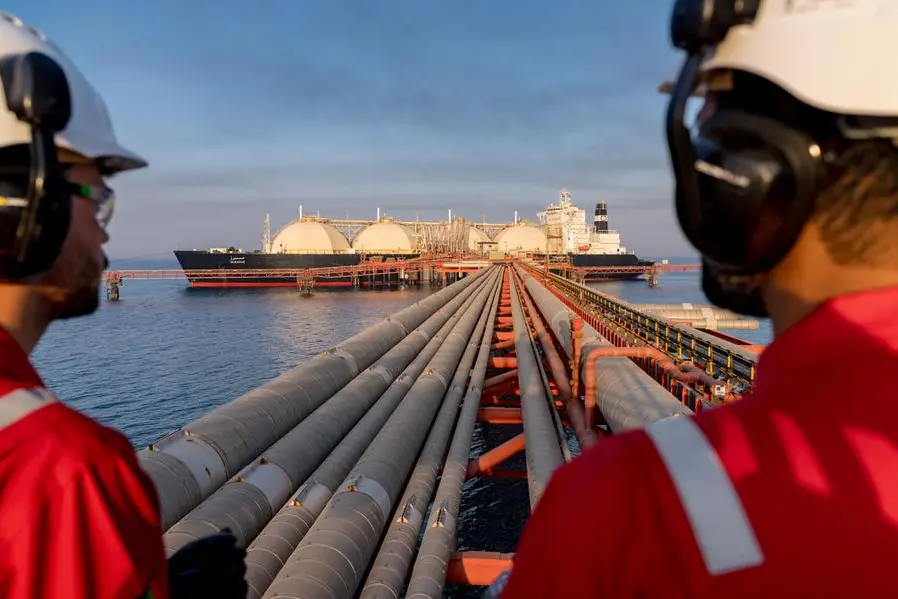
Key drivers of growth are expected to include increased oil production, services, information and communication technology (ICT), and real estate. The Bank noted that improved security surveillance in oil-producing areas and enhanced domestic refining capacity would support higher output and investments in the oil and gas sector.
Headline inflation is projected to moderate to an average of 12.94 per cent in 2026, driven largely by easing food prices and lower premium motor spirit (PMS) costs. The CBN, however, warned that inflation outcomes remain sensitive to fiscal pressures, exchange rate dynamics and global financial conditions.
Growth in monetary aggregates in 2026 is expected to be influenced by exchange rate movements, fiscal operations, election-related spending and the continued implementation of prudential measures.
The capital market is forecast to remain bullish, supported by the ongoing bank recapitalisation exercise, rising investor confidence and complementary policy initiatives.
On the fiscal side, the outlook for 2026 remains optimistic, underpinned by improved non-oil revenue mobilisation and the continued implementation of the Nigeria Tax Act, 2025.
Federal Government retained revenue and expenditure are projected at ₦35.51 trillion and ₦47.64 trillion, respectively, resulting in a provisional fiscal deficit of ₦12.14 trillion, equivalent to 3.01 per cent of GDP. Public debt is projected to rise slightly to 34.68 per cent of GDP by end-2026, from 33.98 per cent as of June 2025, reflecting anticipated new borrowings.
The external sector is expected to maintain a positive trajectory, supported by strong exports, steady remittance inflows, increased oil and gas output, improved domestic refining capacity and stronger global demand from key trading partners. The current account surplus is projected to rise to US$18.81 billion, while portfolio investment inflows and external borrowings are expected to keep the financial account in a net borrowing position of US$10.15 billion.
External reserves are projected to increase to US$51.04 billion in 2026, supported by reforms in the foreign exchange market and improved capital inflows, helping to sustain exchange rate stability.
Despite the cautiously optimistic outlook, the CBN highlighted several downside risks. These include potential inflationary pressures from excessive fiscal spending, global financial market shocks that could trigger capital reversals, unfavourable climatic conditions, disruptions to crude oil production and rising geopolitical tensions.
The Bank also cautioned that a surge in non-performing loans or concentration risks from bank recapitalisation could pose challenges to financial stability.
The baseline projections assume an average crude oil price of US$55 per barrel in 2026, domestic oil production of about 1.50 million barrels per day, an average exchange rate of ₦1,400/US dollar, PMS prices around ₦950 per litre, and a monetary policy rate of 27 per cent.
Overall, the CBN said the 2026 outlook remains cautiously optimistic, with growth expected to pick up modestly as inflation decelerates and foreign exchange stability improves, even as structural constraints continue to pose challenges.
Copyright © 2022 Nigerian Tribune Provided by SyndiGate Media Inc. (Syndigate.info).