PHOTO
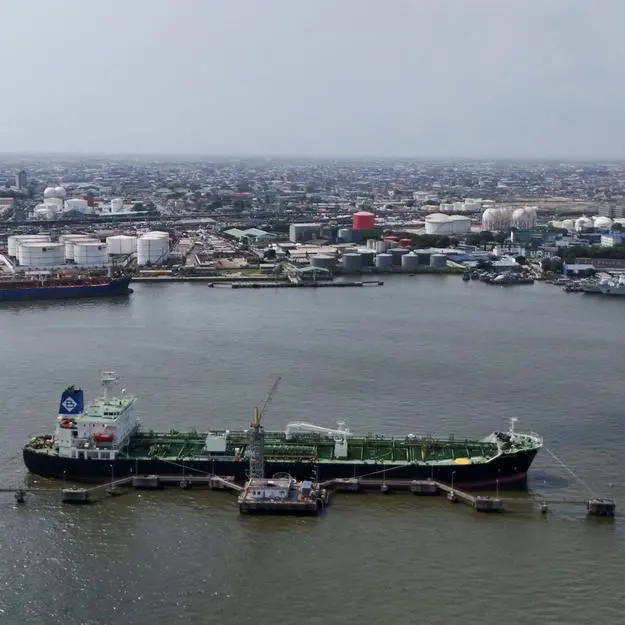
Global shipping majors MSC, Maersk, CMA CGM and Hapag-Lloyd are now invoking the Liberties Clause, a 19th-century rule, to reroute cargo and discharge containers at ports of their choosing, rather than the contracted destinations, passing on the cost to the shippers.
The move results from the disruption caused by the war between the US-Israel and Iran war across the Gulf trade lanes, where security risks and operational constraints are preventing vessels from completing their voyages.
This has not only caused the rerouting of ships, but has also quietly revived a legal provision that most cargo owners rarely consider.
Rooted in 19th-century maritime law and formalised under the Hague Rules, the Liberties Clause allows operators to fulfil their contractual obligations at an alternative discharge point without breaching the terms. It enables carriers to alter routes, delay voyages or terminate carriage at an alternative port if the original passage becomes unsafe or impractical.
Shippers Council of Eastern Africa CEO, Agayo Ogambi, said that invoking the rule results in delays and increased costs for shippers, raising the cost of freight.“With the announcement by the liners, cargo owners are left to manage onward logistics once containers are discharged. This includes inland transport, storage, handling and import clearance, with additional costs,” Mr Ogambi said.
Shippers say that the situation will disadvantage ports that were not prepared for an influx of cargo, as they have no adequate yards or cargo-handling facilities, which will cause congestion and strain the facilities.
In modern shipping, cargo moves under a bill of lading, which serves as both a receipt and a contract between the shipper and the carrier. Most bills of lading include a “liberties” or “deviation” clause.
Meanwhile, insurers have tightened the conditions for ships entering war-risk zones, resulting in increased fuel consumption and transit time due to rerouting.
In such circumstances, completing the contracted voyage to the named port may not be feasible. This is where the clause allows carriers to limit their exposure by ending the voyage at the nearest practicable port.
More than 3,200 vessels are reportedly stranded in various ports, with knock-on effects for liner schedules and port operations.
With roughly 90 percent of global trade carried by sea and five percent transiting the Strait of Hormuz, the Iran-linked disruption is impacting costs, transit times and supply-chain planning. Tightened insurance conditions and extended sailing distances are adding pressure.
© Copyright 2026 Nation Media Group. All Rights Reserved. Provided by SyndiGate Media Inc. (Syndigate.info).