PHOTO
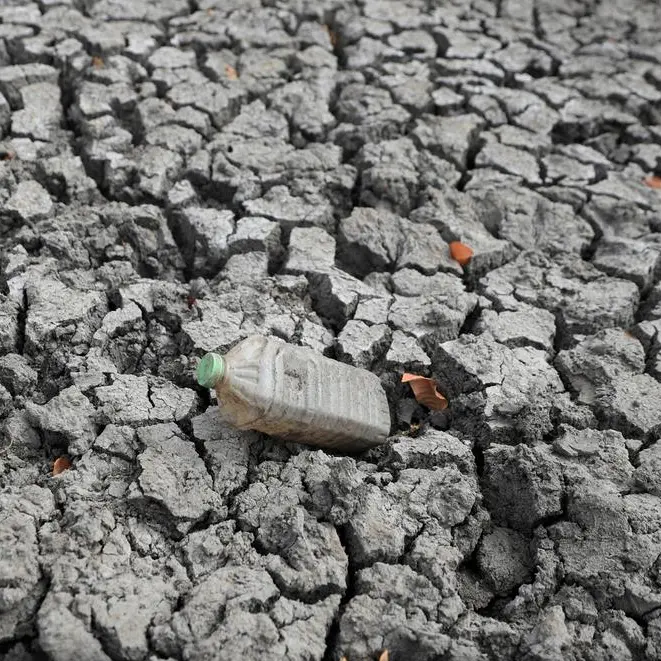
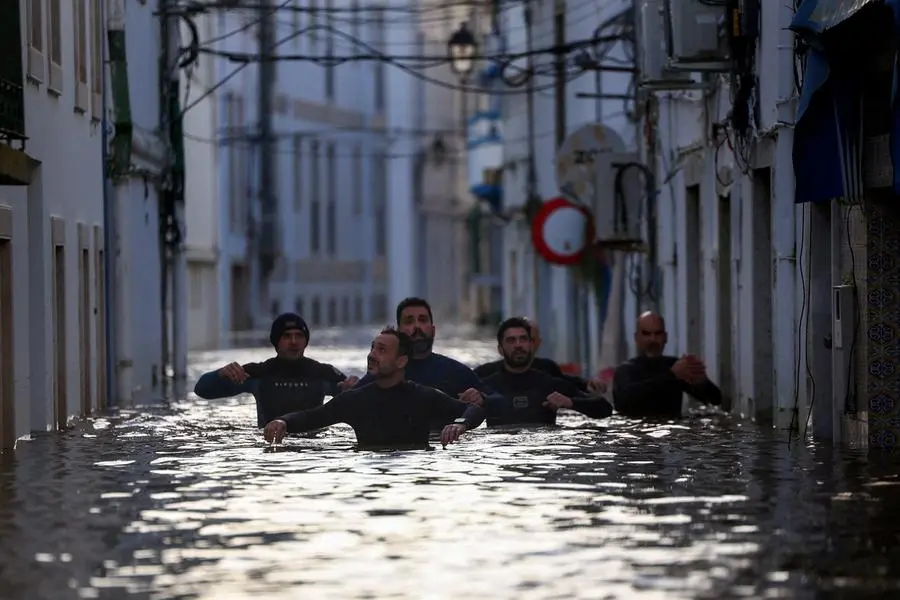
BRUSSELS: The European Union is not prepared for worsening climate change and should urgently step up its investments to protect people and infrastructure from mounting floods, wildfires and severe heatwaves, its independent advisers said on Tuesday.
Climate change has made Europe the world's fastest-warming continent, according to the World Meteorological Organization, driving more frequent and intense heatwaves, flooding, coastal destruction and storms.
The economic damage to European infrastructure and buildings from weather and climate extremes is now 45 billion euros ($53.34 billion) per year, five times higher than in the 1980s, EU data show.
While the EU has ambitious targets to cut greenhouse gases - the main cause of climate change - its efforts have fallen short on adapting to the extreme weather climate change is already fuelling, according to the EU's advisers, the European Scientific Advisory Board on Climate Change.
"It is a lack of coherence, a lack of coordination, and also a lack of budget," said the advisory board's chair, Ottmar Edenhofer.
Without stronger preparations, extreme weather will further harm the EU's competitiveness, straining public budgets and increasing security risks, the advisers said.
They recommended the EU agree to prepare, across all member states, for risks associated with 2.8 to 3.3°C of warming by 2100.
This should be used to develop policies to help people and businesses adapt, the advisers said - for example, ensuring housing is not built in flood-exposed areas, planning support for drought-hit farmers, or designing cities to help people stay cool when temperatures spike.
The average global temperature is now 1.4C higher than in pre-industrial times. Countries' latest national climate pledges, if achieved, would still lead to 2.3 - 2.5°C of global warming this century, according to the UN.
The EU advisers said another key area is investing in public early warning systems and increasing insurance coverage, for example, by considering EU-level reinsurance. Only a quarter of climate-related economic losses in the EU are currently insured.
The European Commission will propose a new strategy on "climate resilience" later this year, following weather disasters including 2023 floods in Slovenia whose reconstruction costs equalled 11% of the country's GDP, and Europe's worst wildfire season on record last year. ($1 = 0.8436 euros) (Reporting by Kate Abnett; Editing by Susan Fenton)